





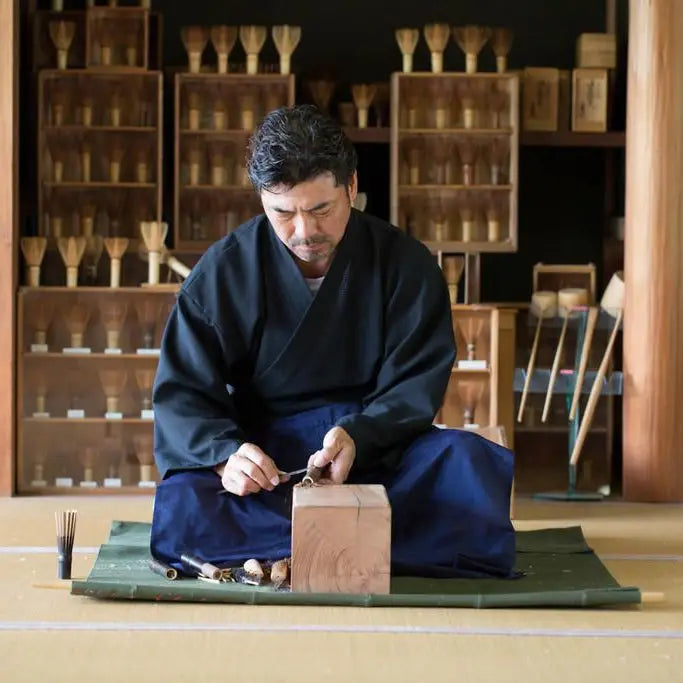
Wooden or clay objects, traditional costumes, fans... Learn more about the typical crafts of Japan and discover their ancient origins to appreciate each of these unique pieces. Discover some of the typical crafts of Japan.
The rise of typical Japanese craftsmanship began in the Edo period, marked by the relocation of the country's capital from Kyoto to Tokyo, the capital that still exists today. At that time, artisans and farmers began to gain prestige in the country thanks to the commercial boom.
Japanese artisans began to improve their techniques, such as engraving using urushi, or lacquer. Artistic expressions like Ukiyo-e paintings were also created, and they began working with textiles, ceramics, and wood. All these crafts are still preserved today and are among the main souvenirs purchased by tourists.
Traditional Japanese pottery and ceramics
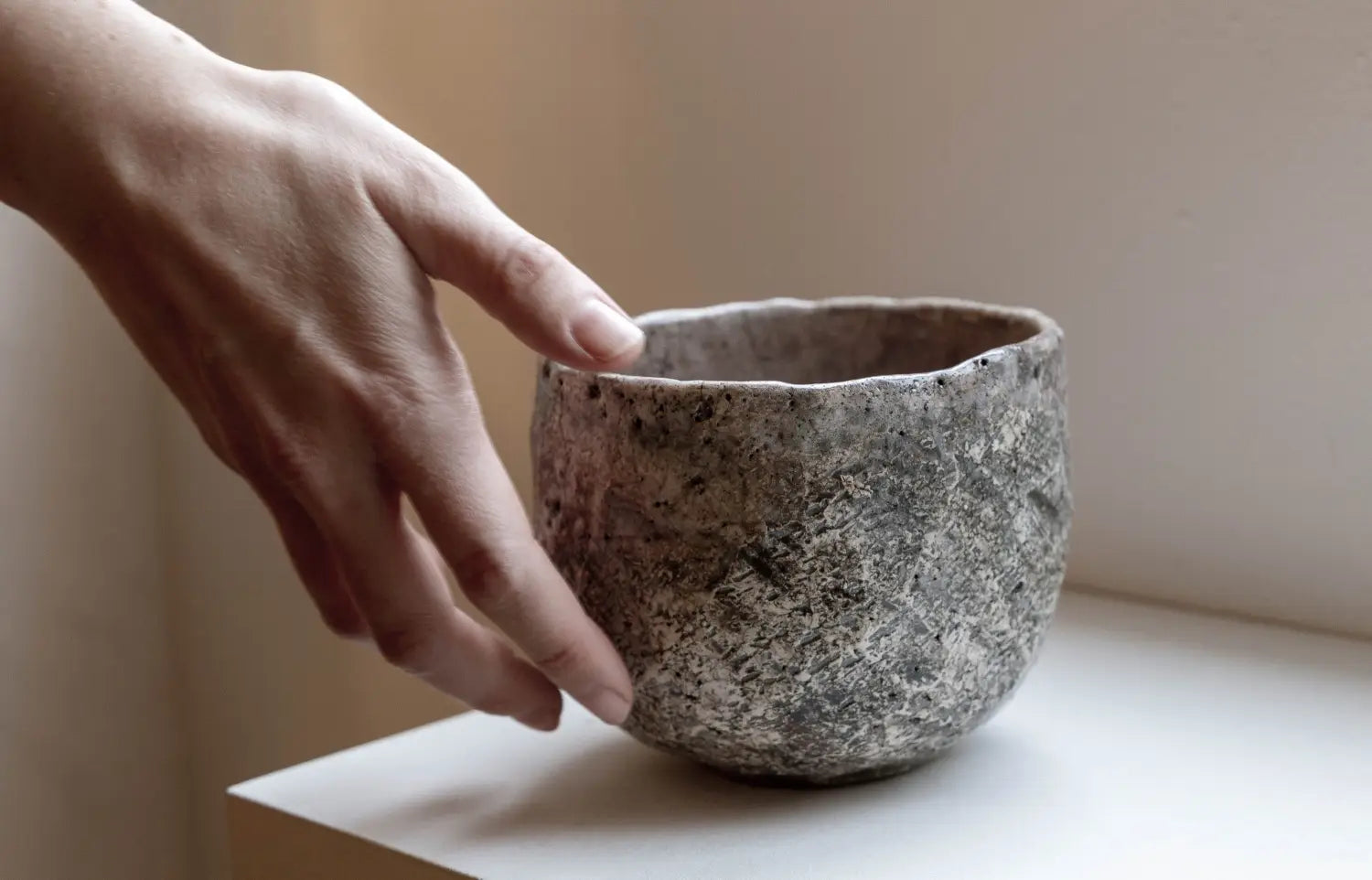
The beginnings of Japanese ceramics date back to the Jōmon period, more than a thousand years ago. As shocking as it may seem, the technique for creating these typically Japanese craft objects has been maintained to this day. One of the main values of Japanese aesthetics is objects that appear unfinished and retain the essence of the person who made them. That is why no two pottery pieces are identical.
How are Japanese pottery pieces made?
One of the most used materials for making these objects is clay, a material found in all regions of Japan. Usually, other materials such as stones and crystals are added to the clay, which give shape to the piece after slow firing to create a solid but elegant object.
In the case of porcelain, a clay base is also used to which materials such as quartz and feldspar are added. Thanks to this, a solid product is obtained despite its thinness. All these pieces are decorated with drawings, engravings, and brush marks made by hand, among other techniques.
How are these pottery pieces decorated?
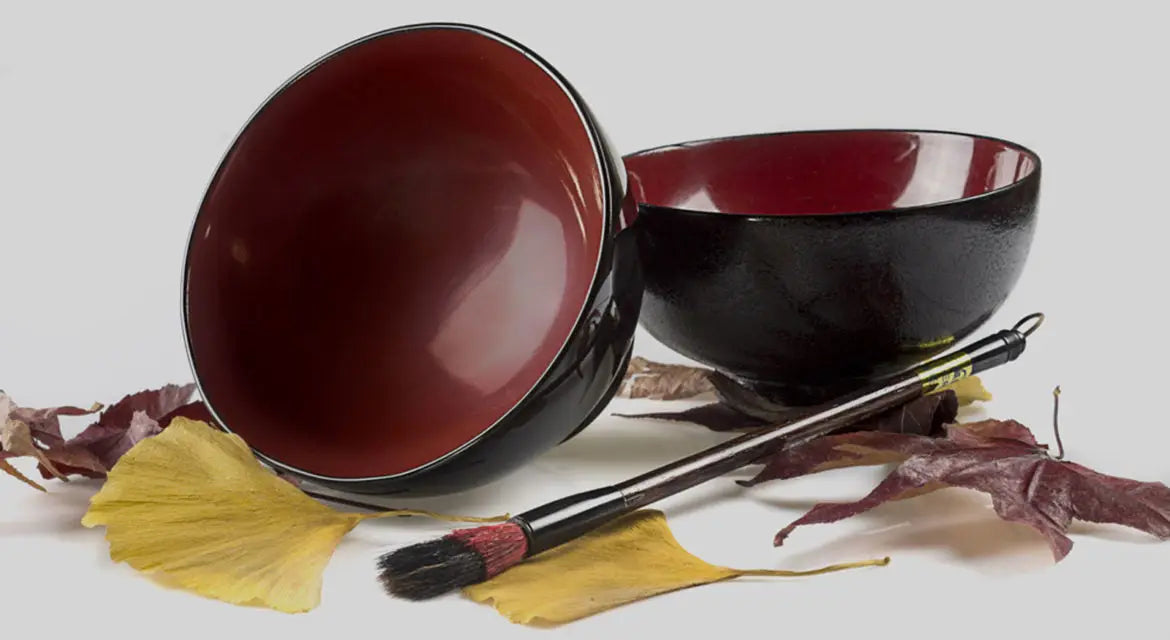
The Japanese lacquer technique called urushi deserves special mention. Lacquer is extracted from the sap of Toxicodendron vernicifluum, also called the lacquer tree, after it blooms. The final product is enriched with other materials and colored with different pigments. Urushi pieces are beautiful and highly appreciated both in the country and abroad.
Japanese wood artisans
Another large group of typical Japanese crafts is wooden objects. Among them, we find a wide variety of typical products that we can acquire during a stay in the Land of the Rising Sun.
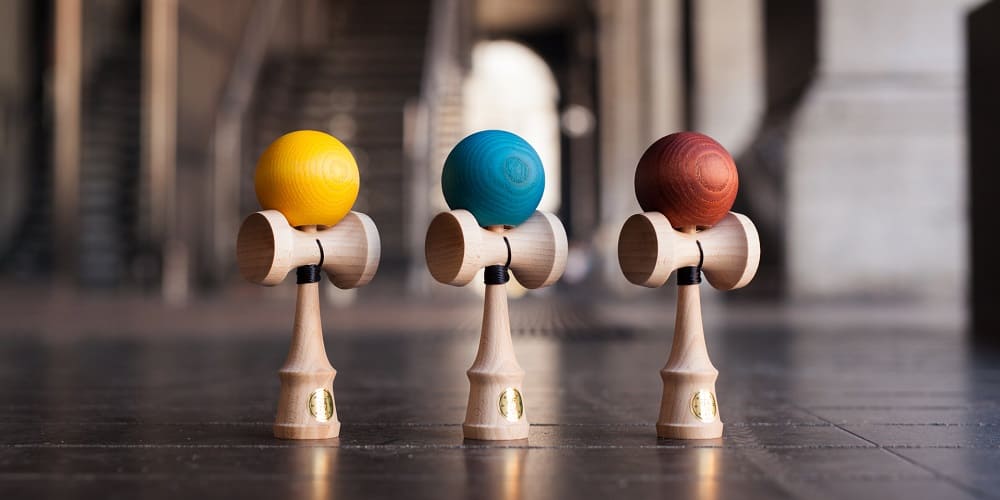
Japanese wooden carved toys are still used. One of the most famous is the kendama, which consists of a ball attached to a hammer-shaped handle. The game consists of moving the ball so that it is placed in the hole created as a support. Besides kendama, there are kokeshi, wooden-bodied dolls with which young Japanese girls used to play.
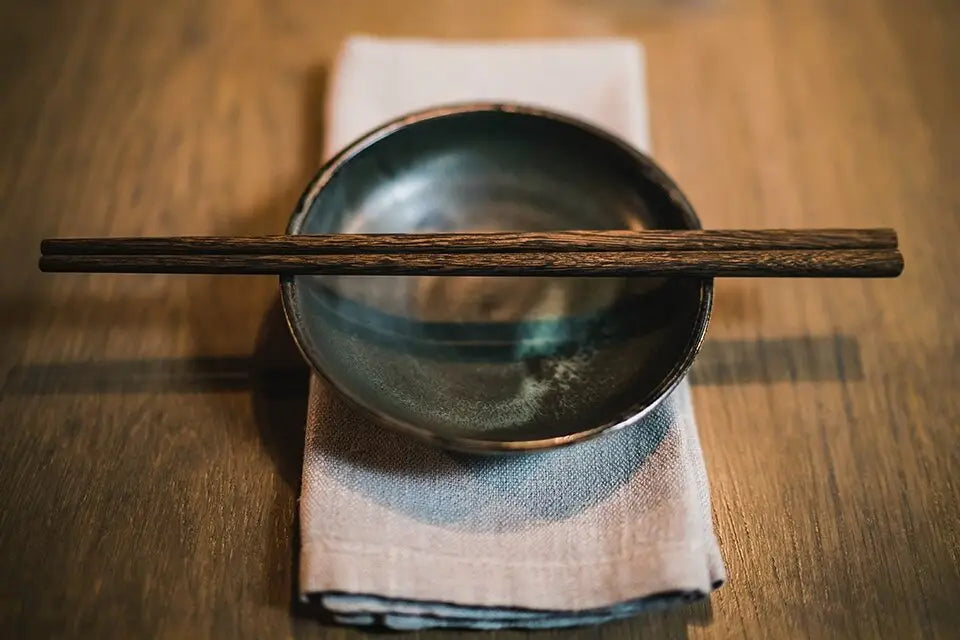
Also made of wood are the ohashi, the famous Japanese chopsticks, which offer a wide range of patterns for all tastes. Other typical wooden objects are daruma, which are used to make wishes, and traditional Japanese masks.
The art of sewing in Japan
Among the typical Japanese crafts related to clothing, there is Yonaguni-orimono, fabrics produced on an island southwest of the Japanese archipelago. Considered a traditional craft by the country's government since 1987, it still retains its manufacturing methods and its characteristic small flowers as well as a striped fabric pattern.
Kimono
The kimono, one of Japan's most classic garments, is also a must. This traditional Japanese robe, for men and women of all ages, is made using traditional techniques and fine materials such as silk. There is also a lighter version known as the yukata. They are still worn regularly, not just during festivals.
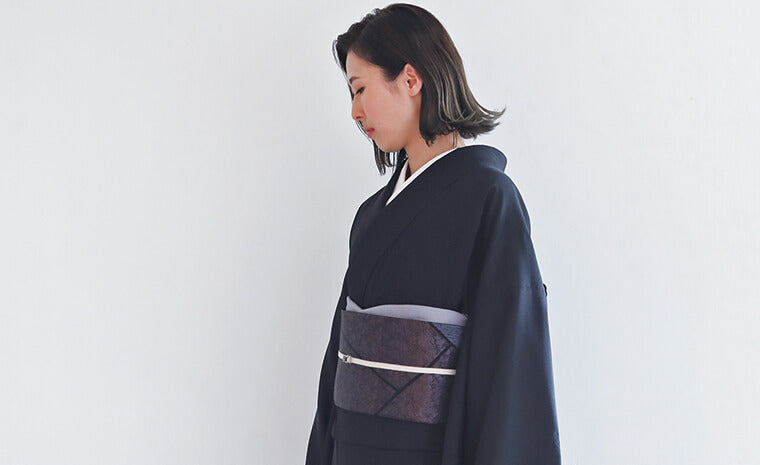
Kimonos made with traditional techniques and noble materials are considered true works of art. Kimono making evolved until the 16th century, when the taste for silk became fashionable among samurai and merchants. The high-quality brocade produced by artisans is characterized by the abundant use of gold and silver for flower and bird motifs, and by traditional geometric patterns.
Other Japanese craft specialties
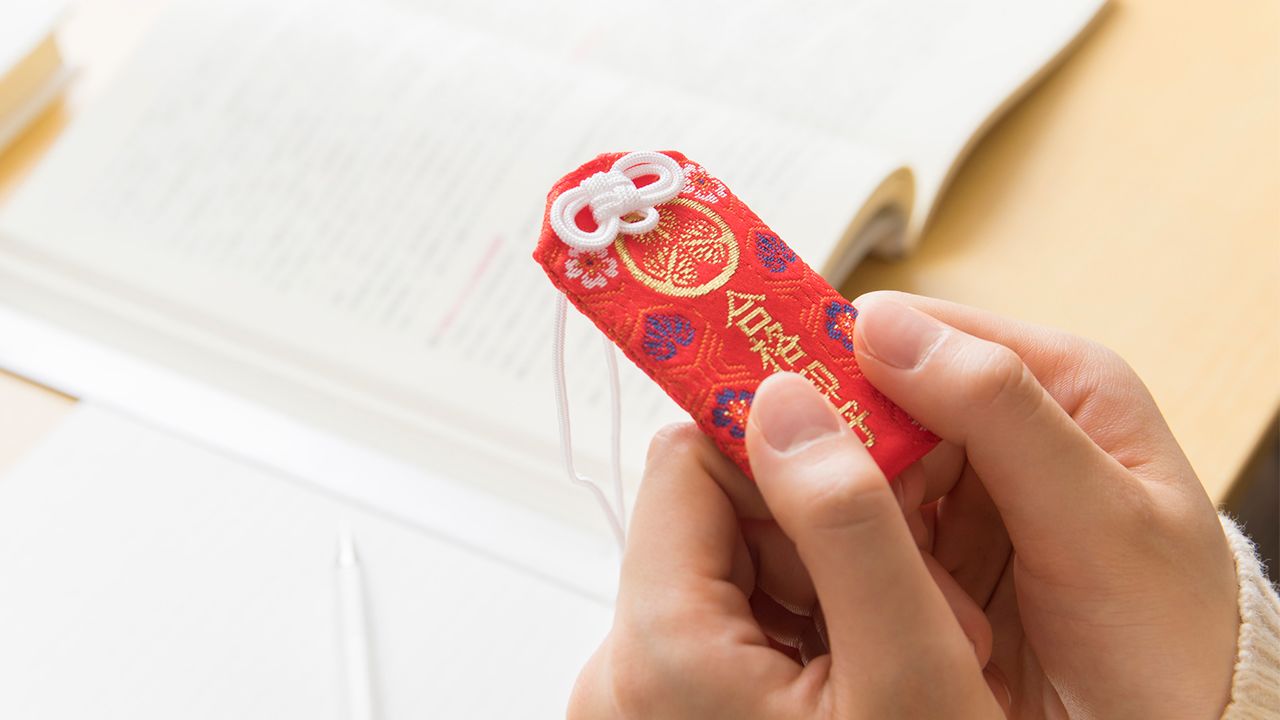
Other typical Japanese objects made with fabric are omamori amulets, which are sold in temples and shrines. Also known are Japanese silk scarves, which offer a wide variety of patterns and are used to decorate the obi or belt that holds the kimono or yukata, as well as to tie the sleeves.
Our craft, T-Lab POLE POLE
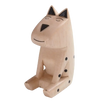
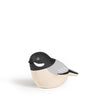
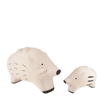
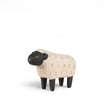
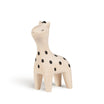
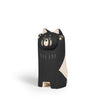
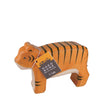
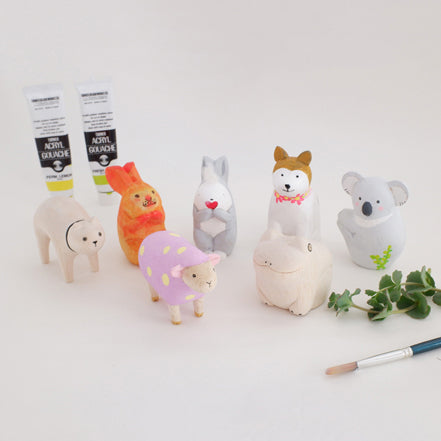
For our small wooden sculptures, we also work with specialized artisans. For ecological and logical reasons, we manufacture our products in Indonesia, but always with the quality and rigor of the past.

Each piece is handmade, the environmentally friendly paint contains no chemicals. If you are close to nature and conscientious about your choice of objects and decoration, then our creations are made for you.
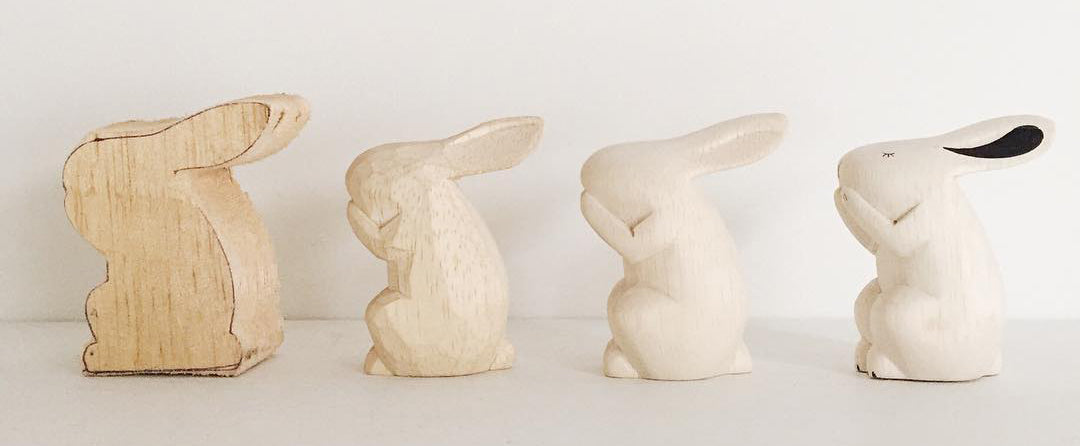
Find our 3 collections Pole Pole, Oyako and Dinosaurs. A minimalist decoration, 100% solid wood to give a relaxing and peaceful atmosphere in your living room or bedroom.
If you want more information about our way of working and our ethics, here is what you need: T-Lab Pole Pole "Our Ethics". Also, through this blog, we try to highlight our creations as well as culture, decoration, and ecology. Feel free to share our brand around you and on your social networks. Finally, tell us in the comments what you would like to know about Japan.

Leave a comment
All comments are moderated before being published.
This site is protected by hCaptcha and the hCaptcha Privacy Policy and Terms of Service apply.