



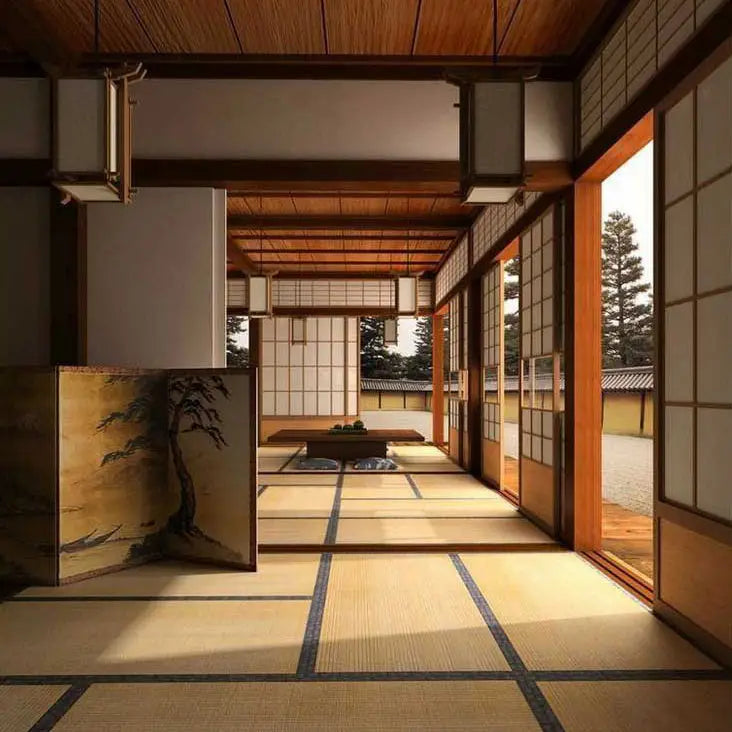
A traditional Japanese house has elements that enchant with their meaning, beauty, and functionality. These features directly influence how it is connected to the environment. One example is Genkan, the space where every person entering the house must leave their shoes.
But there are other curiosities of a Japanese house that can serve as inspiration for your next projects. Want to know what they are? In today's post, we separate all the amazing features of a Japanese house. Keep up the pace!
Produits
The Japanese house: an inspiration that never goes out of style
Japanese architecture enchants with its simplicity and meaningful elements. Traditional houses are called Minka (民家), which literally means "house of the people." The style was born in the Edo period and the appearance varies greatly from one region to another.
These residences have Japanese-style rooms, called Washitsu (和室). Some elements found in Japanese houses can be used even in environments that do not have an oriental theme in decoration, such as Shōji, Genkan, and Tatami. They are ideal for small spaces or people who want a minimalist design. Below, discover other features of a Japanese house.
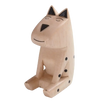
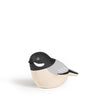
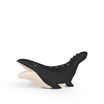
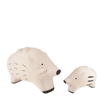
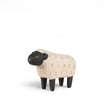
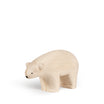
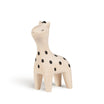
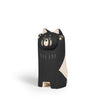
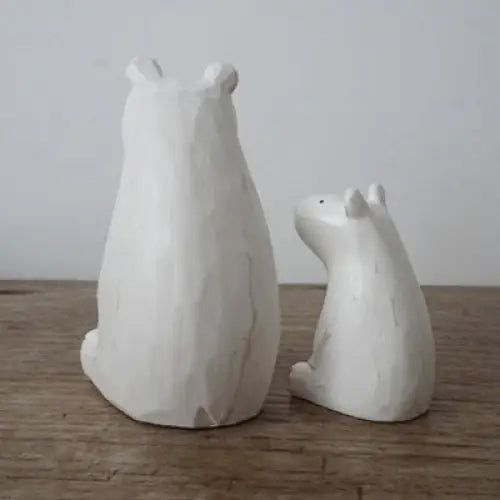
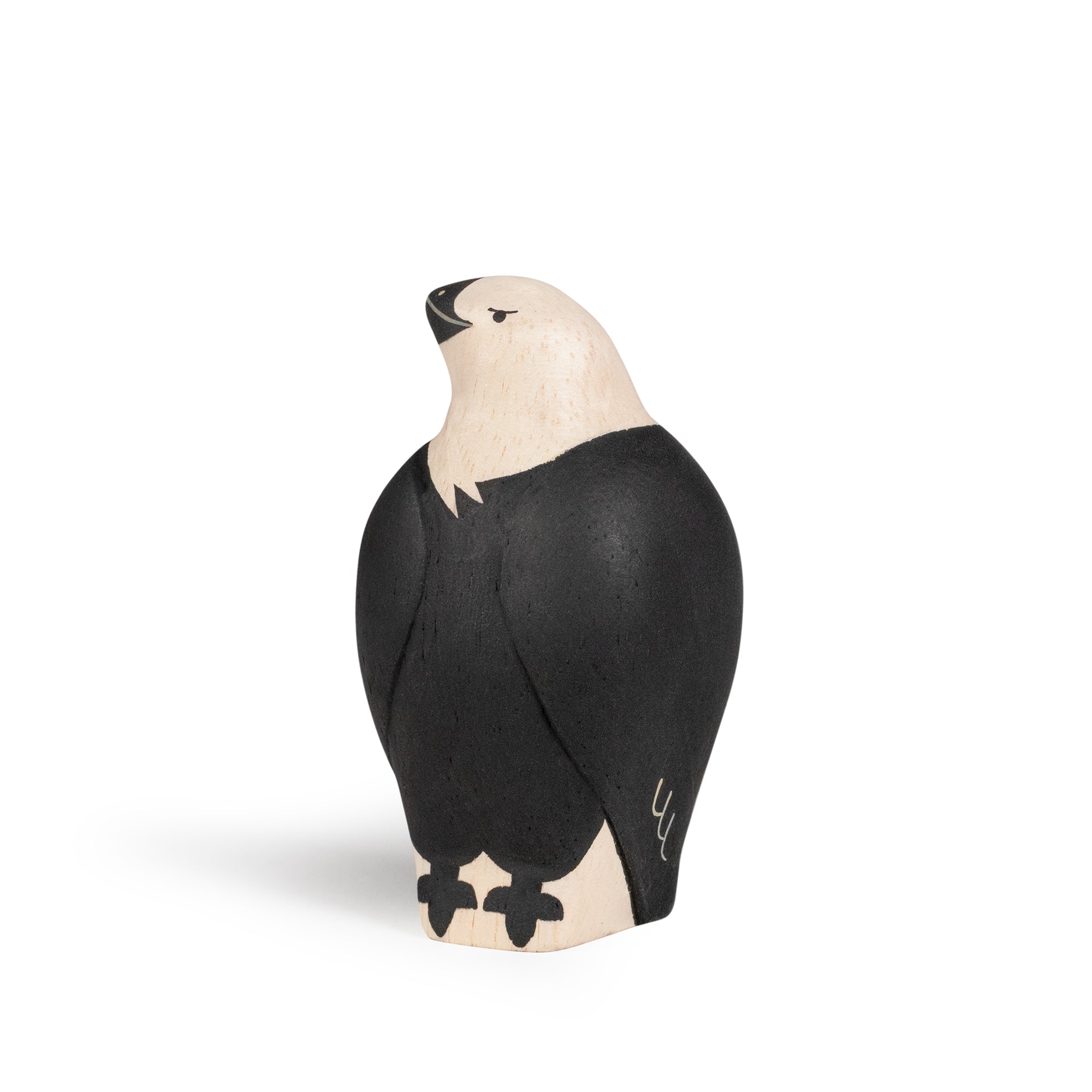
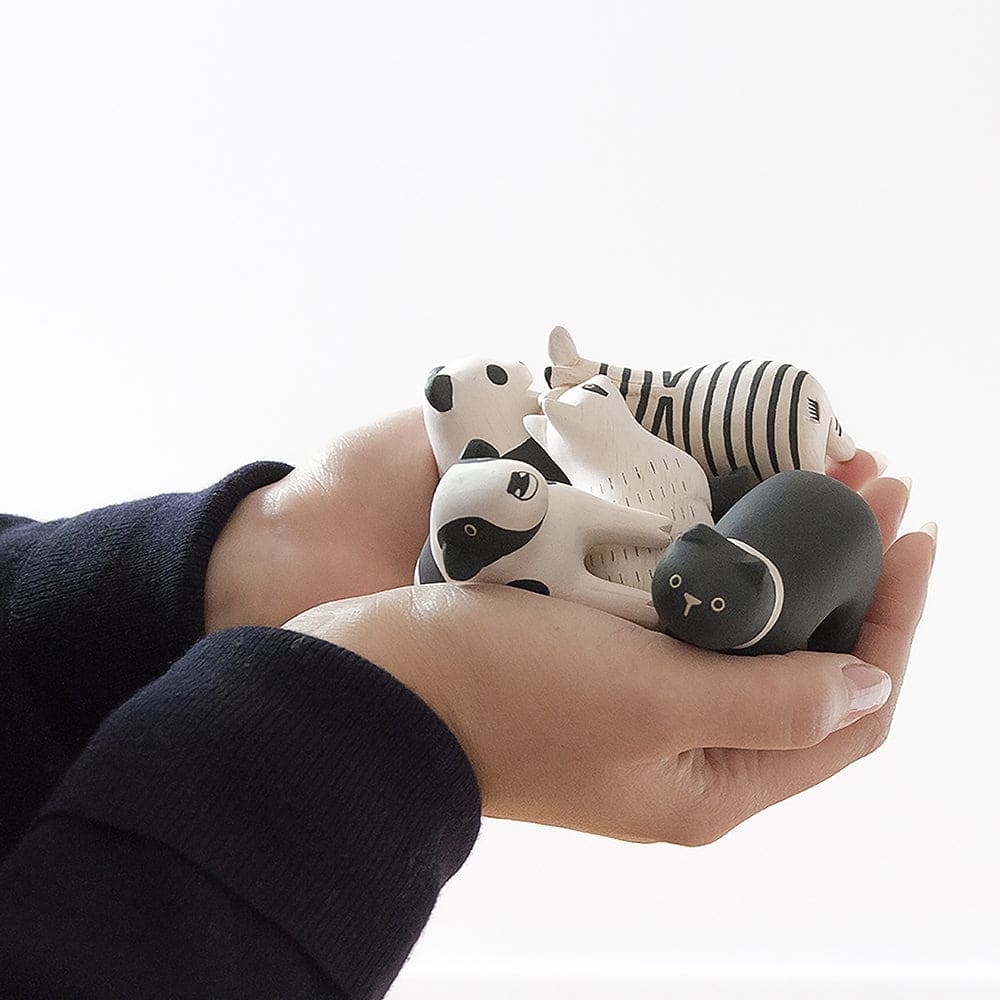
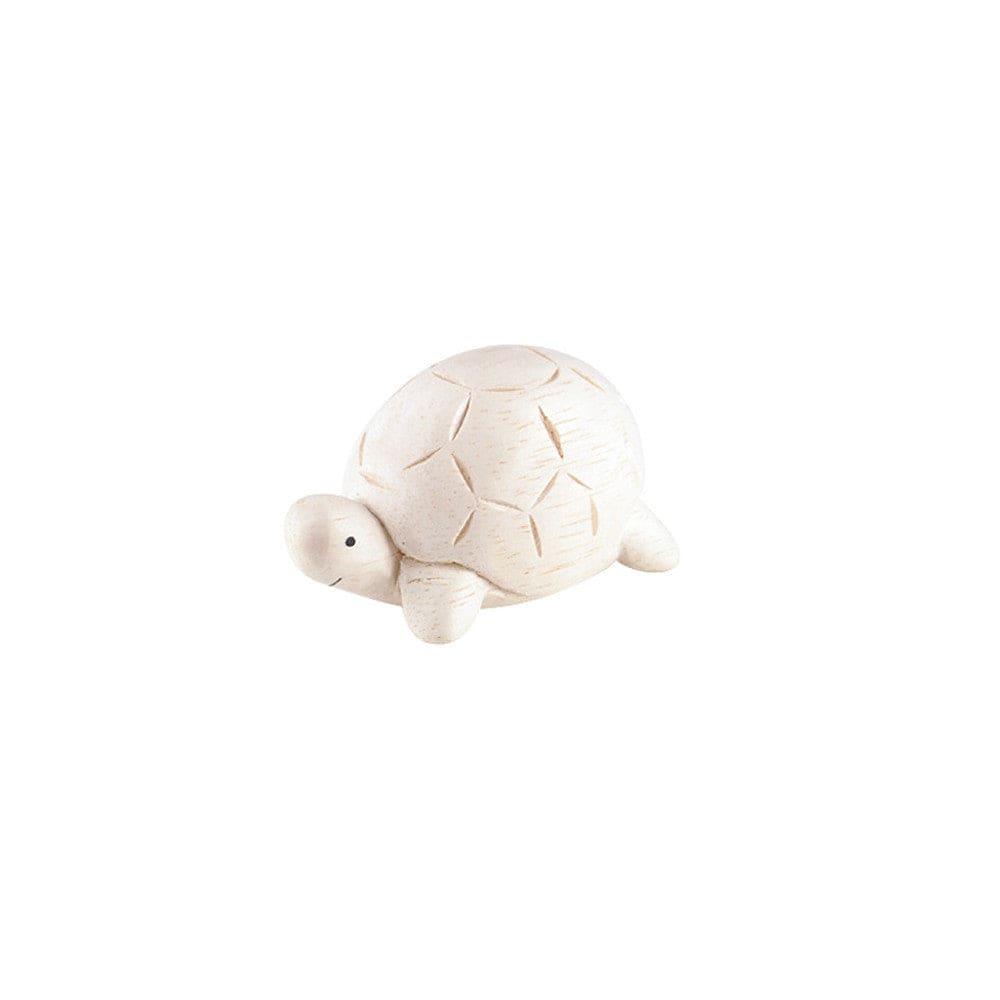
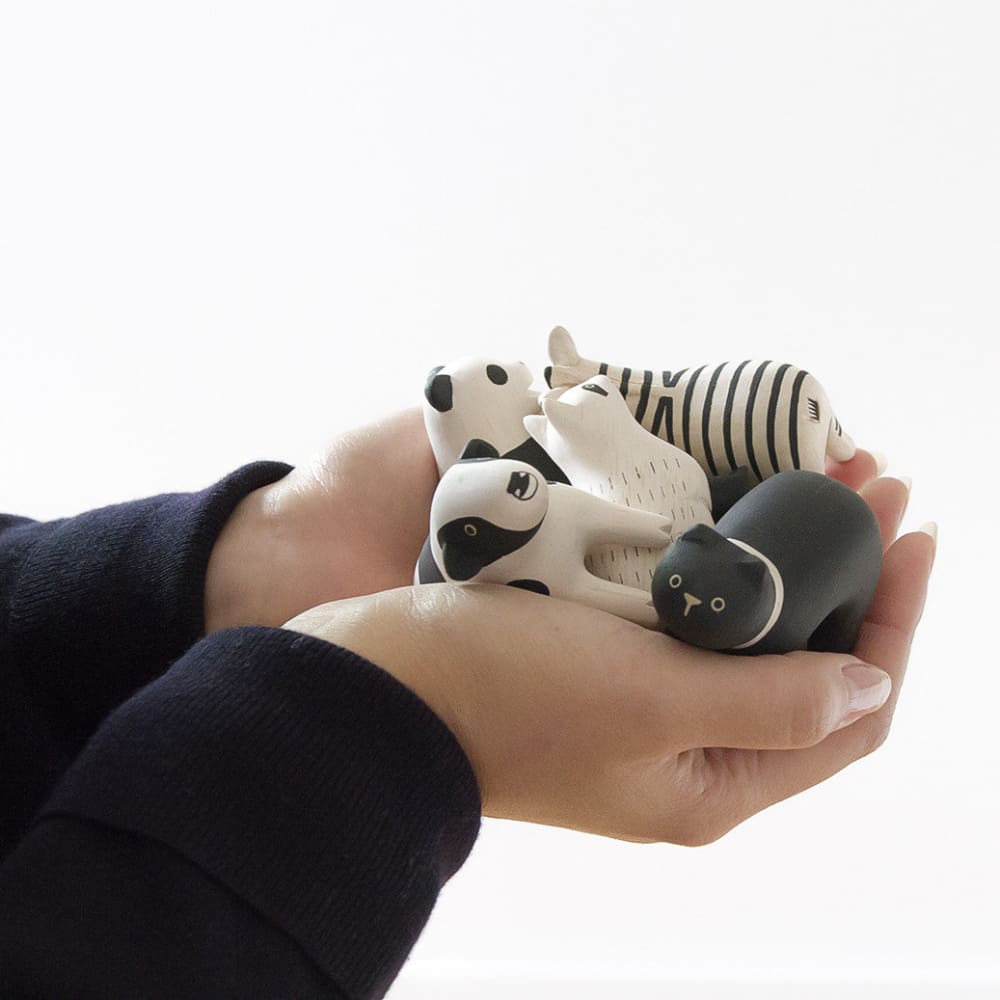
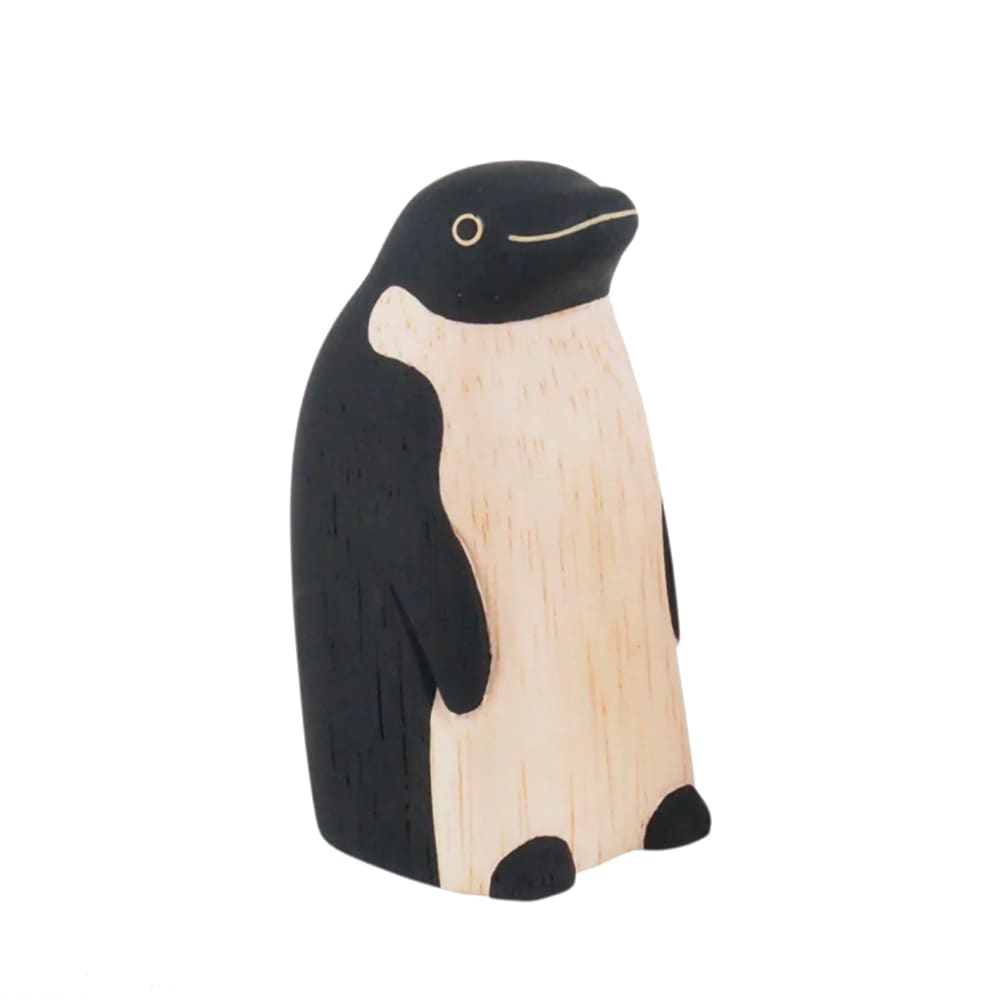
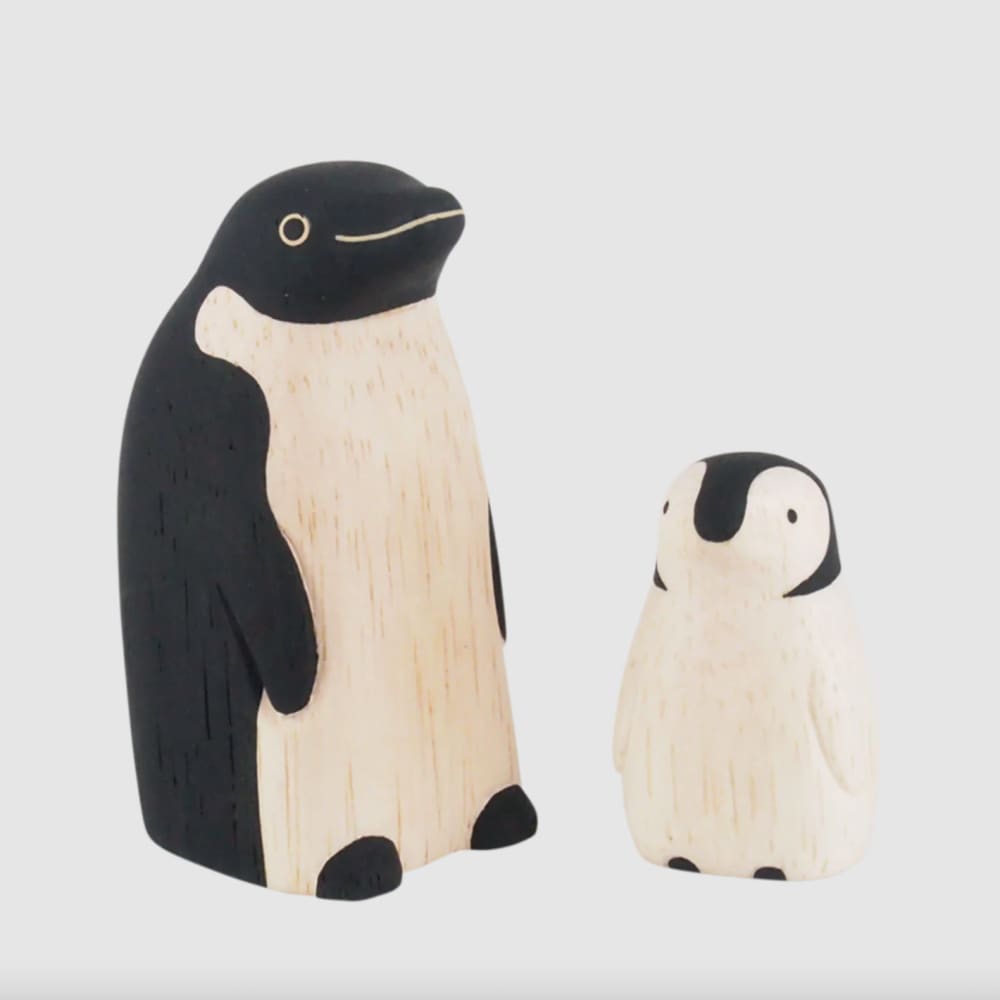
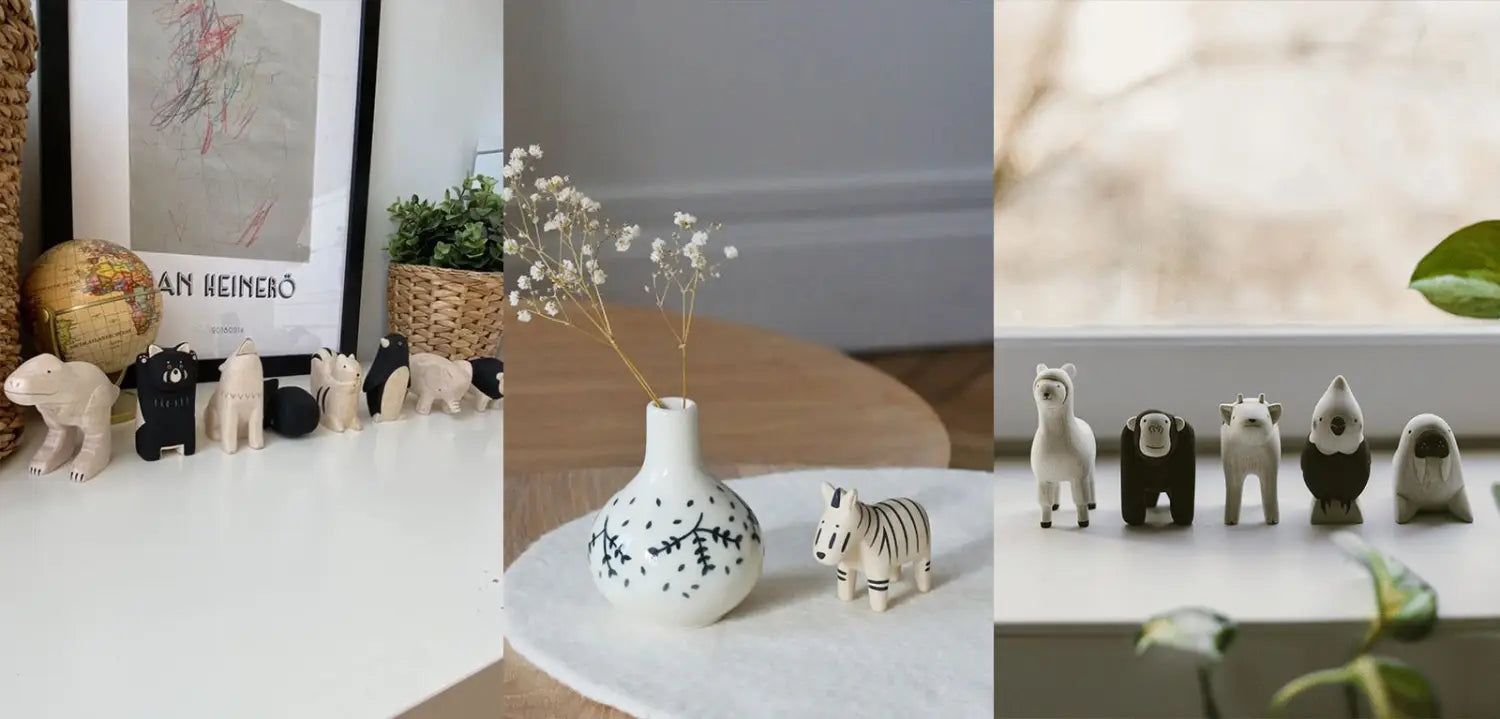
Do you know the handmade Japanese wooden animals from T-lab?
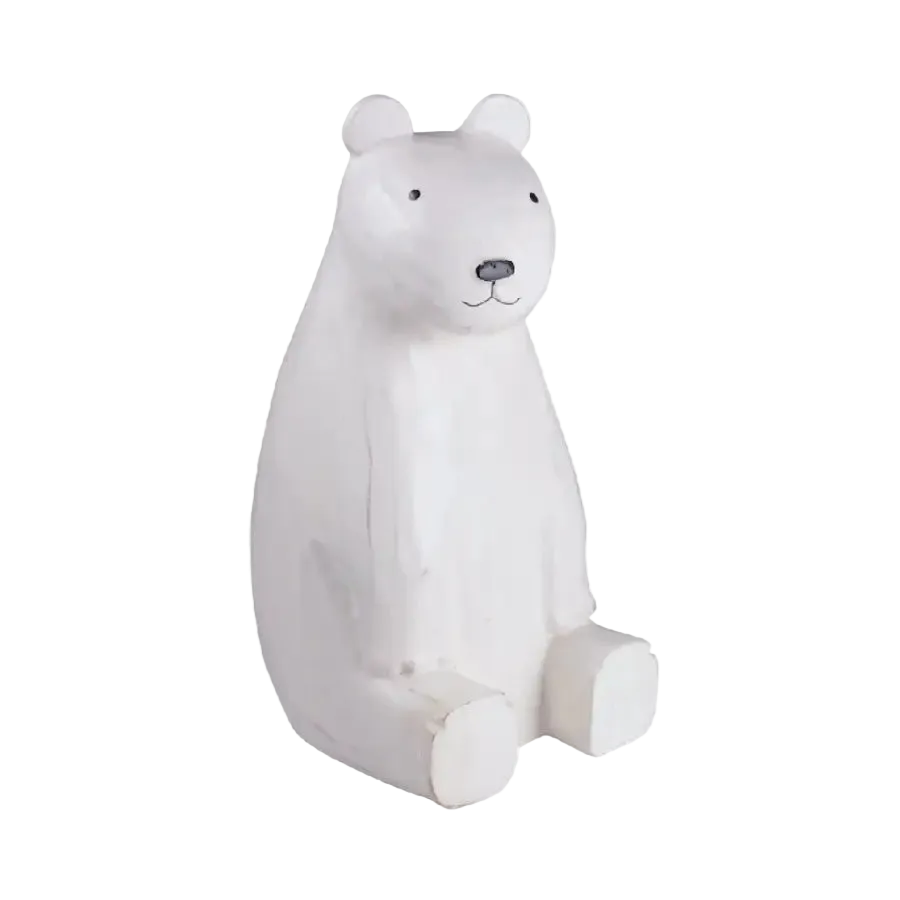
A simple way to decorate your interior by giving a touch of Japan. Our figurines, meticulously carved by our artisans, follow the Japanese design style with a touch of softness. You will find plenty of wooden animals in a minimalist style.
Discover the PolePole collection now!
The essential features of a traditional Japanese house
Wood
Let's start our list of features of a traditional Japanese house by talking about the material that is unanimously favored among them: wood.
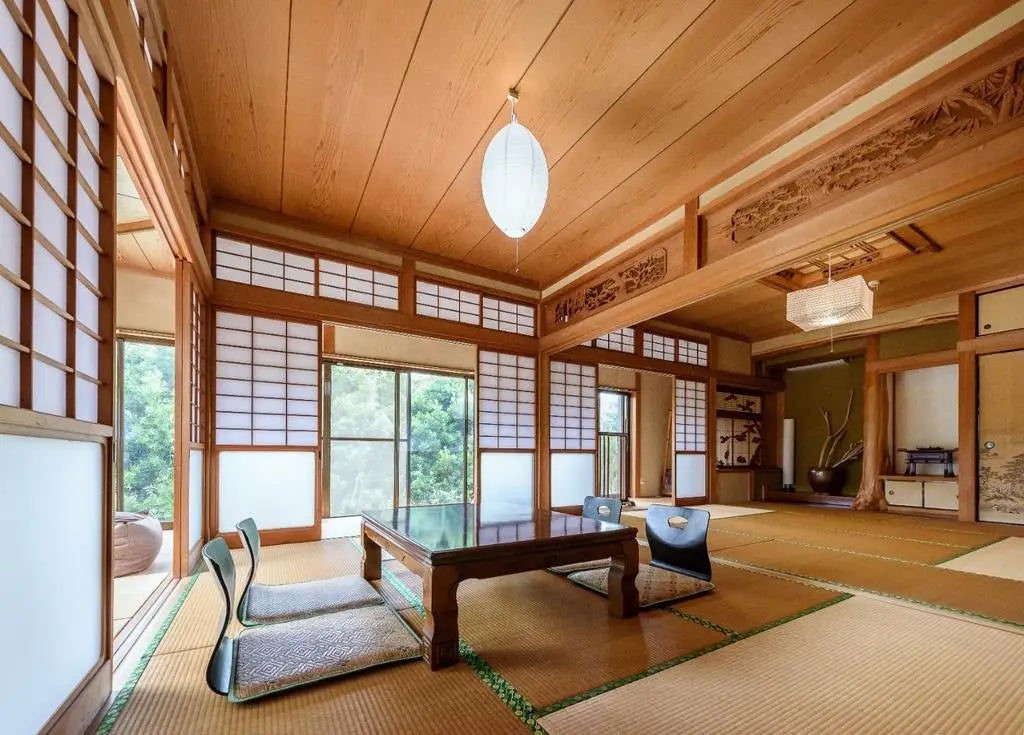
The Japanese appreciate this material because of several characteristics, such as good thermal comfort and safety, as the country is very sensitive to earthquakes. Wood appears in a Japanese house in cabinet coverings, floors, outdoor spaces, furniture structure, coverings, and the creation of environments.
Fusuma
The Fusuma (襖) is a type of sliding panel that functions as a door, a partition, or a wall in a Japanese house. It is framed in wood and has a layer of paper or fabric on both sides.

Its most common use was for interior walls or closing Japanese household cabinets. This material is usually decorated with paintings related to nature, animals, mythology, or calligraphy.
Shōji
You may have heard of Japanese houses with paper walls, right? Well, this is such an interesting aspect that we will talk about now. Shōji is one of the most common elements in a traditional Japanese house. It is a panel or a sliding door made with translucent paper framed in a wooden frame.
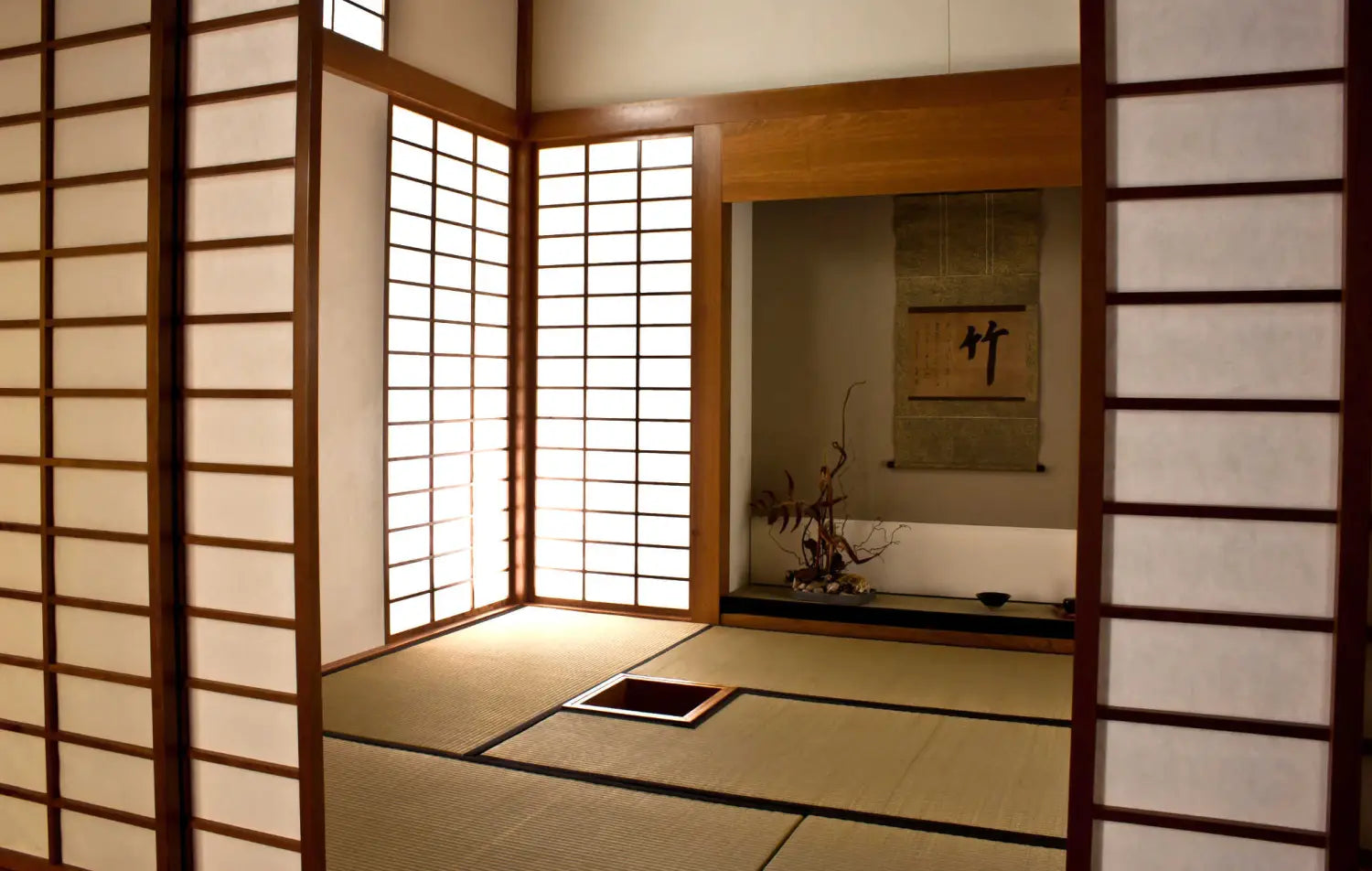
When glass did not yet exist, this material was used for fencing because it allowed sunlight to enter the Japanese house. You might wonder what the difference is between Shōji and Fusuma. Basically, the latter was rather used to close cabinets and the paper was decorated.
On the other hand, Shōji always has a smooth appearance and is used in the doors and partitions of Japanese houses. Japanese houses with this paper wall have flexible environments. It is very easy to slide or even remove the interior doors, allowing you to quickly change the environment.
Genkan
Many people know that one of the most famous traditions in a Japanese house is to not enter with shoes on. But do you know where people leave their shoes?
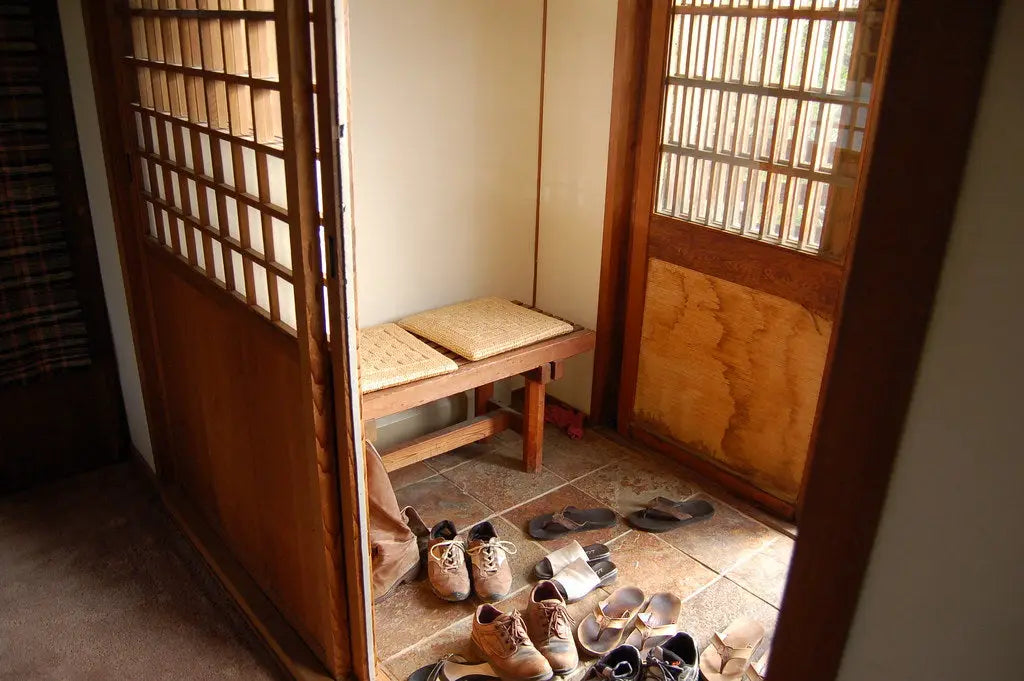
The Genkan (玄関) is a place located at the entrance of the Japanese house. Situated below the main entrance, it is where people usually take off their shoes to move around inside the Japanese house.
The tradition is to always leave your shoes facing the door. Then, put on the "suripa", a kind of slipper that must be worn inside the Japanese house. Shoes and slippers simply cannot be used on the Tatami, and that is what we will talk about in the next topic.
Tatami
The Tatami (畳) is the traditional flooring of a Japanese home. Used since the Muromachi period, it is a mat made from a specific plant called tatamigusa, mainly used to cover the floors of washitsu (traditional Japanese rooms).
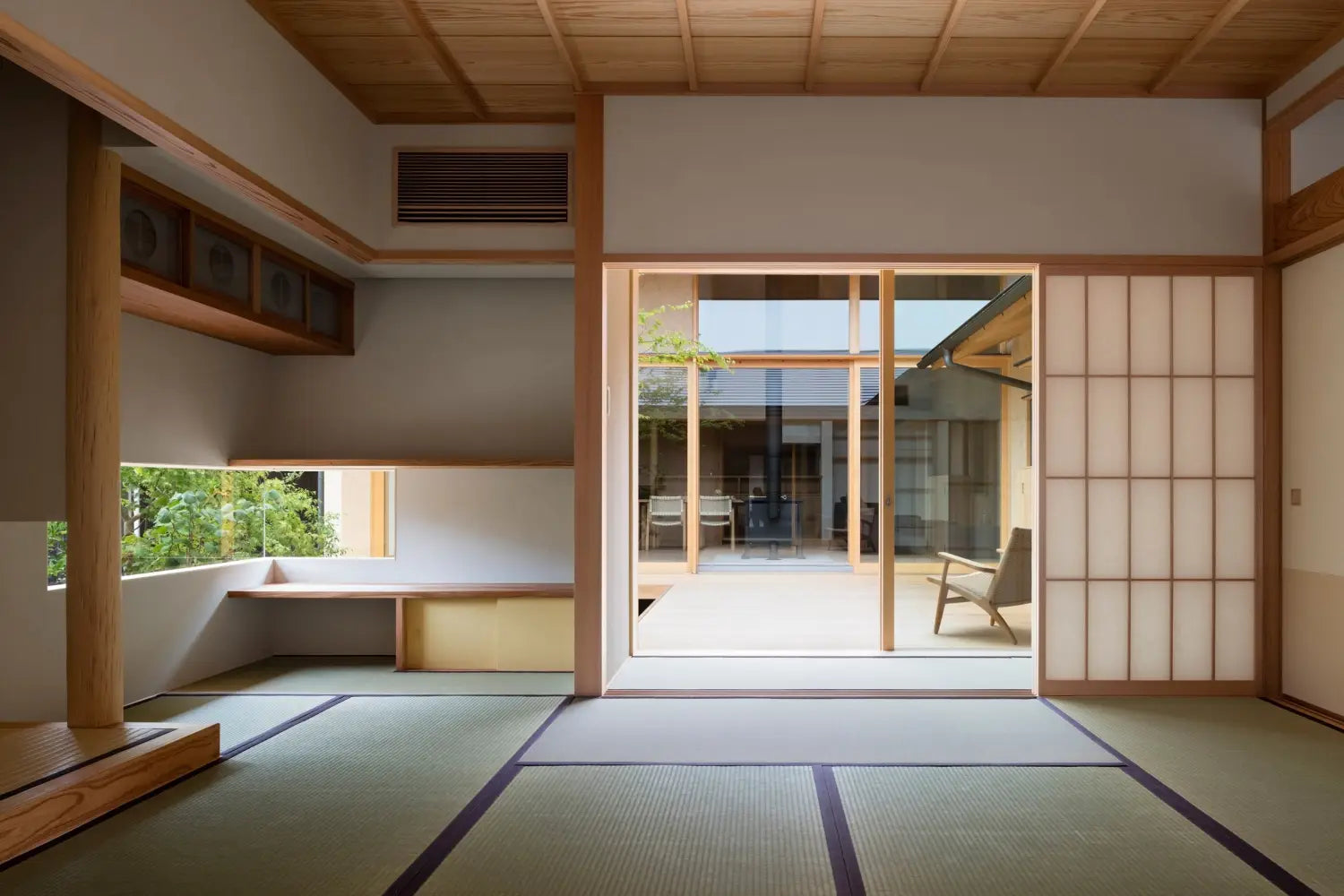
Its edges are lined with embroidered fabric. The size of a standard tatami is 910 mm x 1820 mm, but there are other sizes. This item is so traditional in Japanese homes that it has even become a reference for measuring rooms. Yes, in Japan, rooms are measured in Tatami mats.
For example, if someone says a room in a Japanese house has 8 tatamis, they can already get a real idea of its size. The tatami used for sports is different from the lining in Japanese homes. Called Judo Tatami (柔道畳), it is more shock-resistant and has specific dimensions for martial arts.
Chabudai
The furniture in a Japanese home enchants with its simplicity and beauty, doesn't it? The Chabudai (茶ぶ台, ちゃぶだい) is this wooden table with short legs used for meals in Japanese homes.
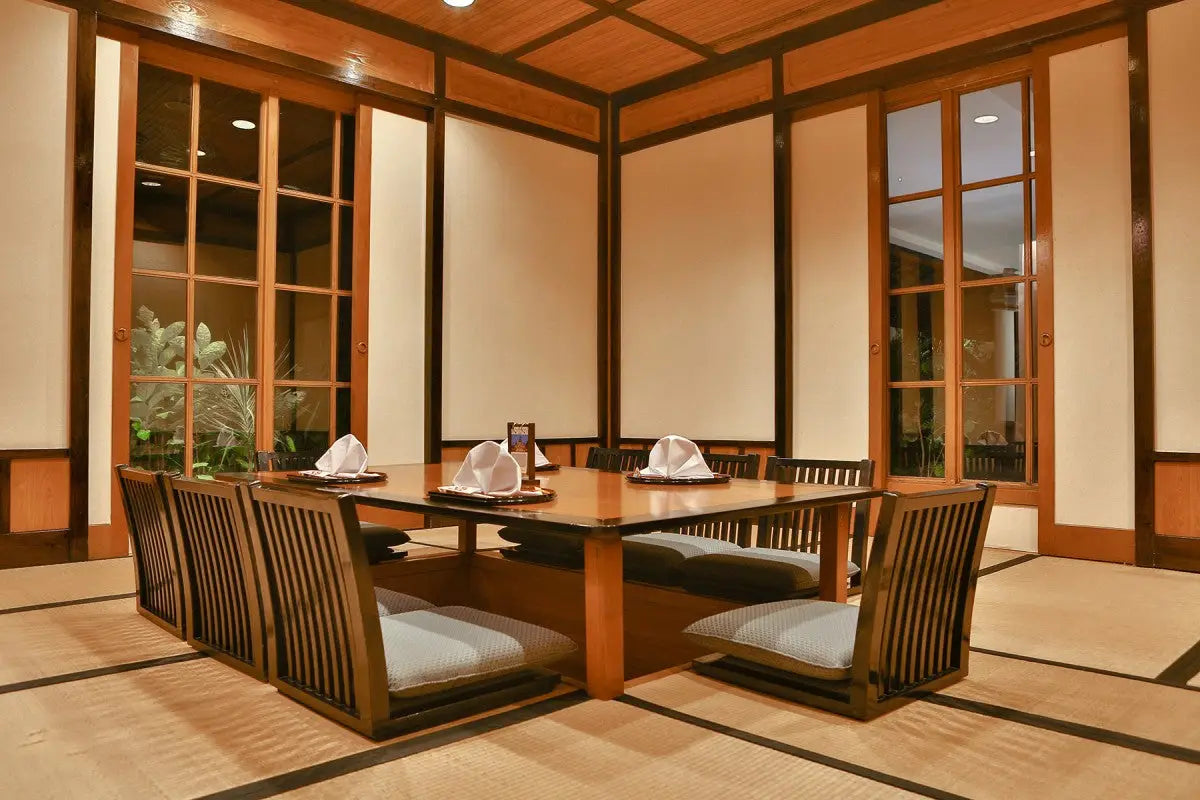
Its height can vary from 15 to 30 cm (the more modern ones are generally larger). The most commonly used woods are pine, cedar, and chestnut, among other typical Japanese trees.
It can come in up to 4 shapes: circular, oval, square, and rectangular. Some are even foldable, a fine example of creative woodworking. People usually sit around the Chabudai using the Zabuton, a traditional Japanese cushion.
Kotatsu
Kotatsu (炬燵, コタツ) is a low table with built-in heating underneath and a thick blanket on top. The idea is that you place your legs or your whole body under the Kotatsu, keeping warm inside the Japanese home.
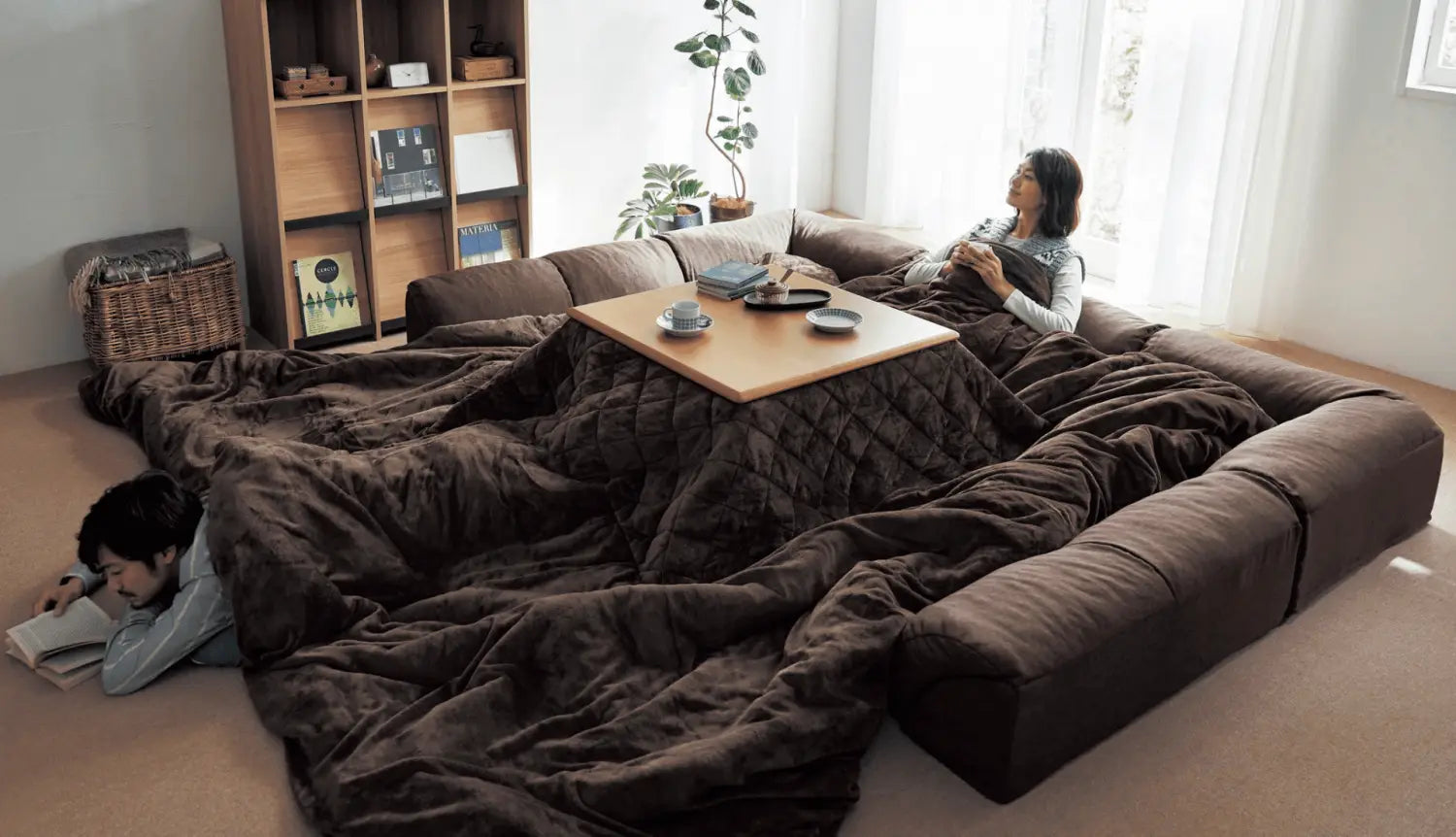
Since most Japanese houses have little thermal insulation in their structure, Kotatsu has become an interesting option for colder days. This cozy item found in Japanese homes has its origins in the 14th century and is a kind of modern version of the Iroris, which we will learn about next.
Irori
The Irori (囲炉裏, いろり) is a type of traditional Japanese fireplace that is dug into the floor. Below it is a hook hanging from the ceiling that can be used to suspend pots or kettles over the fire.
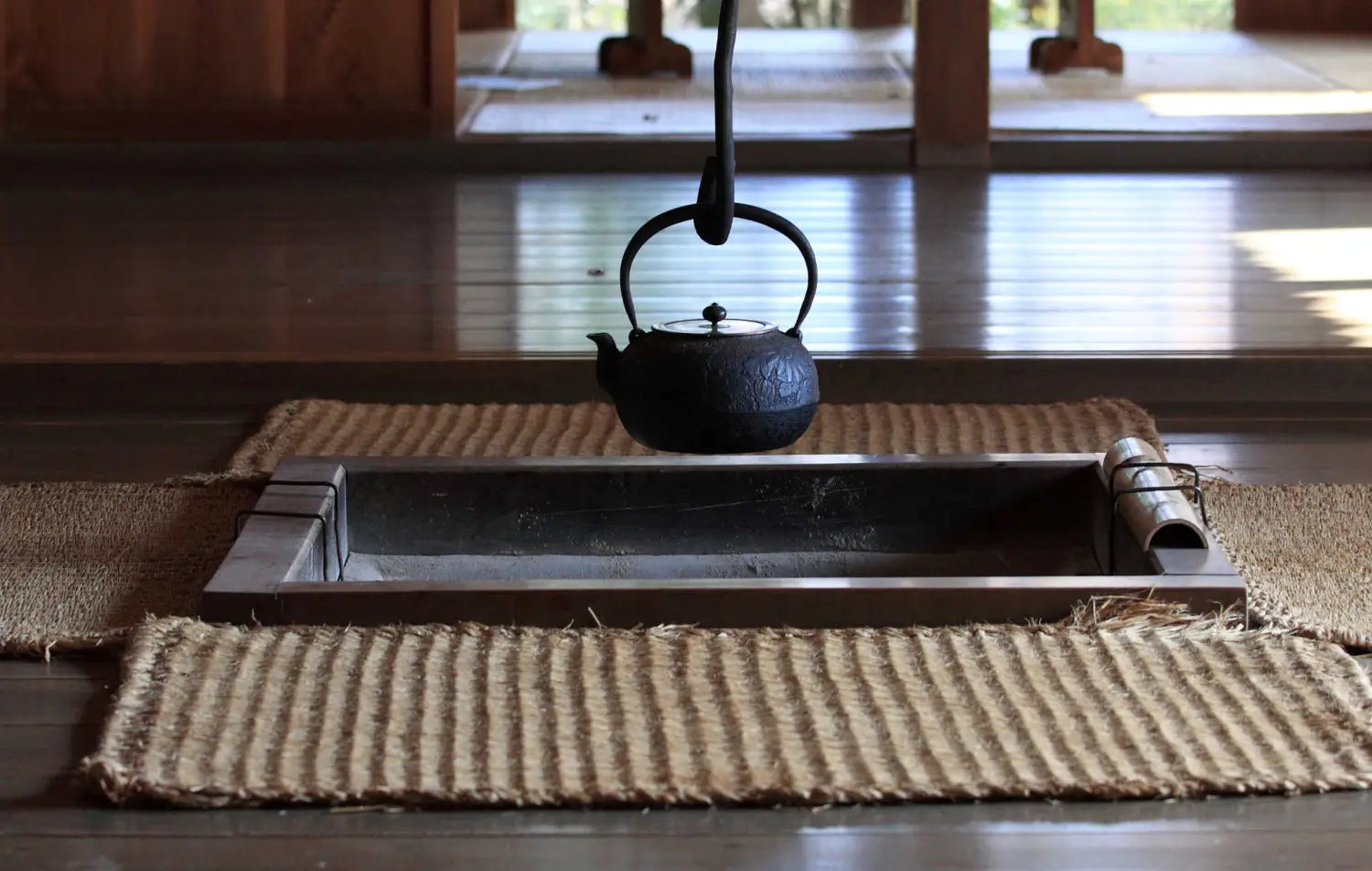
This element is increasingly rare in modern Japanese houses, but it can be admired in historic buildings or old houses.
Tokonoma
Did you know that a Japanese house has a space specially reserved for decoration? It is the Tokonoma (床の間), a slightly raised area recessed into the wall.
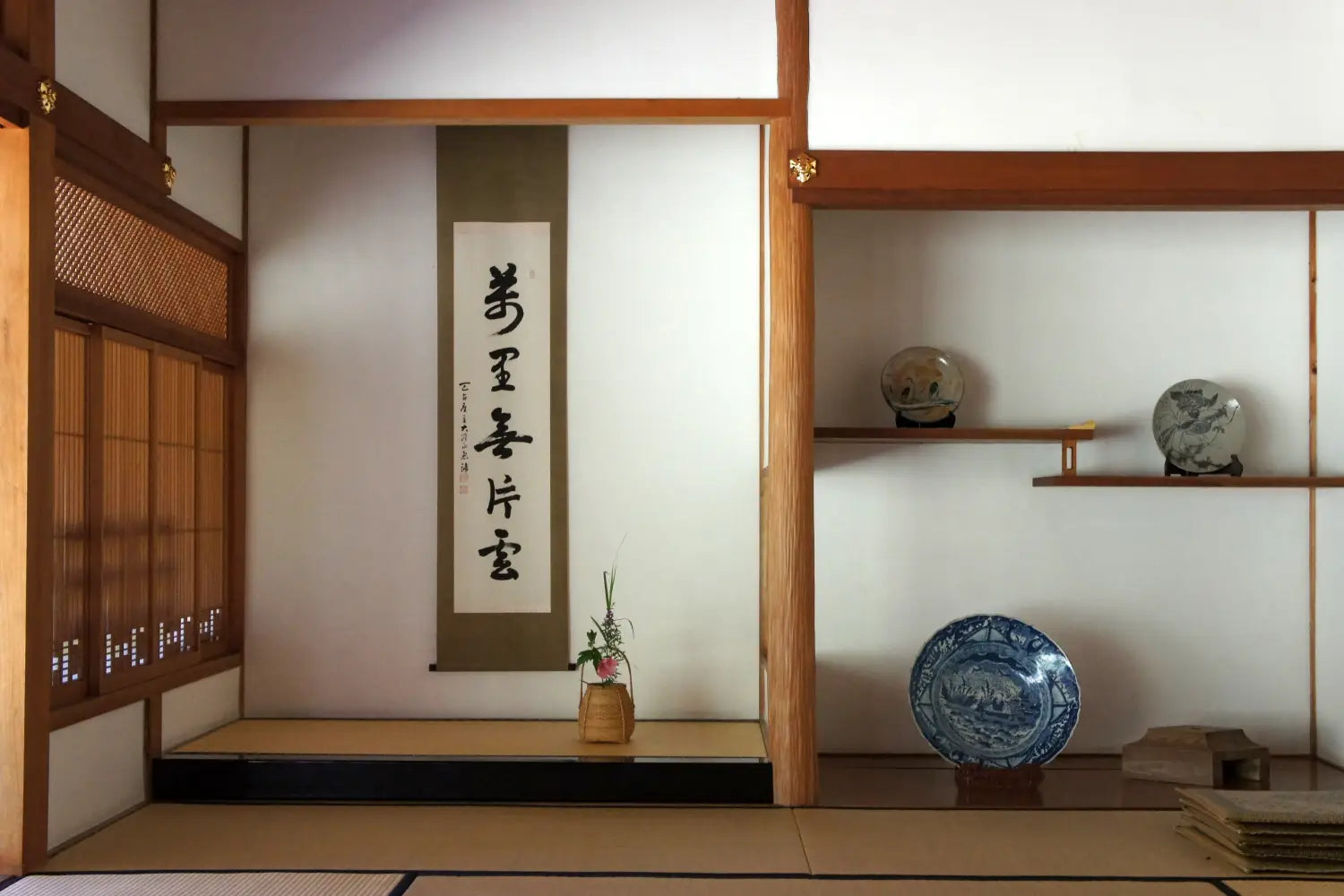
In this place, the inhabitant of the Japanese house usually places artworks or other objects such as shodo, the scroll, the bonsai, the okimono, or the ikebana.
Engawa
The Engawa (縁側, えんがわ) is an outer corridor that runs along the Japanese house, like a balcony. It is a transition area to the interior zone of the Japanese house, as well as protection against sun and rain.
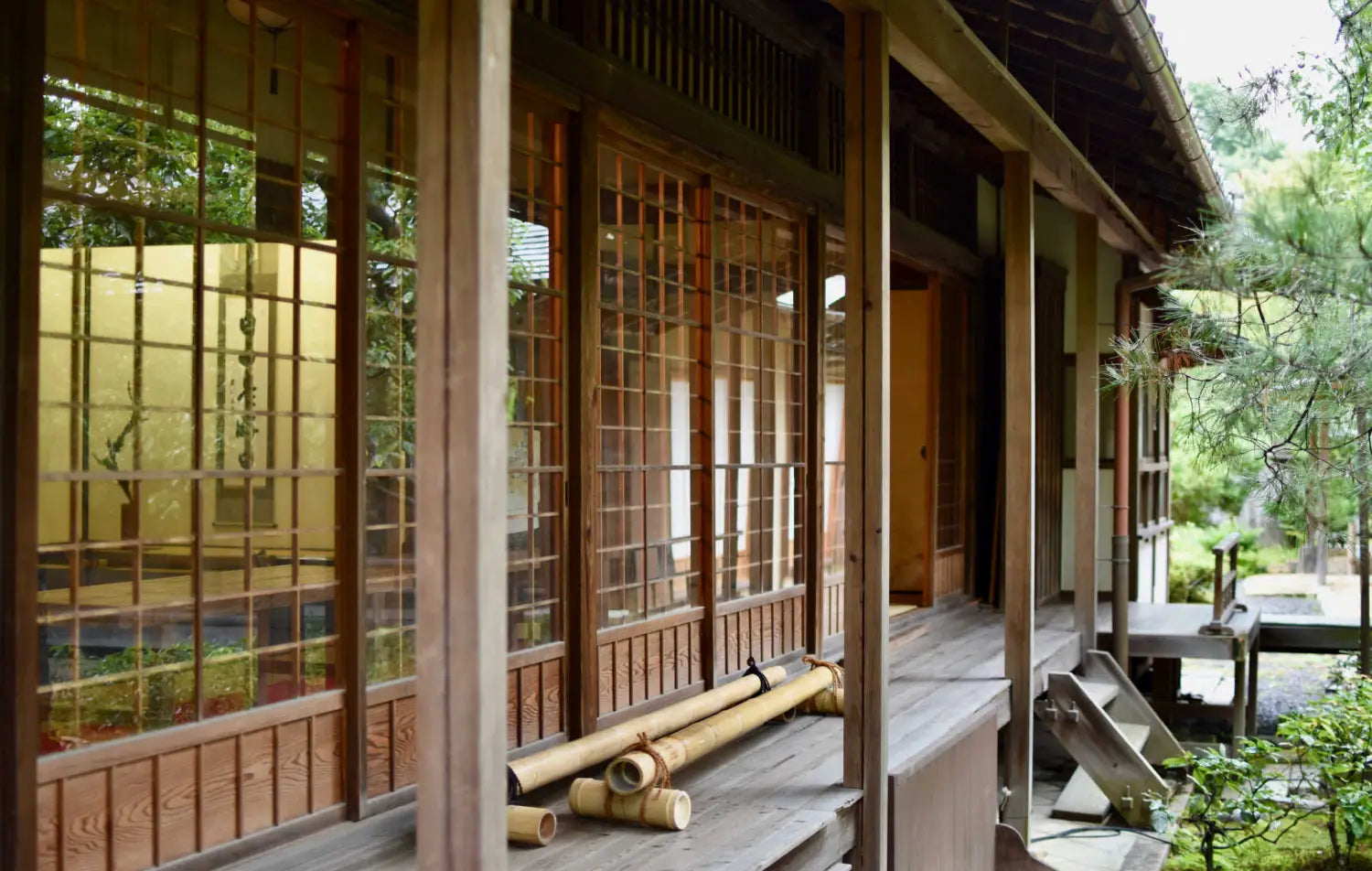
When Engawa is at a level closer to the interior floor of the Japanese house, it generally uses bamboo and wood in its construction. When the height of Engawa is closer to the ground, the materials used are stones, making the space a kind of garden.
Ofurô
Ofurô (風呂, おふろ) is a traditional Japanese wooden bath. It is much narrower but much deeper than the Western bathtub. The use of the Ofurô dates back to the samurai era. When used, the idea is for the person to be submerged in hot water in the fetal position.
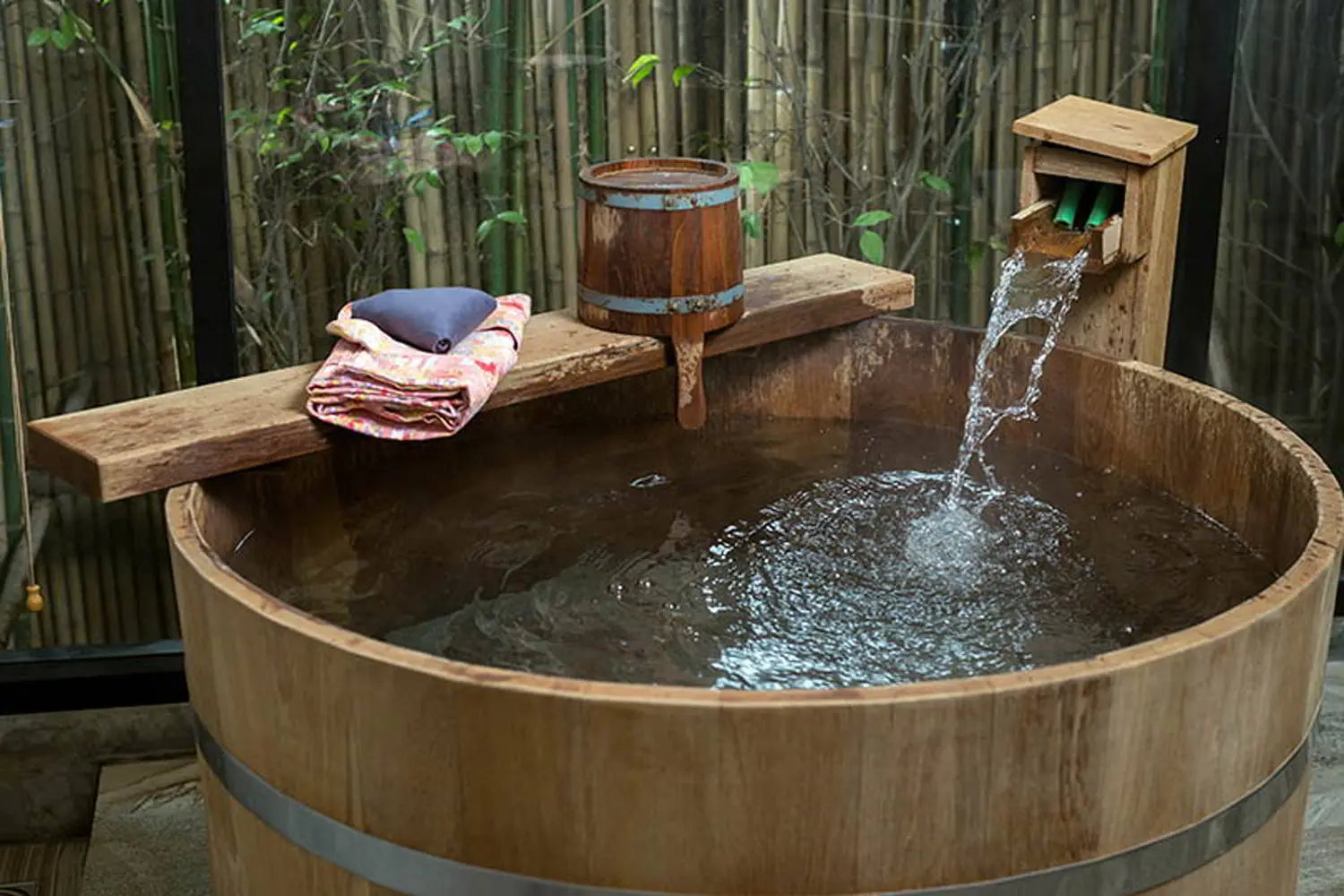
According to tradition, it is the ideal position to regain the peace and energy experienced in the mother's womb.
Sudare
The Sudare (すだれ) is a curtain used in Japanese houses. It is made of horizontal slats of wood, bamboo, reed, straw, among others. In older houses, the cords are equipped with large iron hooks.

Besides being beautiful, the Sudare is extremely functional, as it protects the interior of the Japanese house from sunlight, insects, and rain. The spaces between the bamboo allow the wind to enter, keeping your room airy.
Zabuton
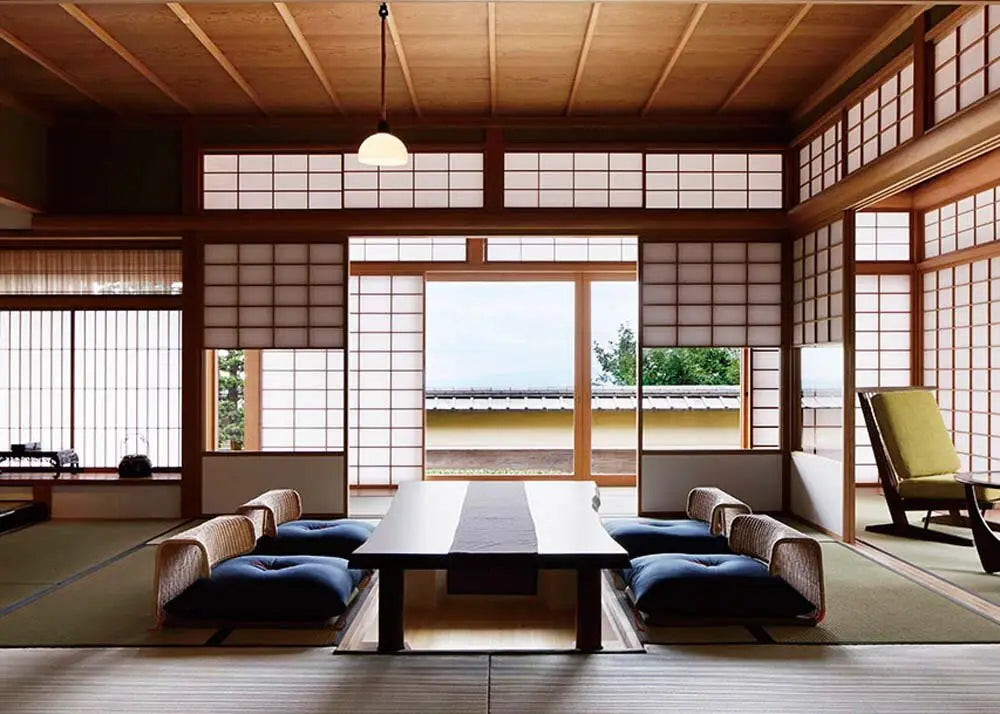
A Japanese house without zabuton is not a real Japanese house. These thin little cushions are used to sit on under the tatami, as if it were the chair of a Western house. They are usually made with noble fabrics, such as silk, or with their original fabric, cotton.
Ranma
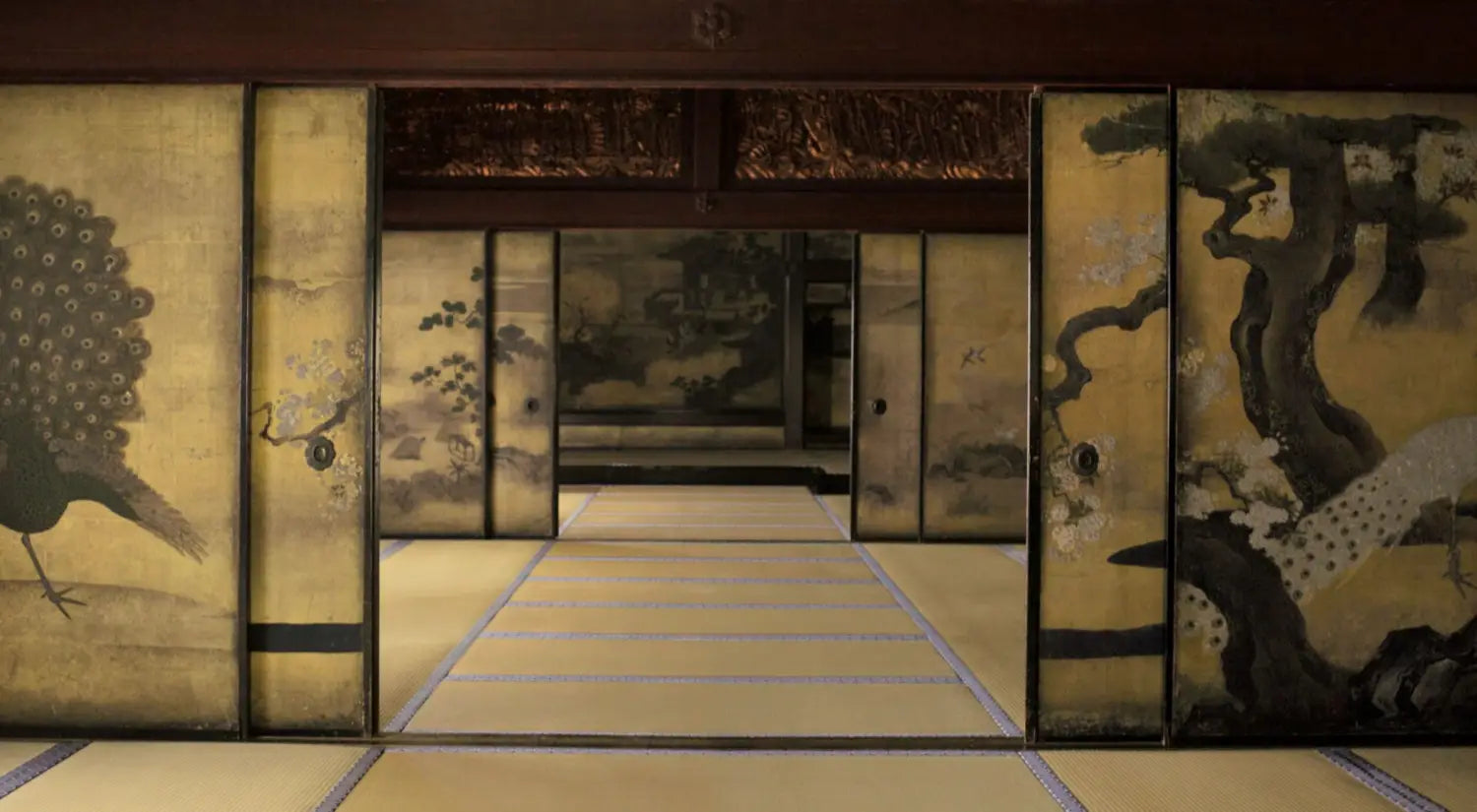
Ranmas (欄間) are panels located above Shōji or Fusuma. They are designed to let light and ventilation into the rooms and chambers of the Japanese house.
Wagoya
To create a safe Japanese house, carpenters developed advanced construction techniques that allow building large buildings without using nails. Some of these woods are equipped or tied with rope, creating a unique aesthetic in Japanese houses.
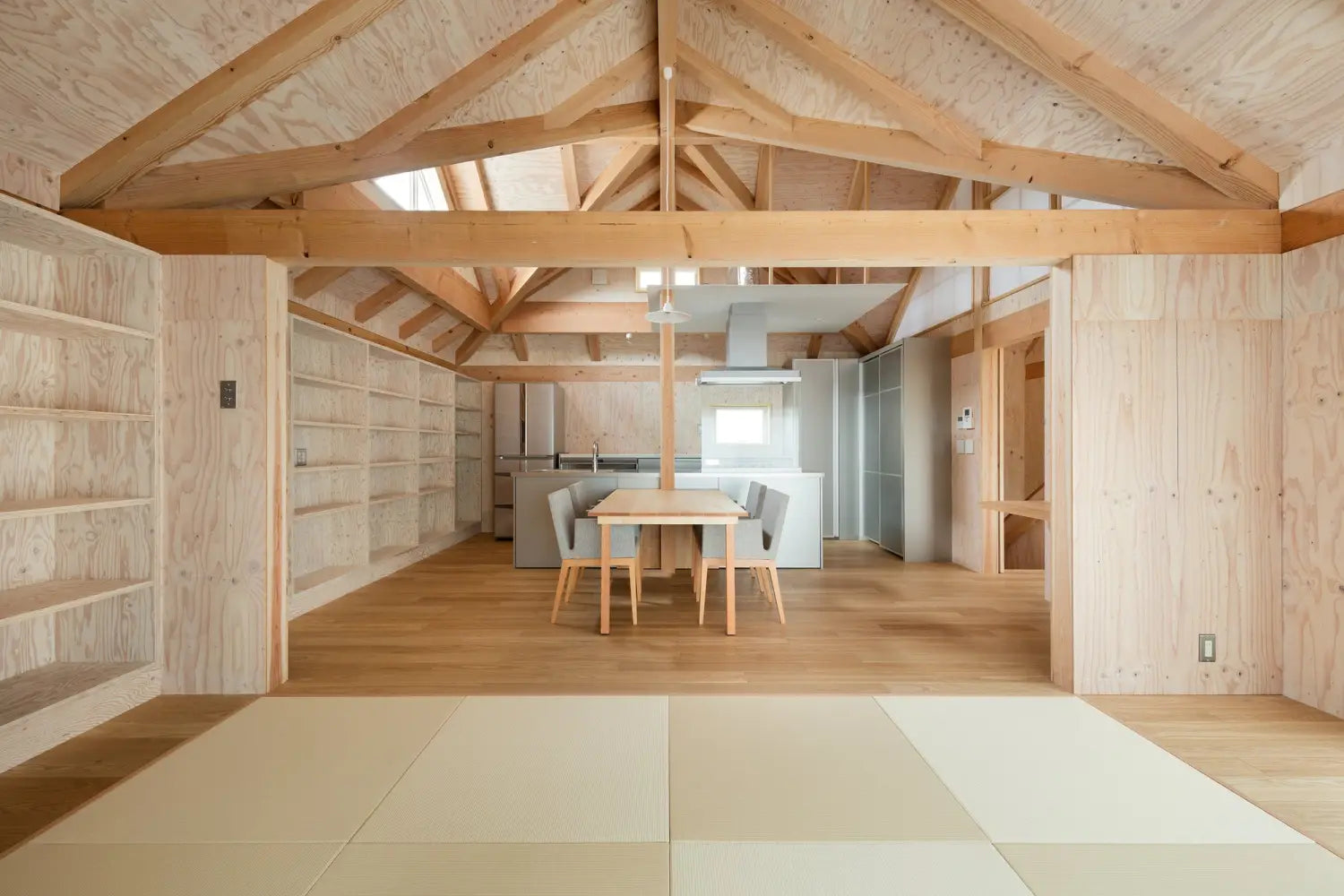
One of the most common techniques in Japanese houses is Wagoya. It is characterized by a wooden structure used under the roof in which the interlocking method is used to connect the wood, structures, and beams.
Roof with eaves
Every traditional Japanese house has a roof edge, known as Masu-Gumi. It is a roof extension that helps preserve the wall by preventing contact with rainwater and sunlight.
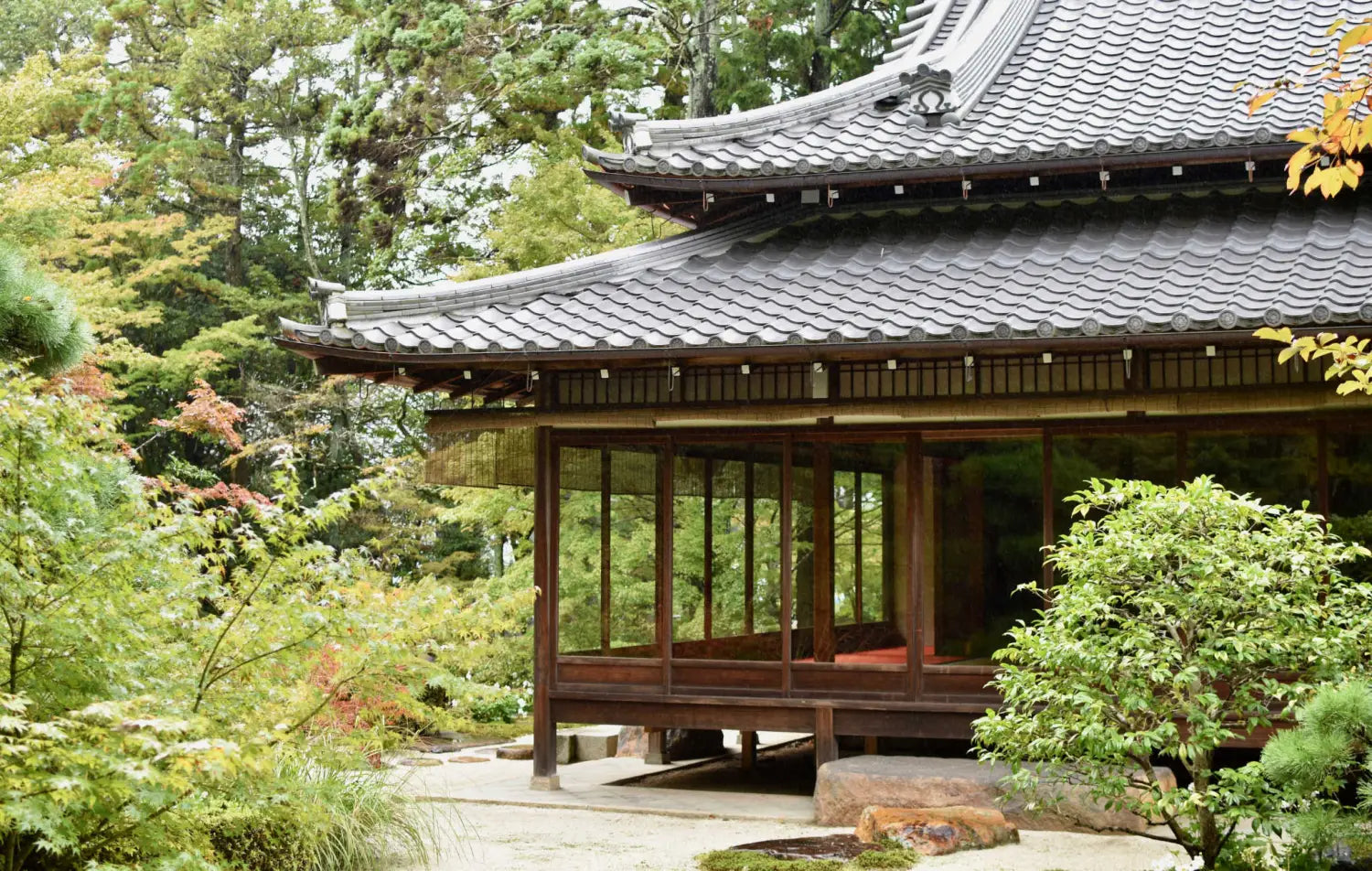
The need for eaves in Japanese houses arose from the country's climate. Summer is one of the rainiest seasons in Japan, and due to the heat, people like to open their windows and have good ventilation.
With the eaves, residents can protect themselves from rain and enjoy good thermal comfort. The style of the eaves of Japanese houses varies according to the period of construction.
What is your favorite element of a Japanese house? Share it with us in the comments! Also, if you want to have a small part of a Japanese house at your place, our wooden sculptures will give you that touch of Japanese aesthetics!
If you are looking for unique decorative elements for your interior, we recommend taking a look at the Esprit Elephant online store. They offer an impressive selection of wooden decorative objects, such as elephant sculptures, which add a touch of exoticism to your living space. Feel free to click here to check it out and discover their inspiring collection.
Discover our wooden animals straight from Japan!
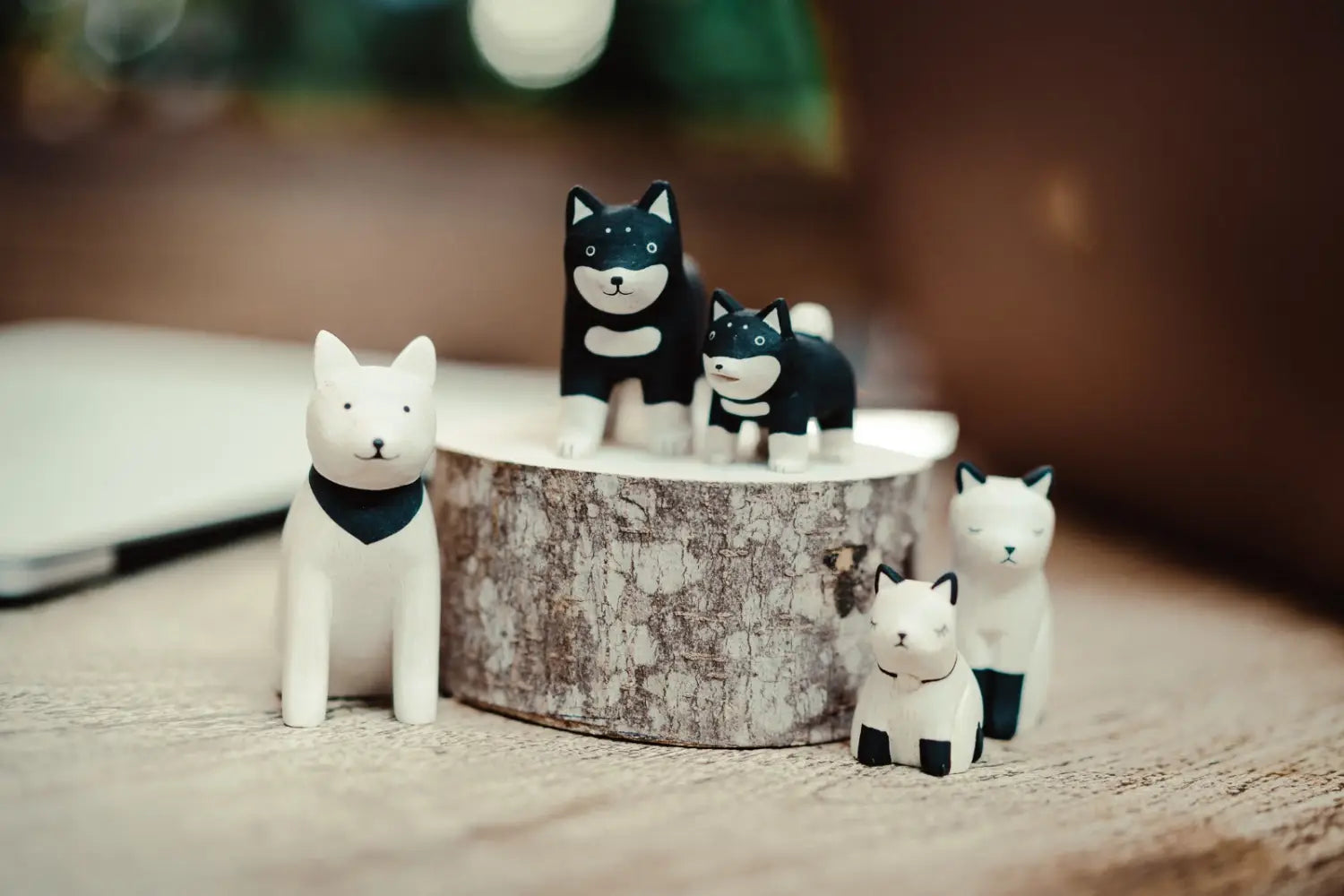
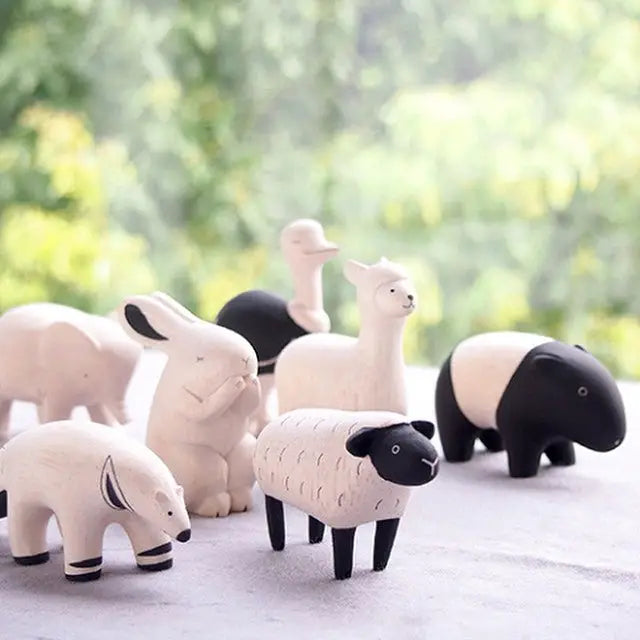
If you have made it this far, it means Japanese design appeals to you, I invite you to visit our wooden animal figurine shop from the Japanese brand T-lab. You will love it!

Leave a comment
All comments are moderated before being published.
This site is protected by hCaptcha and the hCaptcha Privacy Policy and Terms of Service apply.