


The DIY trend has been growing for a few years now and shows no sign of stopping. Much more than a fad, it is for many a passion, a way of life. And for good reason: the more time you spend on it, the more you appreciate the creative effort involved and its result. So here is our DIY guide so that you have all the necessary information to get started yourself, or to expand your knowledge.
What is DIY?
Let's start with the basics. DIY, an acronym for "Do It Yourself", literally means "do it yourself". A word whose meaning can be close, but which should not be confused despite its abusive use by some, is "craft". Technically, "craft" rather means "handicraft" or "artisan"; and indeed, the link between the two is clear.
However, DIY has an important element that fundamentally differentiates it from the world of handicrafts proper: it includes a tutorial and explanatory aspect that helps you implement your creativity with the given technique. Certainly, these can be extremely simple methods accessible to all, so that everyone can express themselves according to their inspiration, but in some fields, the techniques can sometimes be very varied and complex.
Take the example of knitting, which has been very popular for a few years. Learning to make a simple purl or knit stitch takes barely a few minutes on a YouTube "tutorial" of your choice, and you are ready. But if you want to knit yourself a whole sweater, with patterns of different colors, that's another story... You will have to learn several techniques of knots and stitches to accomplish each task and each step of making your sweater.
In this example, it is not enough to just give you some balls of yarn, two needles, and wish you good luck. You need a book, a teacher, or an explanatory video to guide you and teach you the techniques to create by yourself. Do it "yourself", certainly, but not necessarily "all alone", or without help or advice. At the crossroads between art, craft, and DIY, the immense variety of DIY offers you possibilities from the simplest to the most complex.
The different forms and trends of DIY
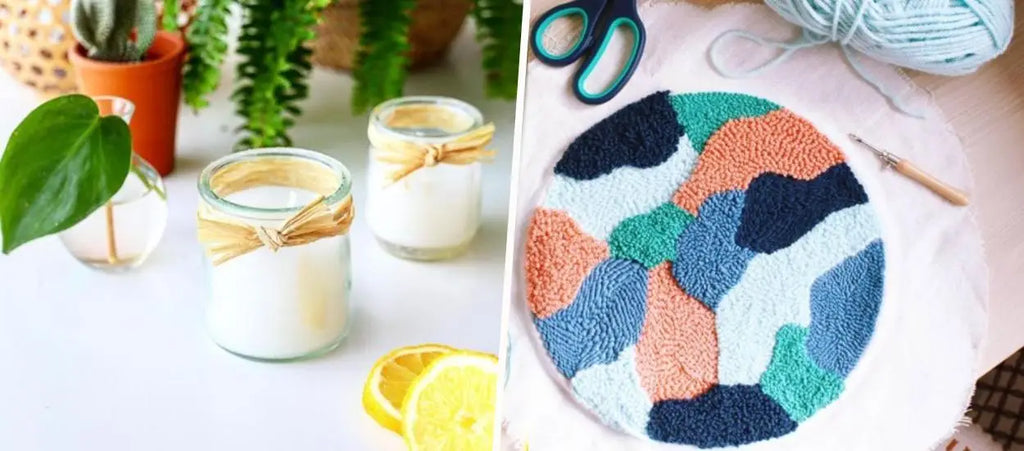
If we go back a little in time, we realize that most everyday objects (clothing, dishes, tools, decoration...) could fit the – quite broad – definition we have today of DIY. Because before the industrialization of the production of each object in question, a large majority of the population spent time making these objects themselves: no need to be a seamstress or a passionate embroiderer at the time to make a small doily or a poncho. Nor was it necessary to be a professional cabinetmaker to make a wooden tool or a shelf.
Today, several currents intersect to give DIY an unprecedented boom. On one hand, the ecological awareness, which pushes many people to take the time to make things themselves. A good example is cosmetics: besides being more ecological (saving disposable plastic), making your own beauty products has the advantage of being better for health (avoiding all unnecessary chemicals) and extremely satisfying as an activity. Who, indeed, has never wanted to turn into a wizard or witch for an afternoon to make potions?
The same goes for clothing: the comeback of thrift stores opens the door to a whole world of possibilities to recover and rework clothes to best suit your taste. And this does not only apply to clothes: more and more individuals, associations, and even companies are engaging in all kinds of upcycling DIY projects. And this trend has a name: upcycling.
A combination of "recycling" and "up", which refers to recovering objects to make something new and "better", of greater value (economic or aesthetic). And DIY has a huge role to play in this new eco-responsible wave. We can even say without error that DIY precisely designates the entire technical part of this sustainable approach to consumption.
Each technique first requires learning, then practice. And the more you practice, the more you improve and enjoy doing it: a virtuous circle in every way! Which brings us to the next point:
Why start DIY?
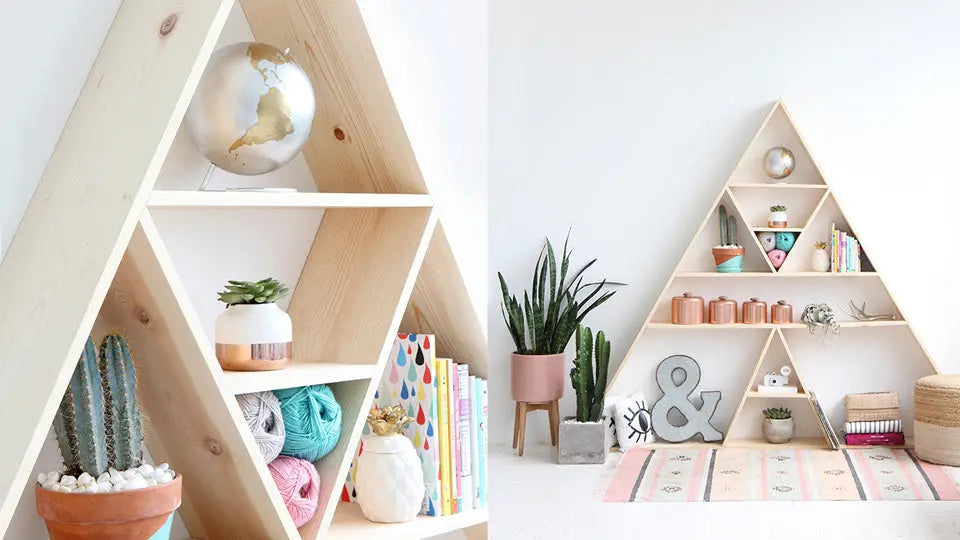
In case you are not yet fully convinced, here is a non-exhaustive list of good reasons to start DIY right now:
-
Because it is ecological, responsible, and sustainable: instead of continuing to fall for the frenzy of overconsumption, you can perfectly spend a little more time designing, creating, improving, and retouching the objects of your daily life, from recovered objects which, by definition, require no (or little) additional resources, and therefore have no (or much less) impact on the environment. In these times... it is time.
-
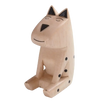
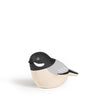
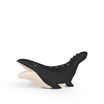
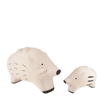
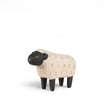
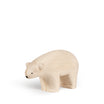
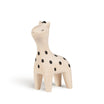
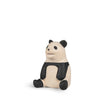
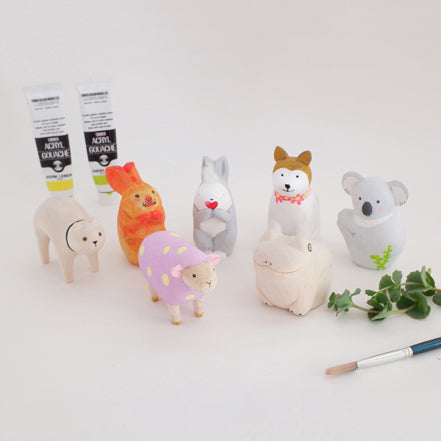
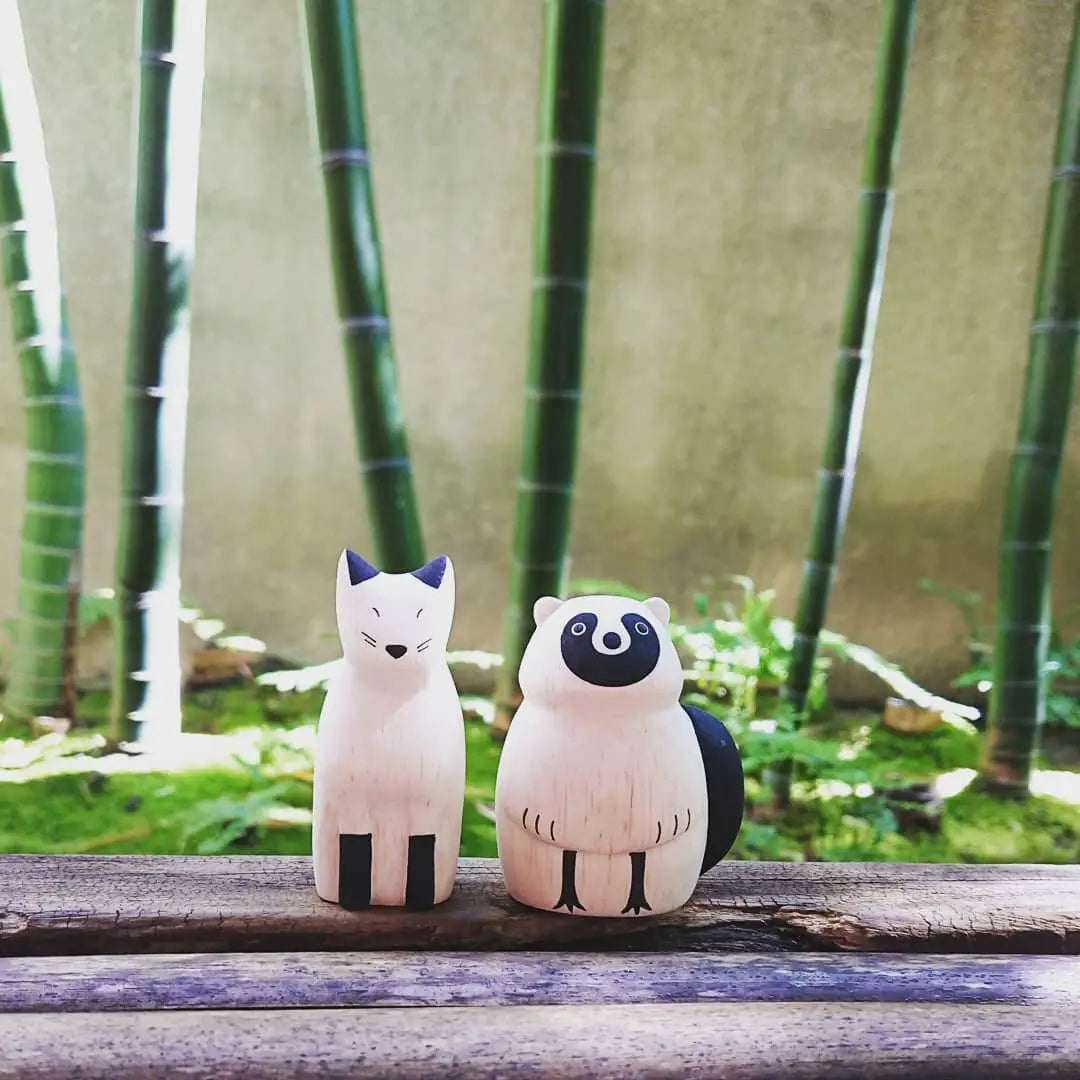
Because it is accessible to everyone: maybe you are not very into knitting, but you like DIY. Maybe it is neither, but painting and gluing is your thing. No matter which field attracts you, whether you are very "manual" or not : you will always find something to do in DIY. From the simplest (like our DIY figurines) to the most complex (like building your own cabin) there is something for all tastes and all ages!
-
Because it is satisfying, rewarding, and so fun it quickly becomes addictive: yes, whether it is a small piece of furniture found at a flea market, or a handcrafted object with an artistic approach, having an object with a story is really more pleasant than a mass-produced thing made somewhere unknown. But being able to add your personal touch and adapt it completely to your tastes is exhilarating. It is so pleasant to be able to look at an element of your interior and say "I made this"!
-
Because it is a know-how, and it is refreshing: at a time when the frantic system in which we live is being questioned, DIY offers you an escape, an opportunity to refocus on the essentials, to return to the roots. And in doing so, you learn new things every time you practice; which brings you autonomy in more and more tasks, confidence, and knowledge. And that is the greatest wealth.
- Because there is no limit to expressing your creativity: do not stay locked in the frustration of everyday life. Everyone needs to vent certain emotions, express certain ideas, and do it their own way. There is no need to consider yourself an "artist" for that: everyone has their own sensitivity and creativity. DIY is a constructive and playful way to give shape and life to your inspirations.

Leave a comment
All comments are moderated before being published.
This site is protected by hCaptcha and the hCaptcha Privacy Policy and Terms of Service apply.