












Japan, the land of the rising sun, is a fascinating country where the old meets the new. It adheres to its traditions and roots while allowing innovation and new trends. Today, Japanese architects play a key role in creating global architectural trends. Many historical and contemporary architectural structures are now tourist destinations and highly sought-after spaces, which has fascinated the whole world.
Here is a list of Japanese people who changed the face of architecture. Hold on tight!
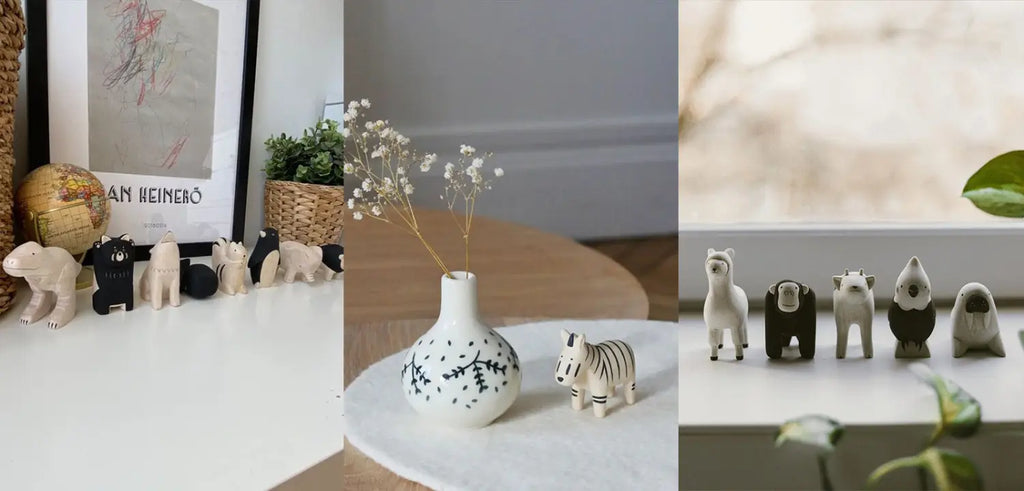 Design and Japan enthusiast? I invite you to check out our handmade wooden decoration collection straight from Japan. The T-lab animals follow the minimalist and elegant line of Japanese design.
Produits






1. Kenzo Tange
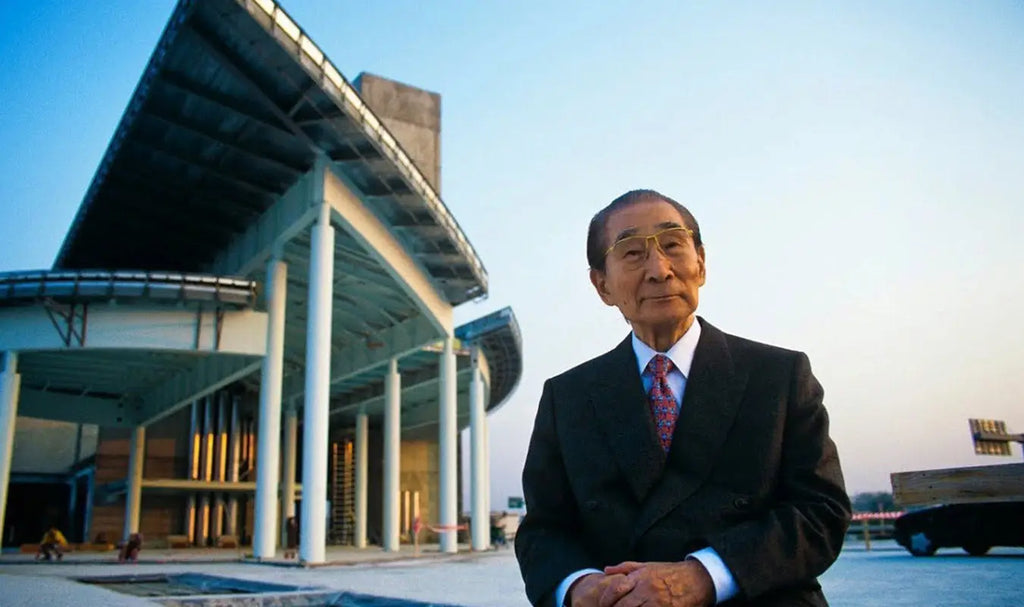
The Japanese architect Kenzo Tange was born in Osaka, Japan, on September 4, 1913. He was a university professor and one of the leading architects of the Metabolism movement in the 1960s. Tange is one of the most famous architects of the 20th century. He incorporated traditional and modern architectural styles in his creations and participated in various projects worldwide. In 1987, he became the first Japanese architect to receive the prestigious Pritzker Architecture Prize. At the 1960 World Design Conference, Tange presented one of his most famous projects, a floating city concept in Tokyo Bay. His son, Paul Noritaka, was named president of Kenzo Tange Associates in 1997, and in 2002, he founded Tange Associates.
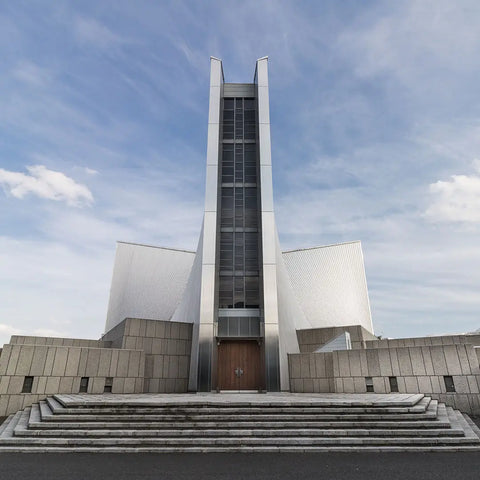 Hiroshima Peace Memorial
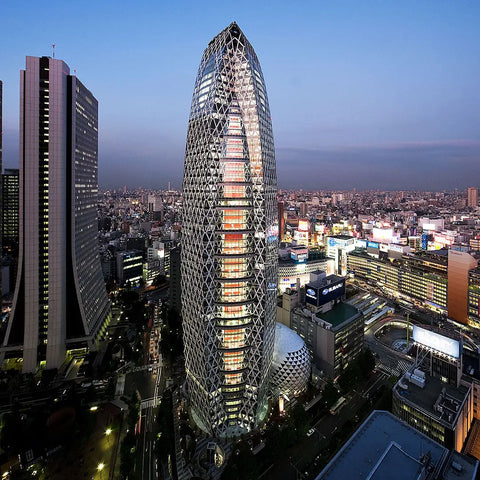 Mode Gakuen Cocoon Tower
2.Tadao Ando
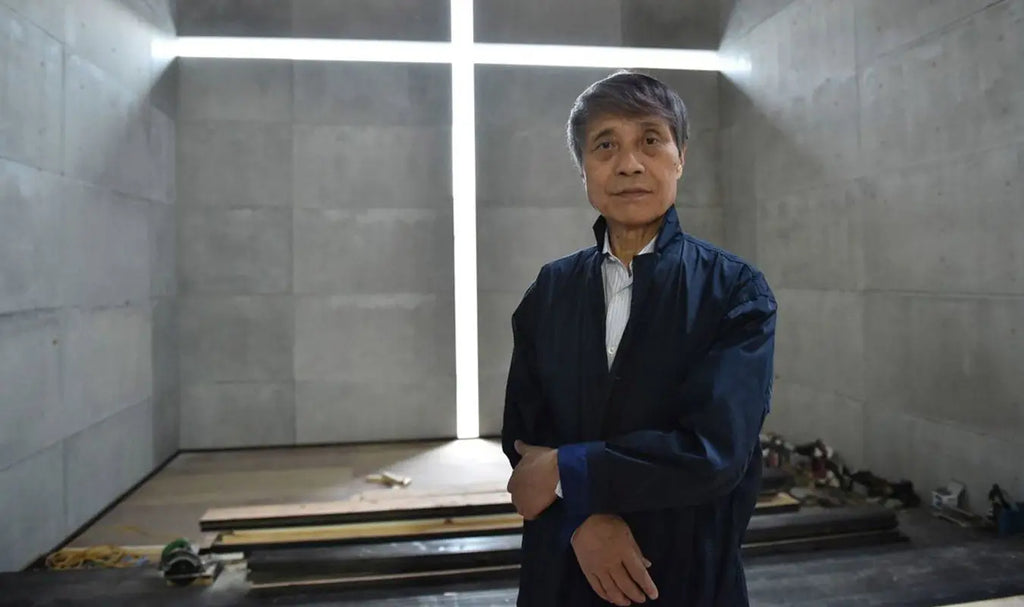
Born on September 13, 1941, Tadao Ando is one of the Japanese architects inspired by the international icon, Le Corbusier. He was first attracted to architecture at the age of 15 but later became a boxer and truck driver. Between 1962 and 1968, he trained in design concepts through apprenticeships, evening classes, and by exploring the world to study architecture. In 1969, he opened his firm Tadao Ando Architectural & Associates.
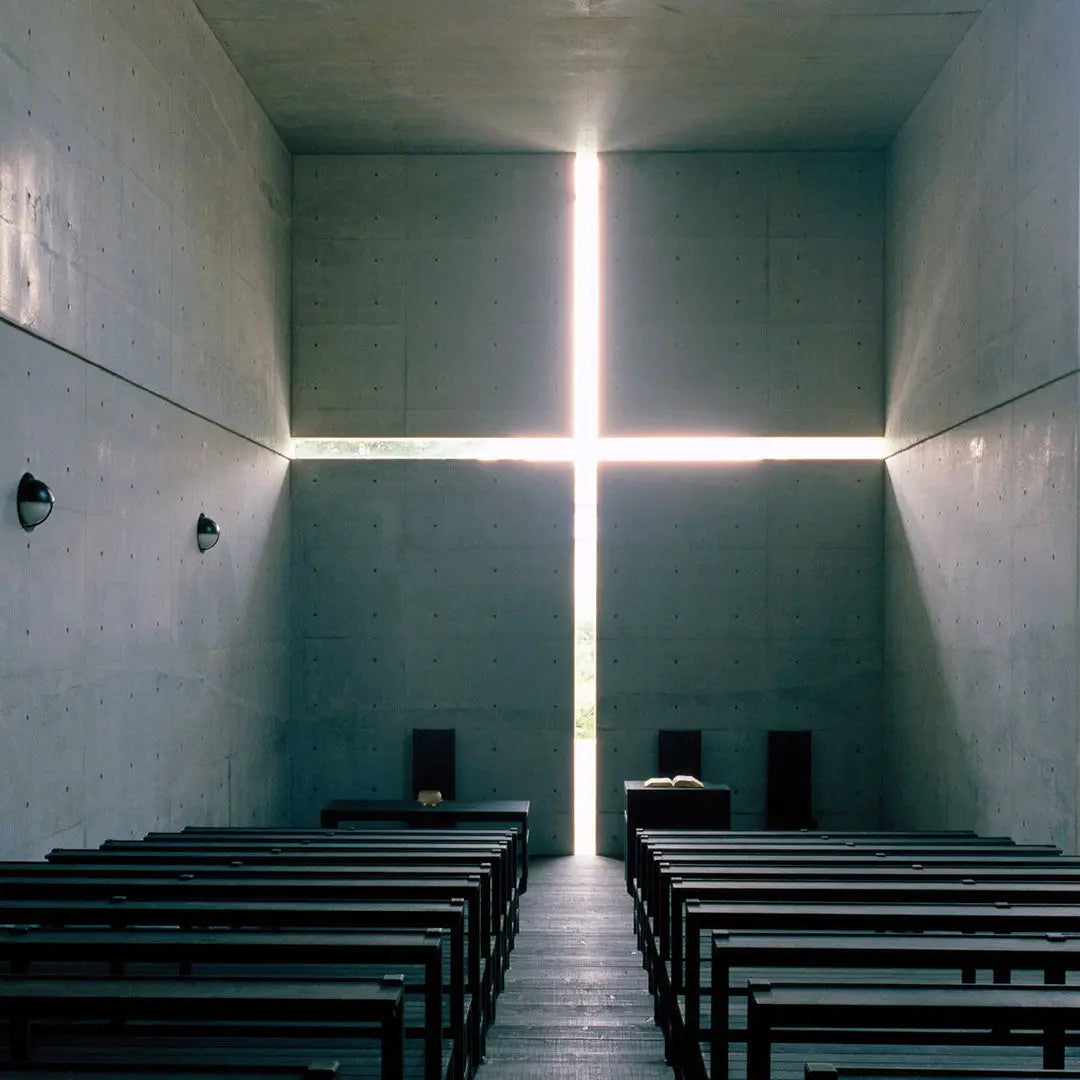
In a short time, he won the annual award from the Japan Institute of Architects and later, after being accepted by the international community, the Pritzker Architecture Prize. His most famous achievements are the Church of the Light in Osaka, the Water Temple in Hyogo, the 4×4 House in Hyogo, and the Fabrica Research Center in Italy. "I would like my architecture to inspire people to use their resources, to move toward the future," he says.
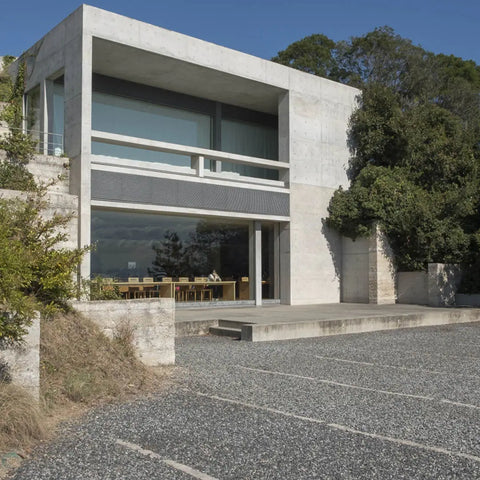
Chichu Art Museum
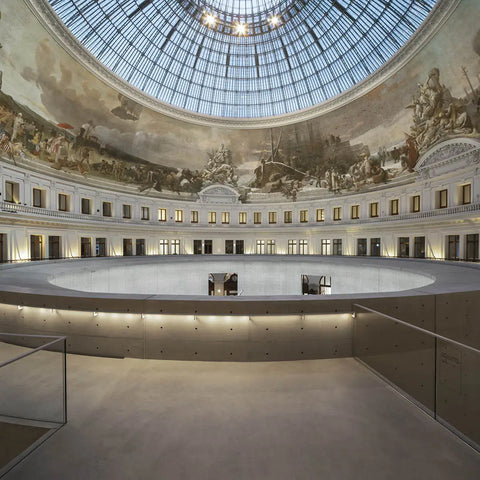 Stock Exchange
3.Ito Toyo
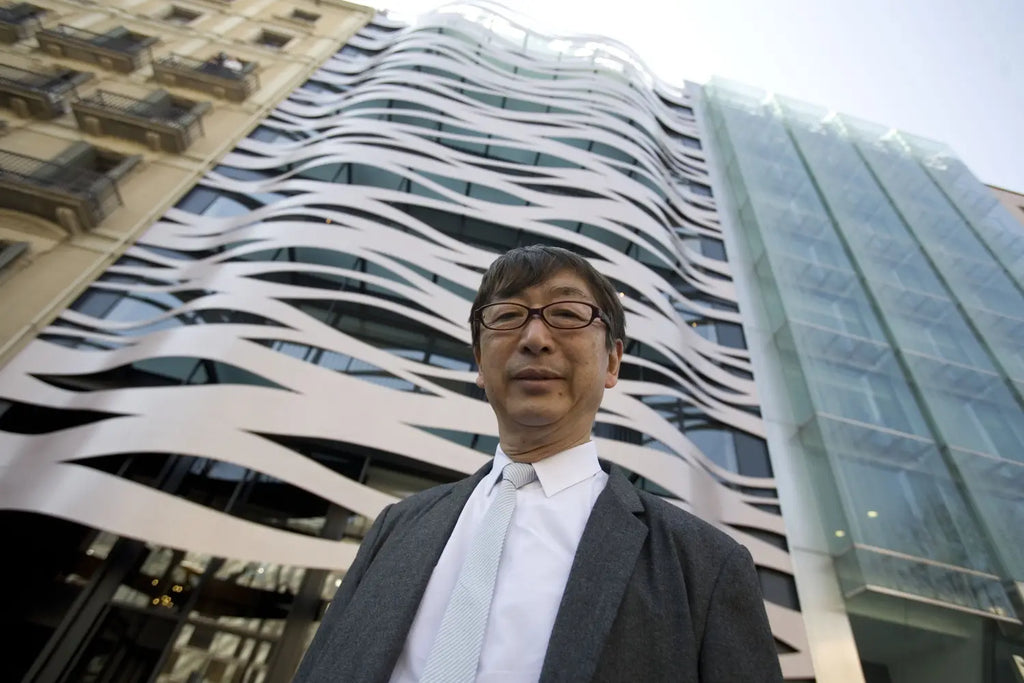
Toyo Ito is a renowned Japanese architect, known for his conceptual creations that attempt to simultaneously connect the physical and virtual worlds. Born on June 1, 1941, he admits that he was not very interested in design during his youth, and that his attraction was cultivated later in life. After earning his architecture degree from the University of Tokyo, he worked for Kiyonori Kikutake & Associates before founding his own firm in 1971.
He believes in training young architects and has trained some of Japan's most influential architects such as Makoto Yokomizo, Astrid Klein, and Kazuyo Sejima. Among the most famous projects of this Pritzker Prize laureate are the Toyo Ito Architecture Museum, the Tama Art University Library in Tokyo, and the Mikimoto Building in Tokyo.
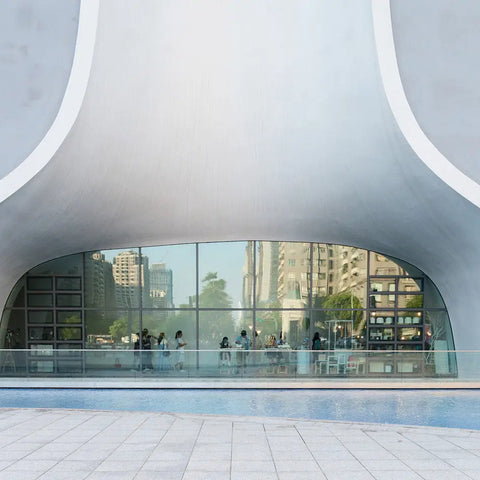
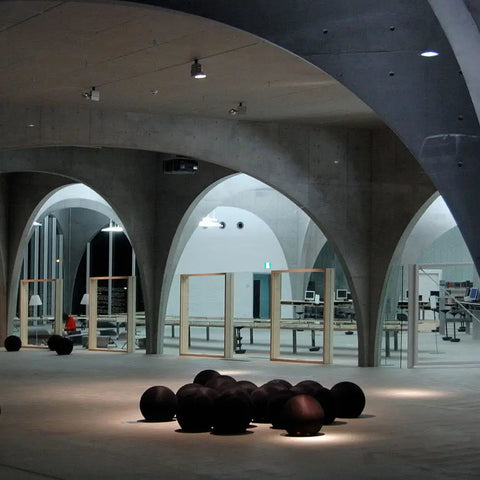 Tama Art University
4.Shigeru Ban
Also known as "the people's architect", the 2014 Pritzker Prize laureate, Shigeru Ban, is a renowned architect who masters the combination of Japanese and American design elements. He began his practice in 1985 and has since worked on various projects worldwide. His "Paper Architecture" philosophy comes from the 1994 Rwandan civil war, where living conditions were terrible; he proposed his paper tube shelters to the United Nations for refugees.
Since then, he has worked extensively on designing temporary shelters for communities affected by natural disasters. "I did a lot of testing, and I finalized my research. Paper became part of my visual vocabulary. You know, paper is an industrial material. You can make almost anything with it. Wood, for example, is much harder to adapt to different needs," he explains.
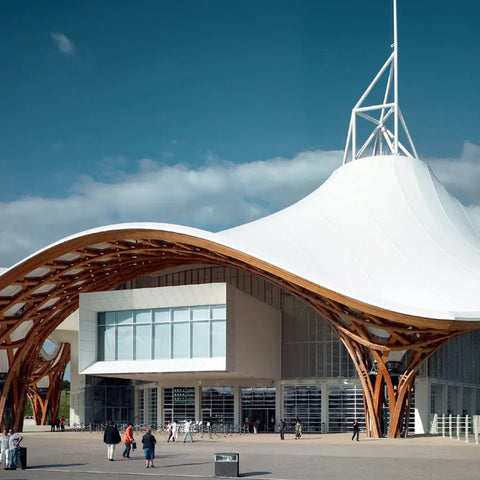
Centre Pompidou-Metz
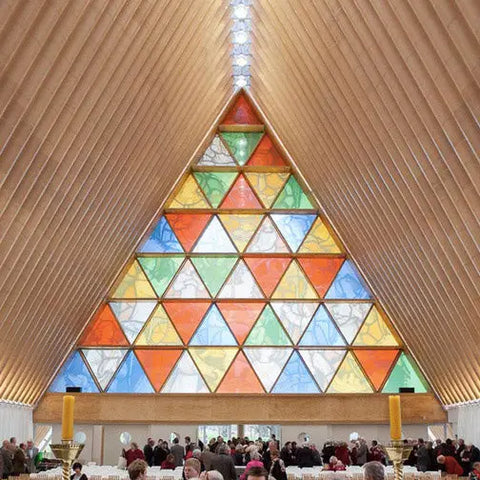
Takatori Church
5.Hara Hiroshi
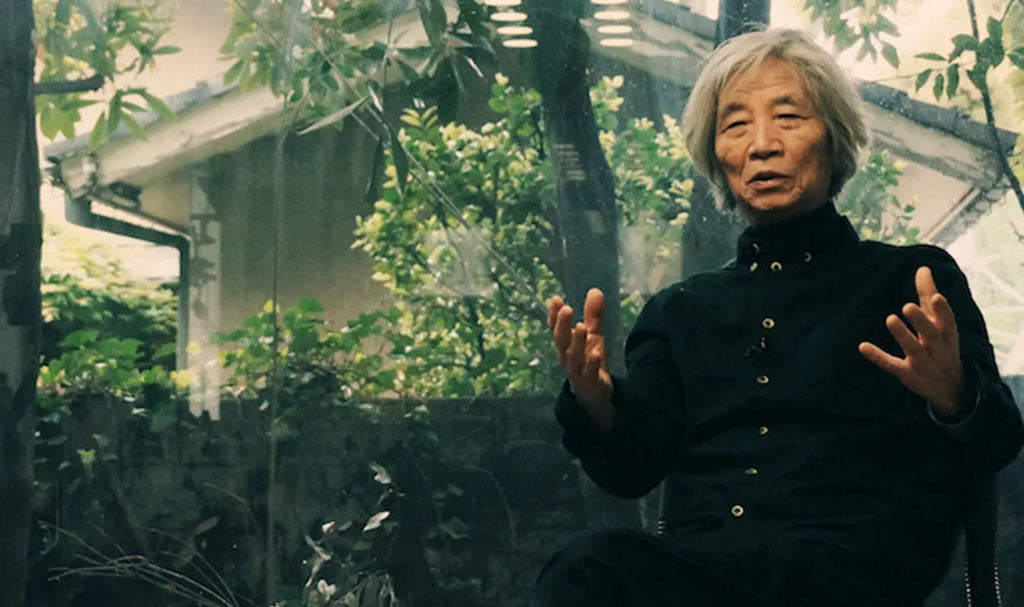
Born on September 9, 1936, Hara Hiroshi is a Japanese author and architect. He earned his bachelor's degree in 1959, his master's and doctorate in 1964 at the University of Tokyo. He has written many architectural essays, Discrete City being his most famous, and books like The 'Floating World' of His Architecture, Shūraku No Oshie 100, and Yet. Some of his favorite projects are the Sapporo Dome, the Experimental House in Argentina, and the Iida City Museum.
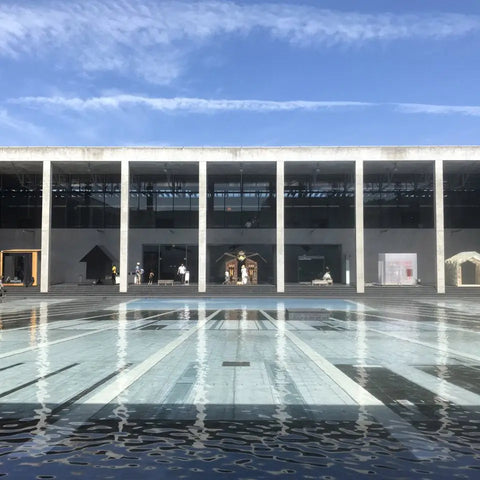
Echigo Tsumari Museum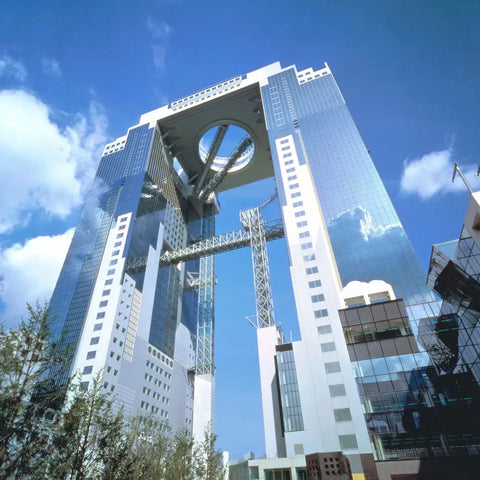 Umeda Sky Building
6.Kazuyo Sejima

Known for her modernist creations, Kazuyo Sejima is the second woman to receive the Pritzker Prize in 2010. She earned a degree in architecture from Japan Women's University, then a master's in 1981. She began working with Toyo Ito until 1987. In the 1990s, she partnered with her former employee Ryue Nishizawa and opened a new studio, SANAA. They mainly designed structures in Japan, such as the Nishinoyama House in Kyoto and the O-Museum.
Their firm was also among the 11 finalists for the design of the new Japanese national stadium for the Tokyo 2020 Olympic Games. Notable international projects include the theater and De Kunstlinie cultural center in the Netherlands and the Rolex Learning Center at the École Polytechnique Fédérale de Lausanne in Switzerland.
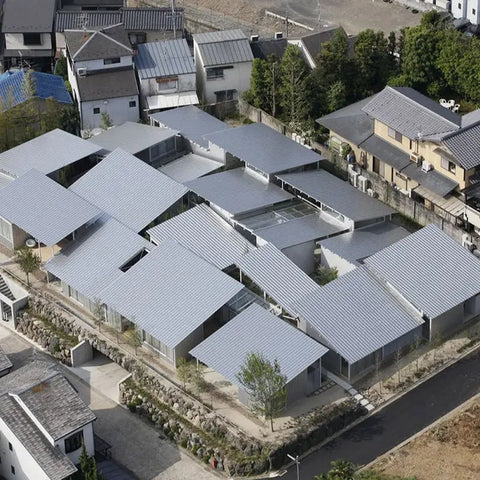
Nishinoyama House
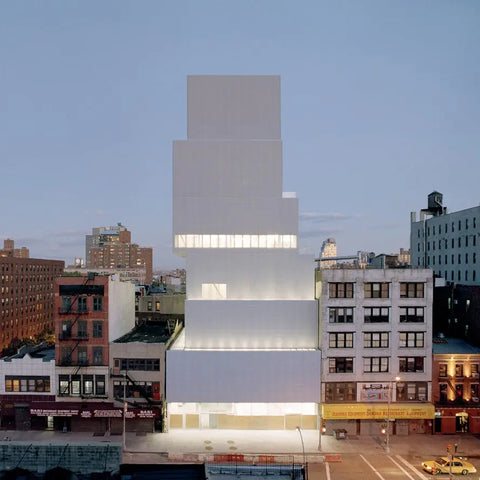 O-Museum
7.Oki Sato
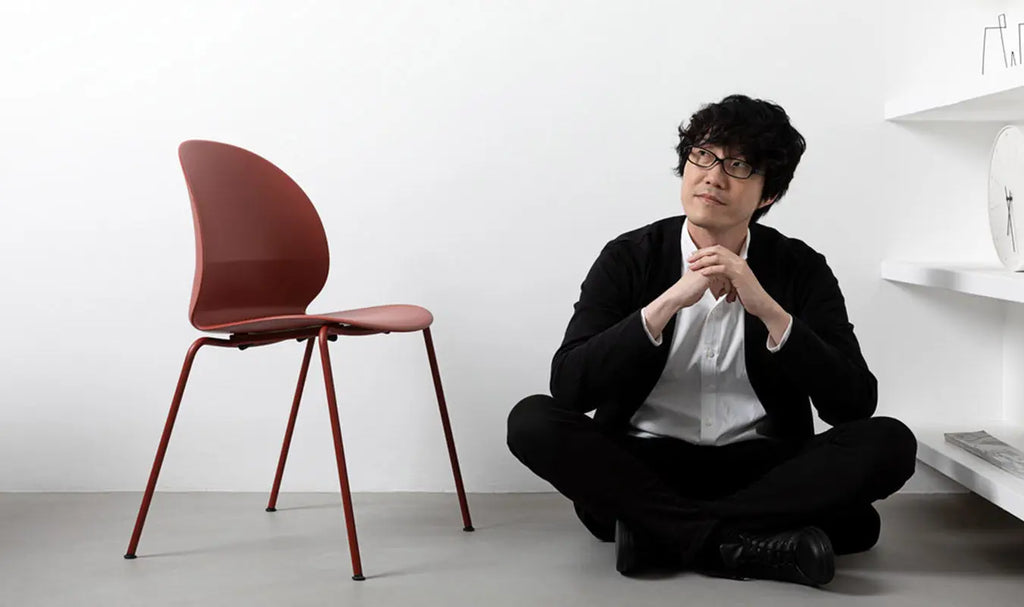
One of the most influential and well-known designers, Oki Sato, was born on December 24, 1977. He is an architect and designer who studied at the prestigious Waseda University in Tokyo. He created his own studio, Nendo (a Japanese word meaning modeling clay). He has held many successful exhibitions worldwide, one of his most iconic being the 50 chairs based on Japanese manga comics and Between Two Worlds (Escher X Nendo).
He actively works with many international brands by designing furniture, jewelry, graphics, bags, and taking on various projects. He has been the guest of honor at the famous Toronto interior design fair and the Stockholm Furniture & Light Fair. Among his architectural projects are Siam Discovery, Kojimachi Terrace, Tenri Station Plaza CoFuFun, and many others. His company Nendo also designed the cauldron for the 2020 Tokyo Olympics, which was seen during the opening ceremony.
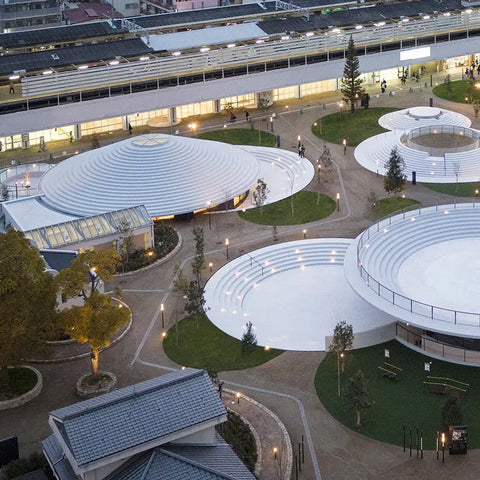 Tenri-Station Plaza-CoFuFun
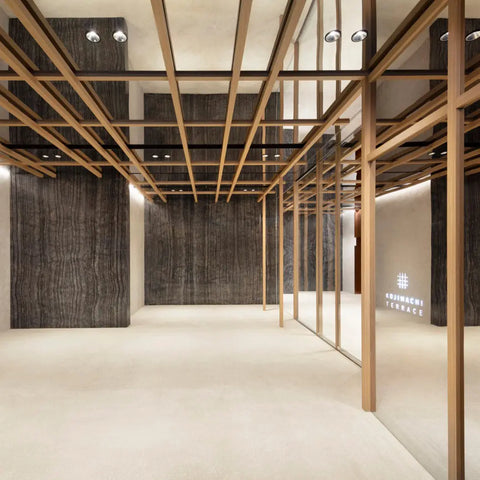 Kojimachi Terrace
8.Terunobu Fujimori
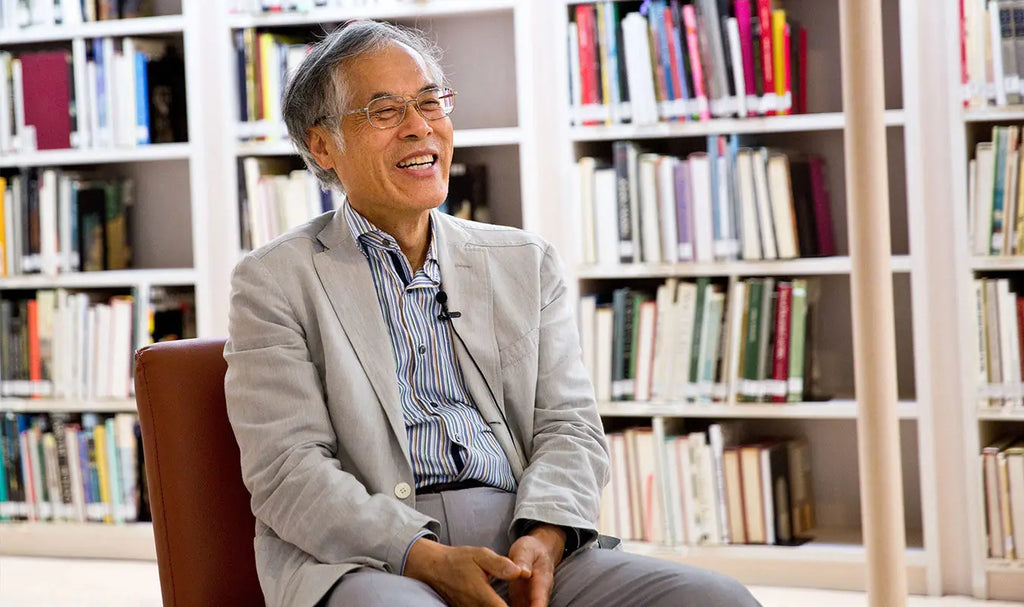
Terunobu Fujimori is a well-known architect and architectural historian. Born in Nagano Prefecture, he studied at Tōhoku University and completed his training at the University of Tokyo, and is currently a professor. Today, he is an author and television host. He also represented Japan at the Venice Biennale in 2006.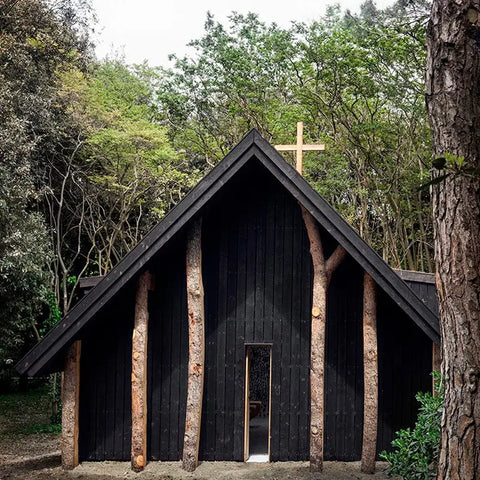 Vatican chapel
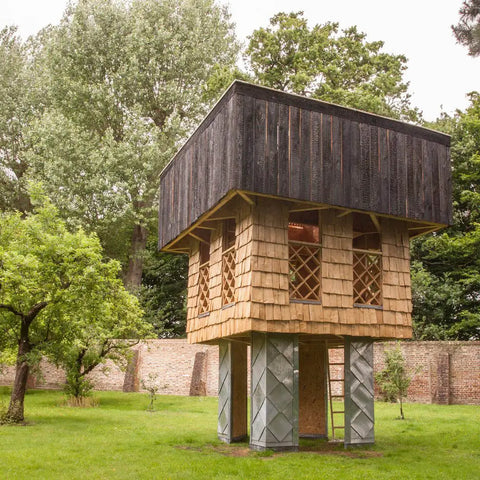 Seminar house pavilion
9.kisho kurokawa
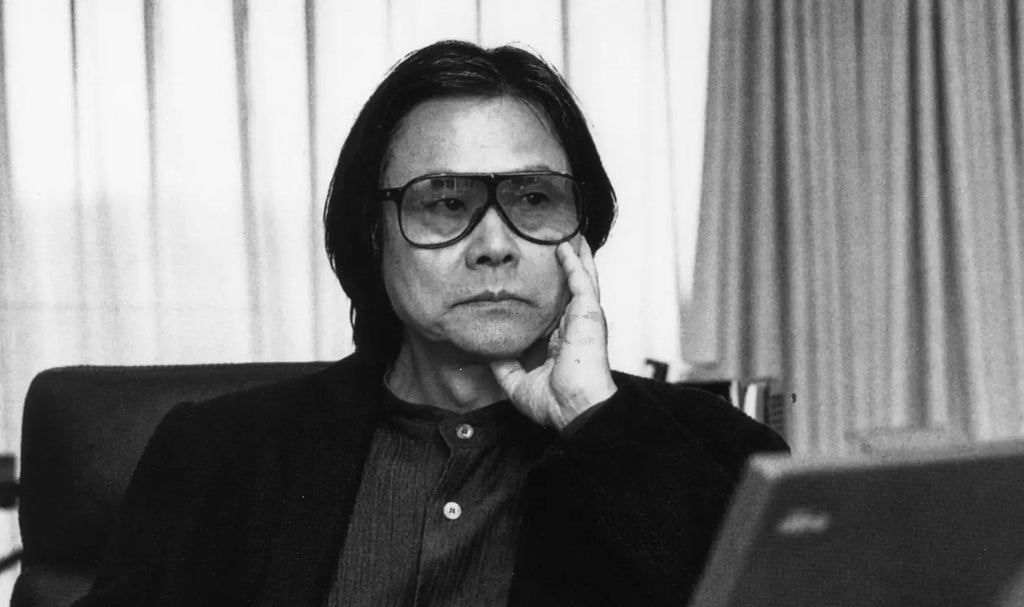
Son of a respected Japanese architect from the pre-World War II era, Kurokawa studied architecture under Tange Kenzō at the University of Tokyo (master's, 1959; doctorate, 1964) after earning his undergraduate degree at Kyoto University in 1957. In 1960, he became one of the co-founders of the Metabolist movement, a group of radical architects based in Japan. Believing in an aesthetic of the machine age, the Metabolists favored prefabrication and mass-produced architectural elements.
Kurokawa, the most radical of the group, advocated for buildings with a central core on which modules and capsules could be attached. He realized this organic vision of architecture in buildings such as the Nakagin Capsule Tower in Tokyo and the Sony Tower in Ōsaka. In the Capsule Tower, detachable spaces intended to be apartments or studios were installed on a concrete core, allowing the building to adapt to its changing needs.
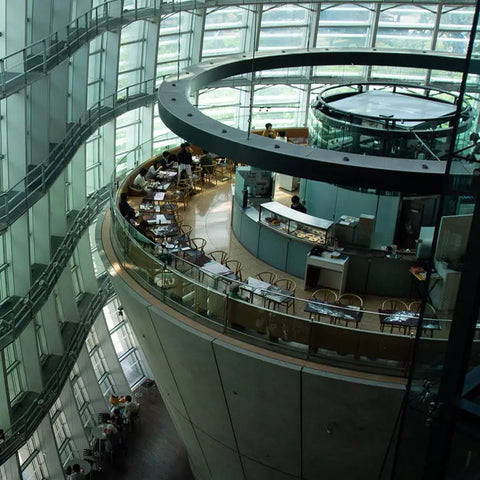
national-art-museum-Tokyo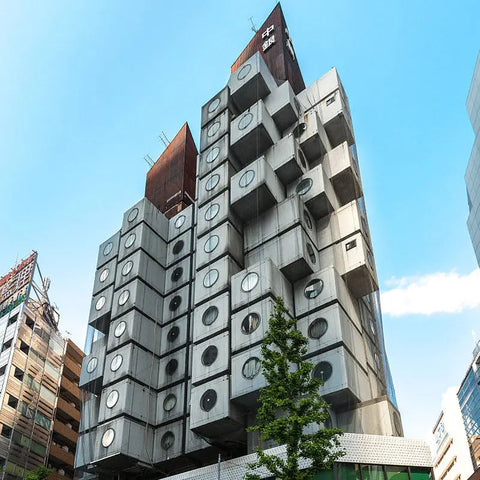 Nakagin capsule tower
10.Kengo Kuma
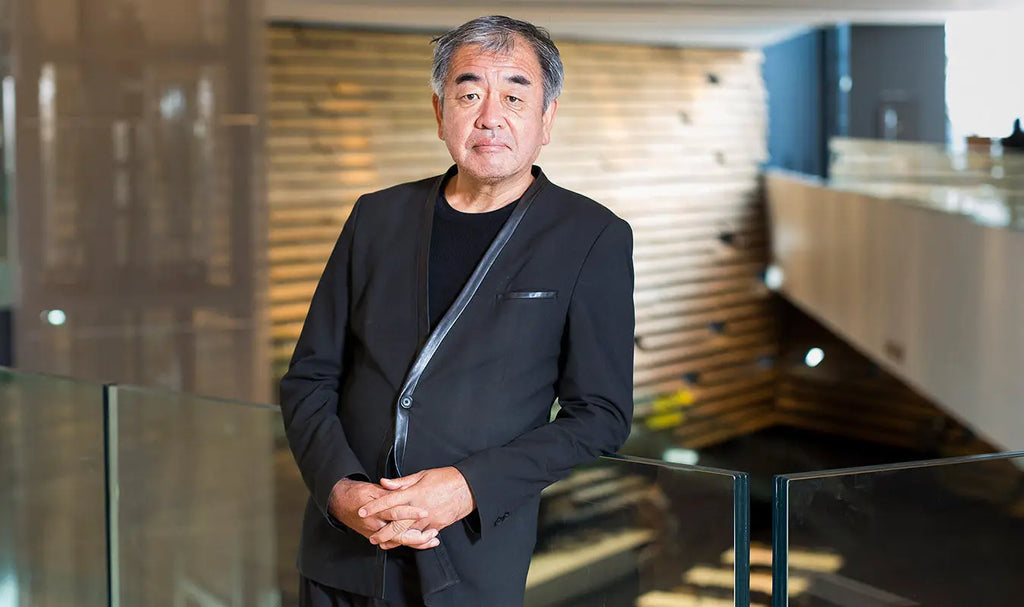
Kengo Kuma is considered one of the most important modern Japanese architects of the 21st century. He has been a leader in contemporary and traditional Japanese construction techniques. After earning his master's degree at the prestigious University of Tokyo, he worked for TODA Corporation, then went to New York as a researcher at Columbia University.
Kuma founded his company, Kengo Kuma & Associates, in 1990, and currently has offices in China (Shanghai and Beijing), France (Paris), and Japan (Tokyo). He is known for the use of wood as a material in his various projects, and he believes that wood will become a key element in the design era of the 21st century. His firm was selected to design the stadium for the Tokyo 2020 Olympic Games. "Nature is synonymous with change and potential. Everything that seems fixed and immutable within the scope of our human myopia is always moving over glacial eons, as it consists of free particles." Among his famous works are the Chocolate House, the Fuku Akino Art Museum, and the Nira House. He won the highly prestigious Japan Grand Art Prix Award.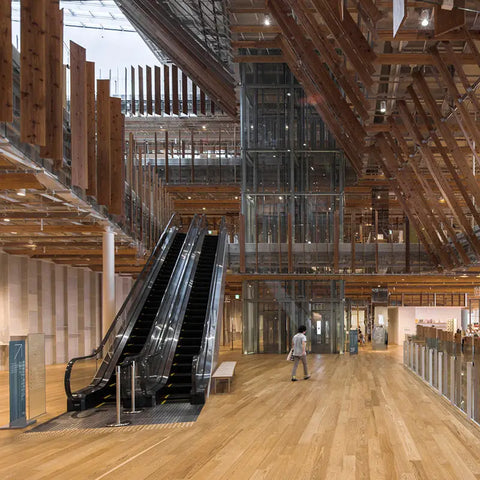 Toyama Kirari
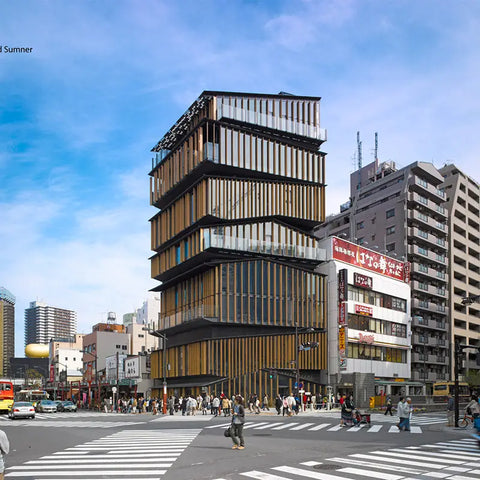
Asakusa culture tourist information
Obviously, this list is not exhaustive at all, Japan is full of many other talented architects. Japanese hyper-cities, especially Tokyo, are often represented by these huge glass towers and other structures that would give us a stiff neck from admiring them so much. However, let us not forget traditional Japanese architecture which we discuss in this blog.
If you want to decorate your interior with charming Japanese objects,
So take a look at our collection of figurines.


Leave a comment
All comments are moderated before being published.
This site is protected by hCaptcha and the hCaptcha Privacy Policy and Terms of Service apply.