





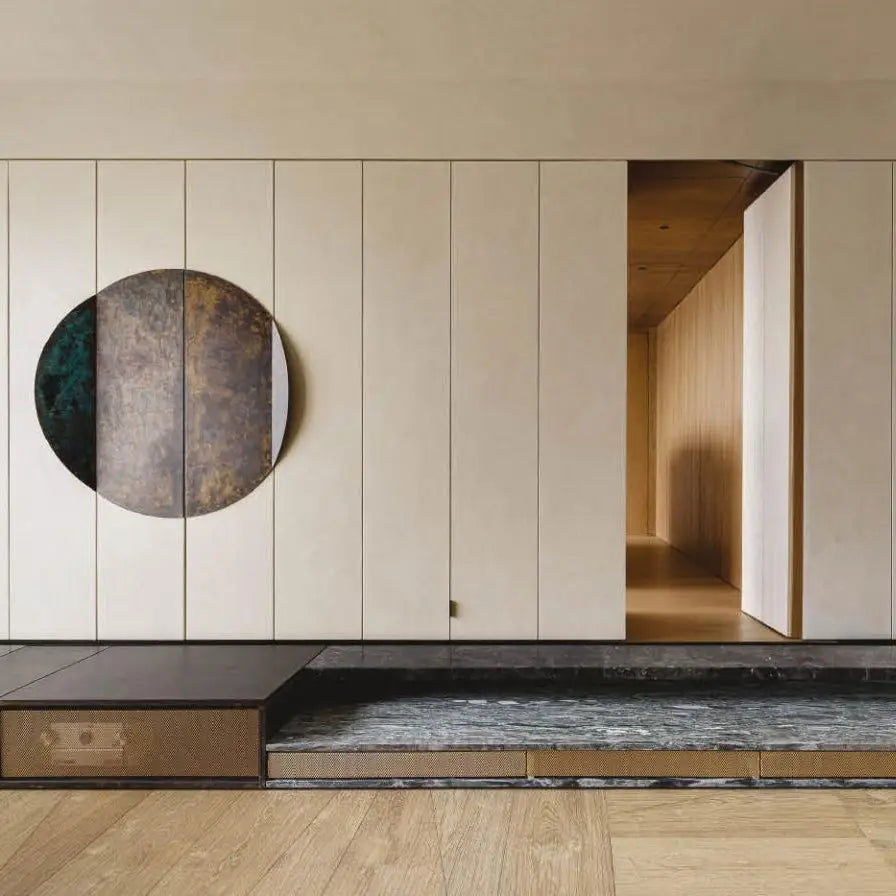
Discovering the art of Wabi-Sabi in interior decoration
Are you looking for an interior design concept that transcends fleeting trends and resonates with your soul? Look no further! Wabi-sabi, an ancient Japanese philosophy, embraces imperfection, simplicity, and authenticity. Let's dive into the history of wabi-sabi, explore its relevance today, and reveal how you can effortlessly infuse its essence into your interior.
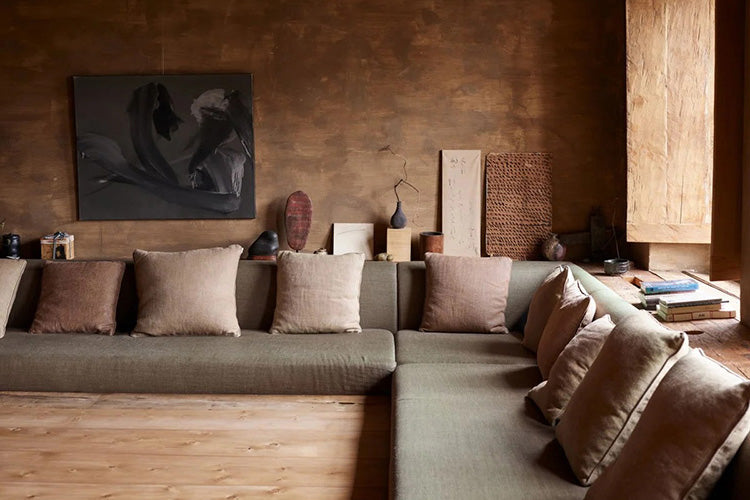
What is the Wabi-Sabi style?
Wabi-Sabi is a design style derived from an ancient Japanese philosophy, which emphasizes the beauty of imperfections, simplicity and authenticity. The concept focuses on accepting the ephemeral nature and imperfections of life, creating spaces that feel harmonious, grounded, and connected to nature. Wabi-Sabi transcends traditional aesthetics and encourages us to rethink our relationship with material possessions and the passage of time.
By incorporating wabi-sabi elements into our homes, we create spaces that encourage reflection, self-awareness, and appreciation of the natural world. For example, a weathered wooden table, with irregular edges and visible knots, celebrates the tree’s history, inviting a deep connection with nature and the story behind the materials.
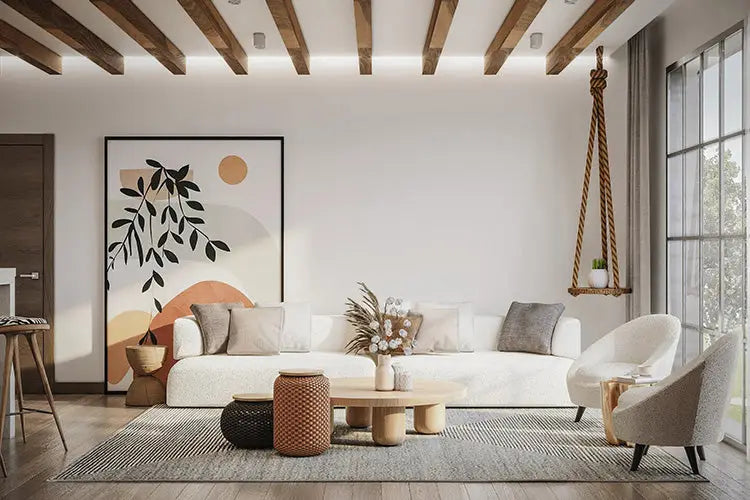
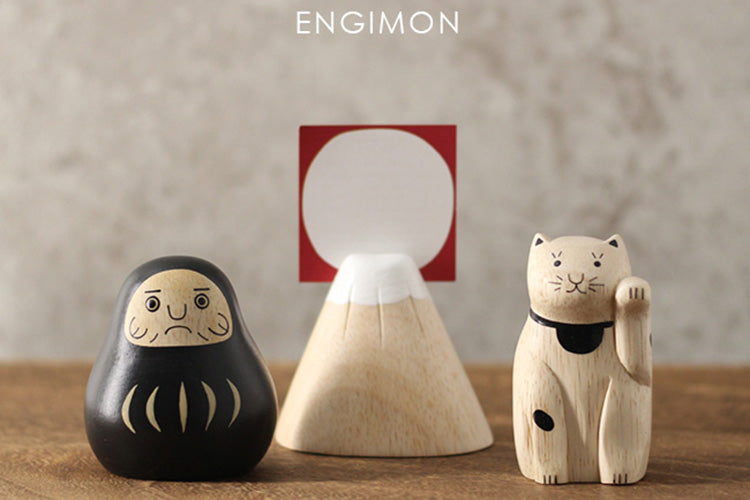
Discover T-Lab Wooden Figurines to Enhance Your Interior with the Wabi-Sabi Style
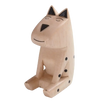
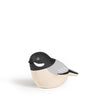
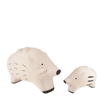
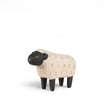
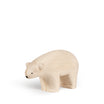
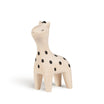
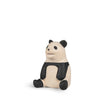
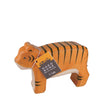
If you are captivated by the philosophy and aesthetics of Wabi-Sabi, don't miss the chance to discover our beautiful collection of T-Lab wooden figurines. These charming handcrafted creations are the perfect example of harmony between art and nature, embodying the simplicity and authenticity dear to the Wabi-Sabi style. Made from natural materials and carefully crafted, these figurines will bring a touch of serenity and timeless elegance to your interior.
Whether you want to decorate your shelves, your desk, or your living room, T-Lab wooden figurines will charm you with their soft shapes and delicate details. Each piece is unique and carries the story of its creator, adding a personal and emotional dimension to your decor. Dive into the world of Wabi-Sabi and invite harmony and natural beauty into your home with T-Lab wooden figurines. Visit here to explore our selection and find the pieces that will brighten your living space.
Wabi-Sabi: A Timeless Journey Through Japanese Philosophy
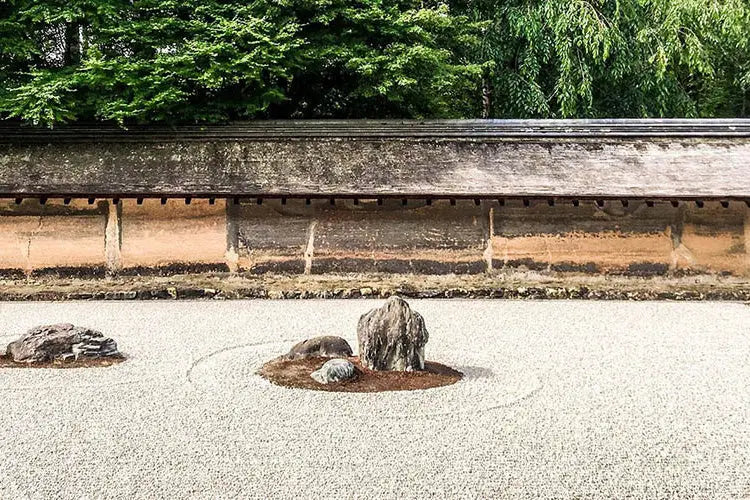
Wabi-sabi is deeply rooted in Chinese Zen Buddhism, celebrating the appeal of natural imperfections and the fleeting nature of life. In the 16th century, Japan adopted this philosophy and integrated it into the tea ceremony, a practice focused on simplicity, harmony, and respect for nature. The tea room, adorned with natural materials and subdued colors, illustrates the application of Wabi-Sabi in interior decoration.
Chinese Zen Buddhism: The Foundations of Wabi-Sabi
The origins of wabi-sabi therefore trace back to Chinese Zen Buddhism, specifically the teachings of Taoism and the concept of "mujo" or impermanence. Zen Buddhism, which emphasizes meditation and the pursuit of enlightenment, encourages the appreciation of simple, unadorned beauty. It emphasized the beauty of imperfection, the fleeting nature of life, and the value of simplicity. These ideas laid the foundation for the development of wabi-sabi as a unique and distinct Japanese aesthetic.

The Emergence of Wabi-Sabi in Japan
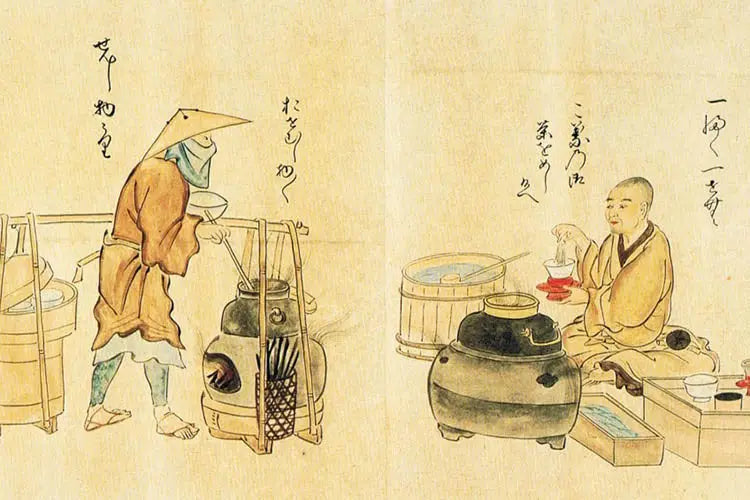
In the 16th century, wabi-sabi emerged as a distinct design philosophy in Japan, partly due to the influence of tea masters like Sen no Rikyu. Rikyu, a highly respected figure in Japanese history, revolutionized the tea ceremony by shifting it away from ostentatious displays of wealth toward a more humble and understated aesthetic. He believed the tea ceremony should reflect Zen Buddhist principles and encourage a deeper connection with nature, simplicity, and harmony.
Rikyu's vision for the tea ceremony led to the incorporation of Wabi-Sabi principles, resulting in a more authentic and unpretentious experience. Tea rooms designed by Rikyu and his contemporaries are characterized by natural materials, rustic architecture, and subtle decorations that embody the wabi-sabi philosophy.
The Influence of Wabi-Sabi on Japanese Art and Culture
The integration of wabi-sabi principles into the tea ceremony has had a profound and lasting impact on Japanese culture and aesthetics. Over time, wabi-sabi principles began to influence various aspects of Japanese art, such as pottery, calligraphy, and ikebana (Japanese flower arranging). Wabi-sabi inspired pottery often features irregular shapes, rough textures, and subtle glazes, reflecting the beauty of imperfection and the natural world.
"The integration of wabi-sabi principles into the tea ceremony has had a profound and lasting impact on Japanese culture and aesthetics."
In Japanese gardens, the principles of wabi-sabi are expressed through the use of natural and asymmetrical elements, such as rocks, moss, and water features. The design emphasizes harmony with nature and the ever-changing landscape, embodying the essence of impermanence.
The philosophy of Wabi-Sabi has also had a significant impact on Japanese architecture. Traditional Japanese houses often use natural materials, such as wood, paper, and bamboo, and are designed to create a sense of harmony between indoor and outdoor spaces.
The Enduring Legacy of Wabi-Sabi
Wabi-sabi remains an essential aspect of Japanese culture and aesthetics. The emphasis on simplicity, harmony, and the beauty of imperfection has inspired countless artists, designers, and architects over the centuries. Timeless philosophy deeply connected to Zen Buddhism, wabi-sabi transcends fleeting design trends and offers a profound perspective on the nature of beauty and human experience.
A unique fusion: Wabi-Sabi meets contemporary design
While wabi-sabi shares commonalities with minimalism and hygge, it emphasizes the notion of imperfection. It's not about creating a perfect home but appreciating the beauty of imperfections, recognizing the natural aging of objects, and accepting the passage of time.
Unveiling the charm of Wabi-Sabi in your living space
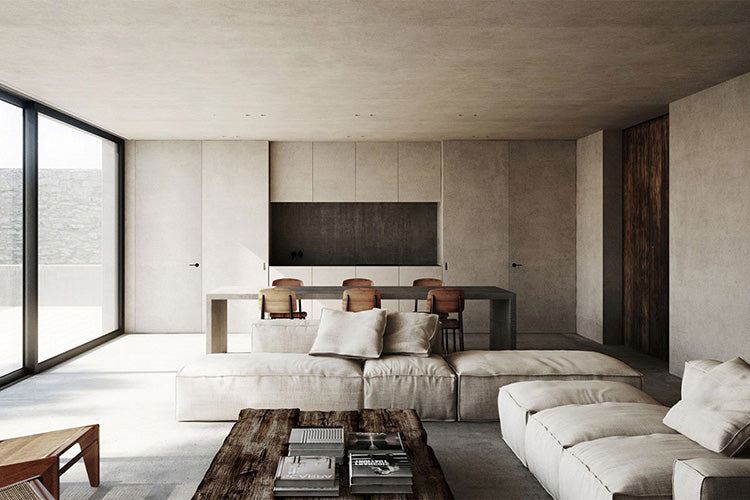
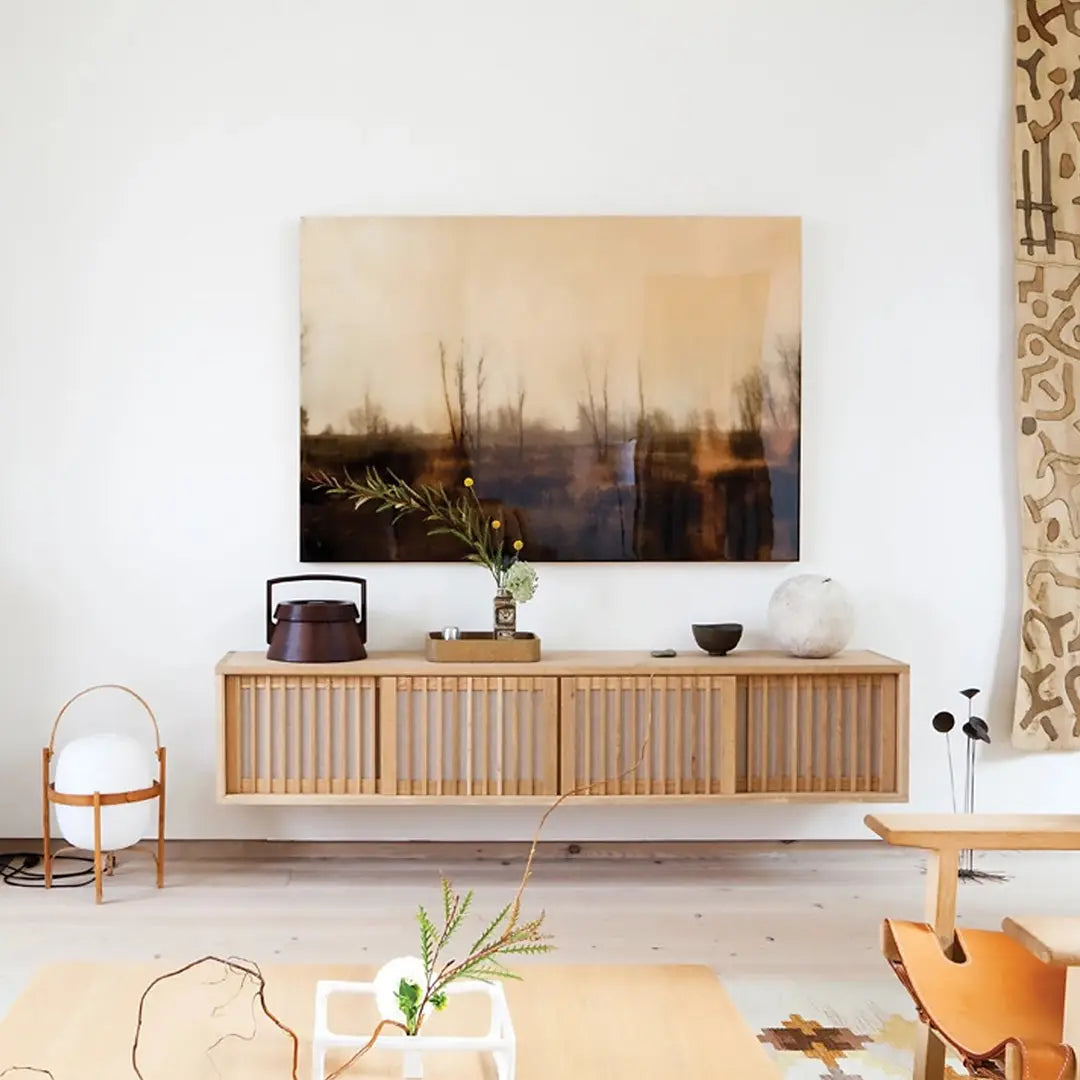
To infuse your home with Wabi-Sabi, choose natural materials such as wood, stone, and linen, and select muted, earthy tones to create a serene atmosphere. Celebrate imperfections by proudly displaying signs of wear. Handmade and artisanal objects, such as natural rugs, textiles, and ceramics, carry history and soul. By decluttering your space and keeping only the loved and essential items, you can truly appreciate the beauty of each piece.
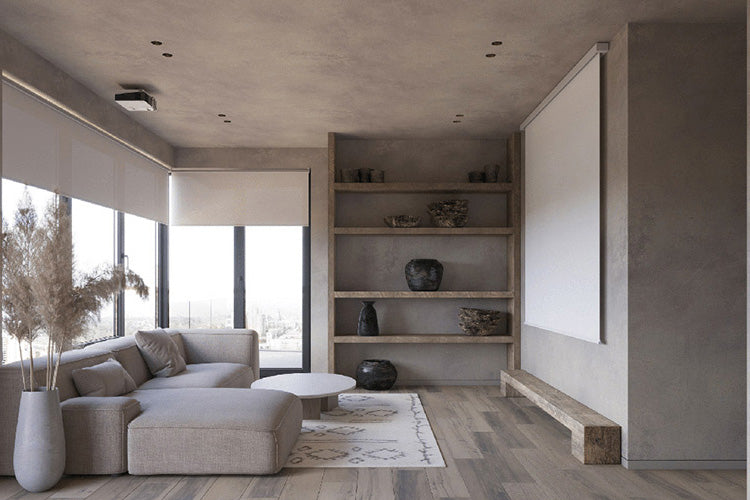
Celebrating the poetry of imperfection
Incorporating Wabi-Sabi into the design of your home not only creates a visually stunning and calming space but also promotes a more mindful and authentic way of living. By honoring imperfections, we can appreciate the poetry of life's ephemerality and the distinctive features of our homes. So, don't hesitate to immerse yourself in the world of Wabi-Sabi and witness the transformative power that comes from embracing life's beautiful imperfections.
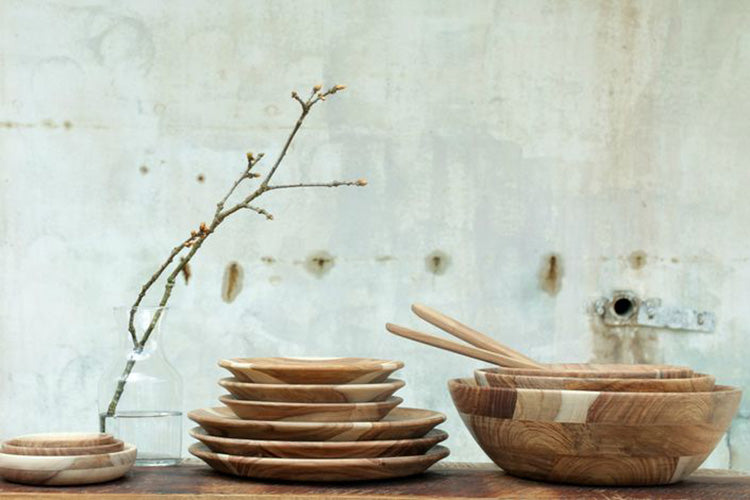
The tea ceremony: A living expression of Wabi-Sabi
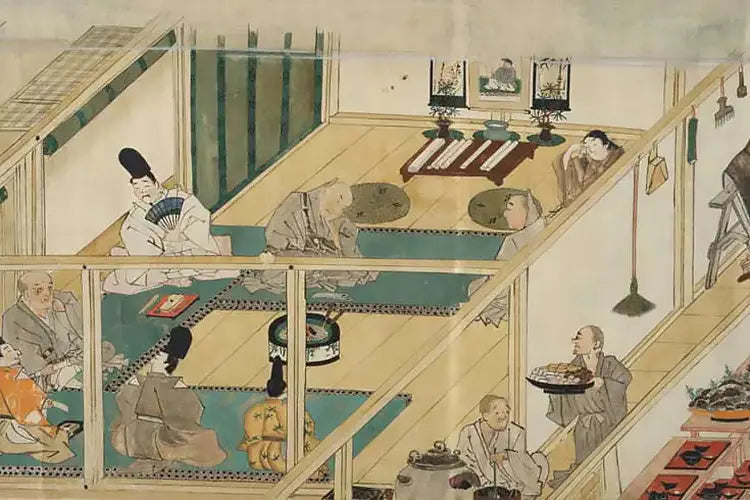
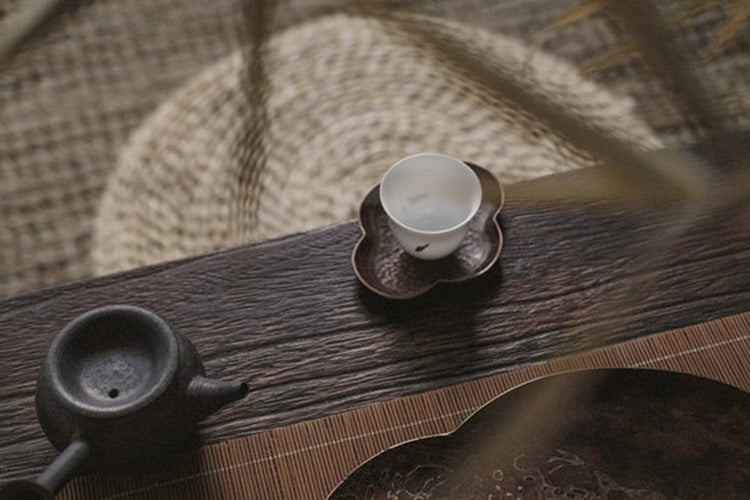
The tea ceremony, known as "Chanoyu" in Japanese, is a striking example of the integration of Wabi-Sabi into Japanese culture. The ceremony is a meditative experience aimed at creating a harmonious connection between the host, guests, and nature. The tea room, adorned with natural materials and subdued colors, illustrates the application of wabi-sabi in interior decoration.
From carefully chosen utensils to the deliberate movements of the host, every aspect of the ceremony embodies the principles of wabi-sabi. Tea bowls, often handmade and featuring irregular shapes and textures, represent the beauty of imperfection. The ceremony itself recalls the ephemeral nature of life, as the delicate foam on the surface of the tea dissolves, symbolizing the fleeting character of each moment.
What are the elements of Wabi-Sabi design?
Wabi-Sabi design elements are rooted in natural materials and the celebration of life's imperfections. To create a Wabi-Sabi interior, the following aspects must be considered:
Natural materials
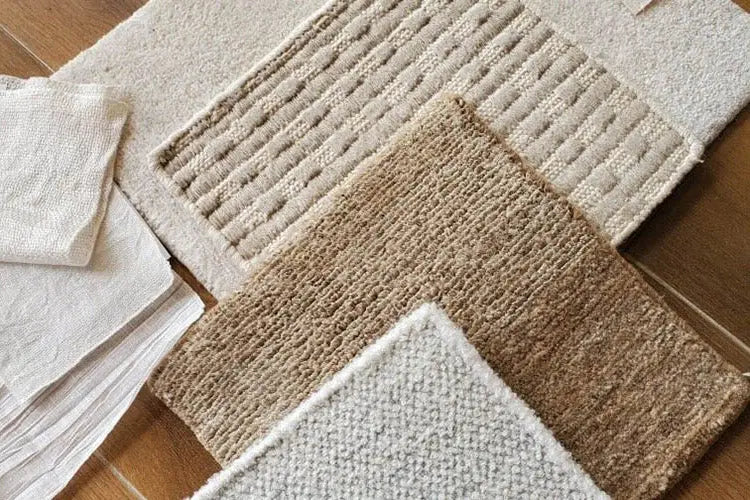
Emphasize textures found in nature, such as wood, stone, and linen. By using materials that age gracefully, you create a space that resonates with the ephemeral character of life.
Muted and earthy colors
Choose colors inspired by nature, including shades of gray, beige, brown, and green. These tones promote serenity and tranquility while connecting the space to the natural world.
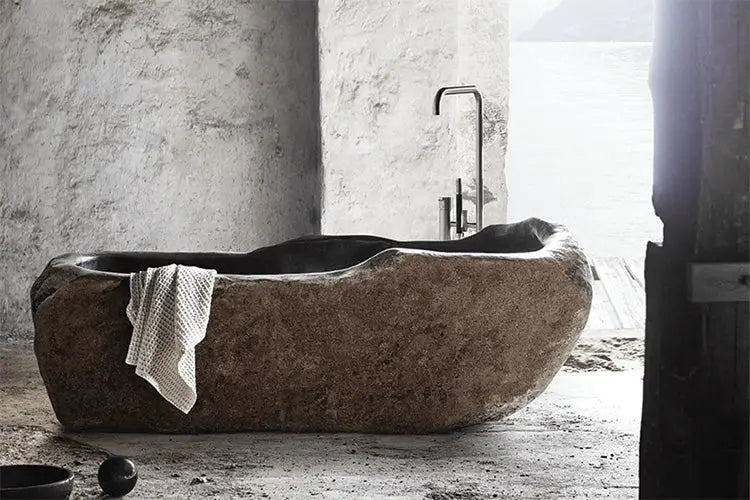
Handmade and artisanal objects
Incorporate objects with a personal touch, such as handwoven textiles or handmade ceramics. These unique pieces often feature small imperfections that reflect the human touch and make each item one of a kind.
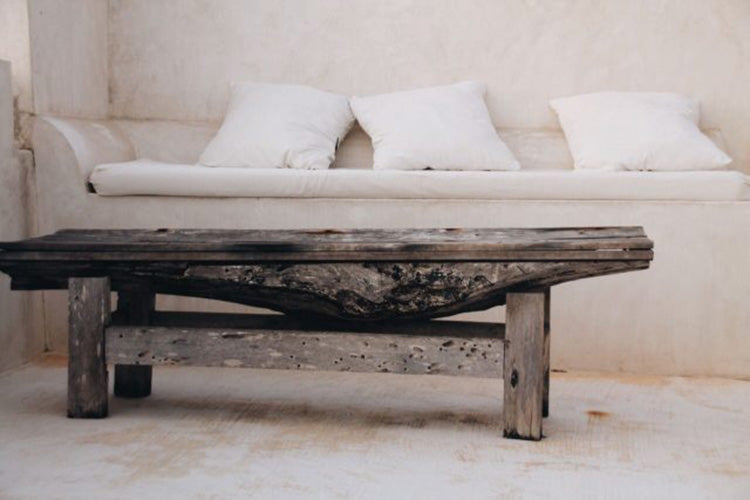
Simplicity and minimalism
Adopt a "less is more" approach by decluttering your space and keeping only meaningful and essential objects. This practice allows for greater appreciation of the remaining items.
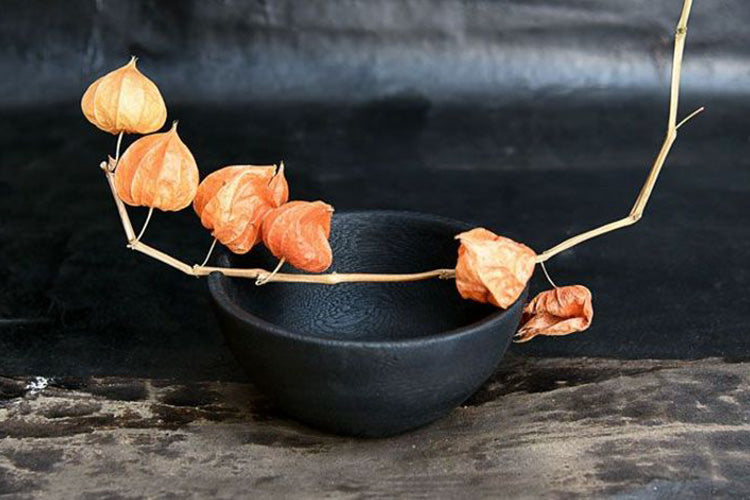
Visible signs of wear and imperfections
Accept the natural process of material aging, such as cracks, chips, or patina, as they tell a story and add depth to your space.
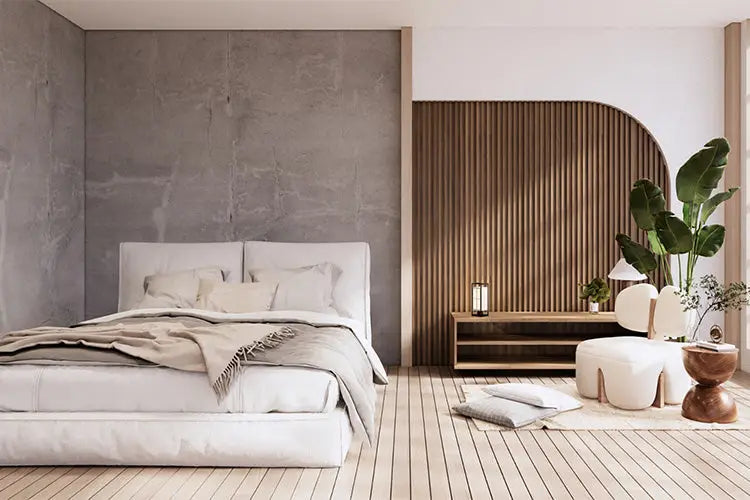
Who is the famous wabi-sabi designer?
Although there is no particular "famous" wabi-sabi designer, Leonard Koren, an American artist and writer, has greatly contributed to popularizing the wabi-sabi concept in the West. His book, "Wabi-Sabi for Artists, Designers, Poets & Philosophers," played an important role in introducing Wabi-Sabi principles to a wider audience.
Koren's work explores the history and philosophy of Wabi-Sabi, encouraging readers to consider the impermanent and imperfect nature of life. Through his writings, he has inspired countless designers and homeowners to embrace wabi-sabi principles in their living spaces, fostering a deeper connection with the natural world and a more mindful approach to design.
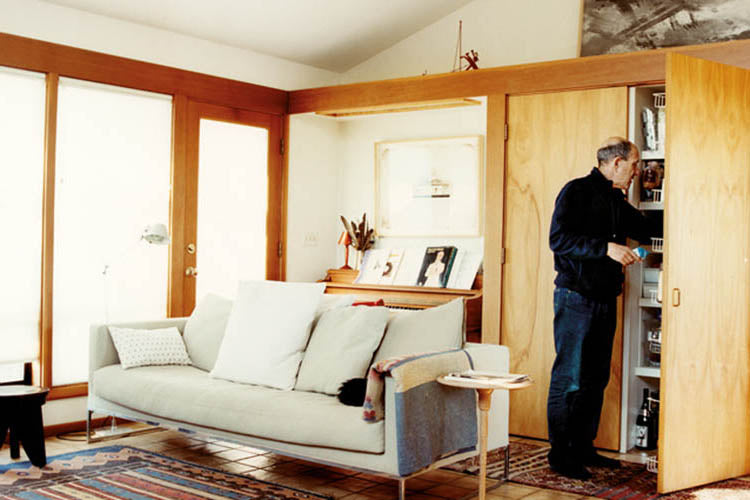
How to create a Wabi-Sabi interior?
Creating a wabi-sabi interior is a journey that encourages self-reflection, mindfulness, and connection with nature. To infuse your living space with the essence of wabi-sabi, follow these steps:
Choose natural materials and textures: Opt for materials that age gracefully and show the passage of time, such as wood, stone, and linen. For example, a dining table made from reclaimed wood embodies the Wabi-Sabi spirit by highlighting its natural imperfections and history.
Use muted and earthy colors: Choose shades inspired by the natural world, such as grays, beiges, and browns, to evoke a sense of calm and tranquility. Paint your walls in soft, neutral tones and add textured fabrics in complementary hues.
Incorporate handmade and artisanal objects: Display items with a personal touch, such as handwoven textiles or handcrafted ceramics, to celebrate their unique imperfections and the human touch behind each piece. For example, a hand-thrown ceramic vase may feature slight irregularities that tell a story and make it a unique object.
Embrace simplicity and minimalism: Adopt the 'less is more' approach by decluttering your space and keeping only useful and essential items. This practice allows for greater appreciation of the remaining objects, highlighting their beauty and utility. For example, reduce the decoration in your living room and showcase only a few carefully selected items that hold personal meaning.
Display signs of wear and imperfections: Celebrate the natural aging process of materials and objects, such as cracks, chips, or patina, as they reveal a story and add depth to your space. For example, a well-worn leather chair can evoke a sense of history and comfort, inviting relaxation and reflection.
Incorporate natural elements and organic shapes: Bring the outdoors in by adding plants, stones, or other natural elements that resonate with the Wabi-Sabi philosophy. For example, a driftwood sculpture can be a remarkable centerpiece, representing nature's resilience and transformation.
Create a connection with the passage of time: Choose objects and materials that bear the marks of time, such as aged wood or patinated metal. These objects remind us of life's impermanence and
encourage appreciating the present moment. For example, an antique mirror with a worn frame can serve as a stunning focal point, reflecting the beauty of its surroundings and the passage of time.
By incorporating these elements into your living space, you create an environment that is both visually appealing and spiritually grounded, fostering a deeper connection with the natural world and a more mindful approach to design.
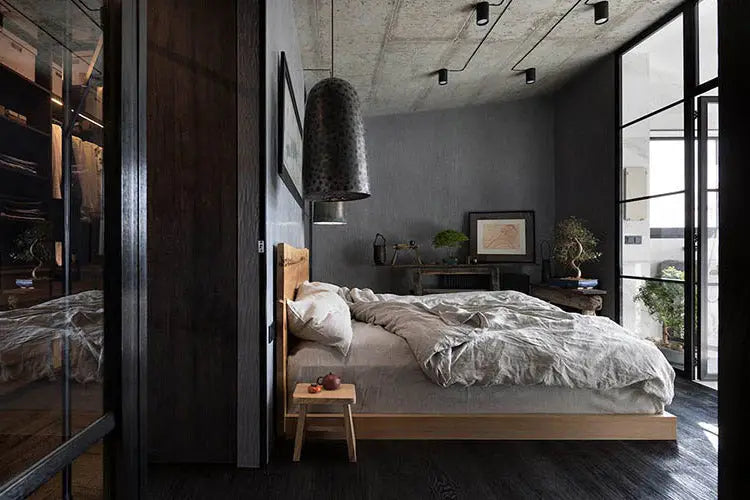
What are the 7 principles of Wabi-Sabi?
The 7 principles of Wabi-Sabi, inspired by Zen Buddhism, offer guidance for achieving harmony and balance in our living spaces and lives. These principles are as follows
- "Kanso (simplicity): Eliminate clutter and unnecessary objects to create a clean, functional, and welcoming space. A minimalist approach allows essential elements to shine."
- "Fukinsei (asymmetry or irregularity): Embrace the beauty of asymmetry, irregularity, and imperfection, as they represent the organic and natural aspects of life."
- "Shibumi (understated elegance): Cultivate an atmosphere of understated elegance, characterized by subtle and discreet beauty that inspires a feeling of calm and serenity."
- "Shizen (natural): Foster a connection with nature by incorporating natural elements, organic shapes, and materials that reflect the outside world."
- "Yugen (subtle depth): Create spaces that evoke a sense of mystery, depth, and profound connection with the universe, encouraging contemplation and self-reflection."
- "Datsuzoku (freedom from conventions): Breaking free from conventional design norms and expectations to allow a more authentic and personal expression of your living space."
- "Seijaku (tranquility): Designing spaces that promote peace, calm, and tranquility, allowing moments of reflection and introspection."
"By adopting these principles, you can create a living space that is both visually appealing and spiritually nourishing, fostering a deeper connection with the natural world and a more conscious approach to design."
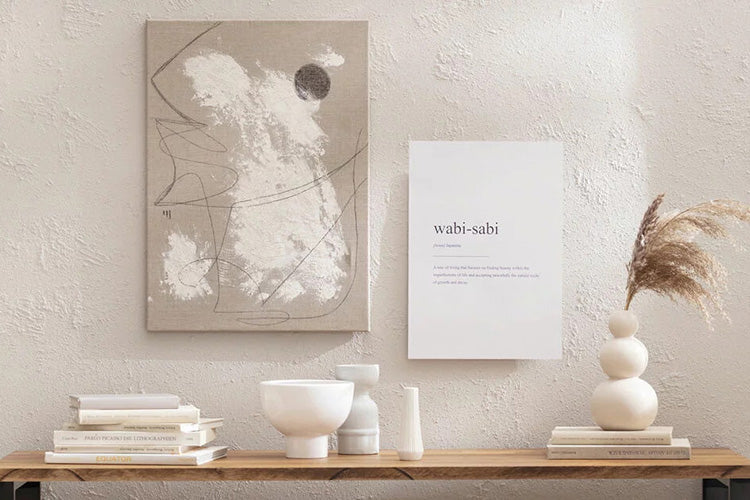
"Conclusion: The Eternal Beauty of Wabi-Sabi and the Art of Wooden Figurines"
"Wabi-Sabi is much more than just a simple design trend; it is a timeless philosophy capable of transforming our way of life. By embracing imperfection, simplicity, and the ephemeral nature of existence, we can find harmony in the imperfect and appreciate the beauty of every moment. Whether through the tea ceremony or modern interior decoration, the eternal journey of Wabi-Sabi continues to inspire us, offering a deep connection with the natural world and a more mindful approach to life."
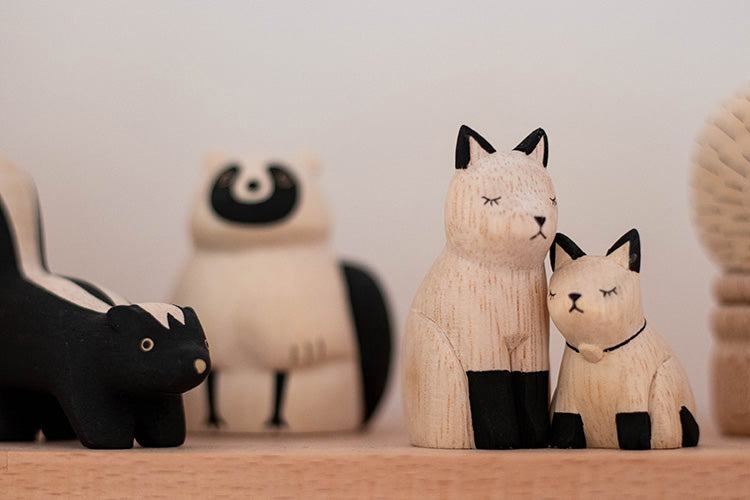
"If you wish to integrate the spirit of Wabi-Sabi into your daily life, we invite you to discover our charming T-Lab wooden figurines on "https://www.polepole-animals.eu/". These adorable handcrafted creations, made from natural materials, perfectly embody the philosophy of Wabi-Sabi and will bring a touch of authenticity and serenity to your interior. Let yourself be captivated by the eternal beauty of Wabi-Sabi and explore our selection of wooden figurines to enrich your living space."

Leave a comment
All comments are moderated before being published.
This site is protected by hCaptcha and the hCaptcha Privacy Policy and Terms of Service apply.