




Here’s how Japandi design can bring
comfort and simplicity for your home
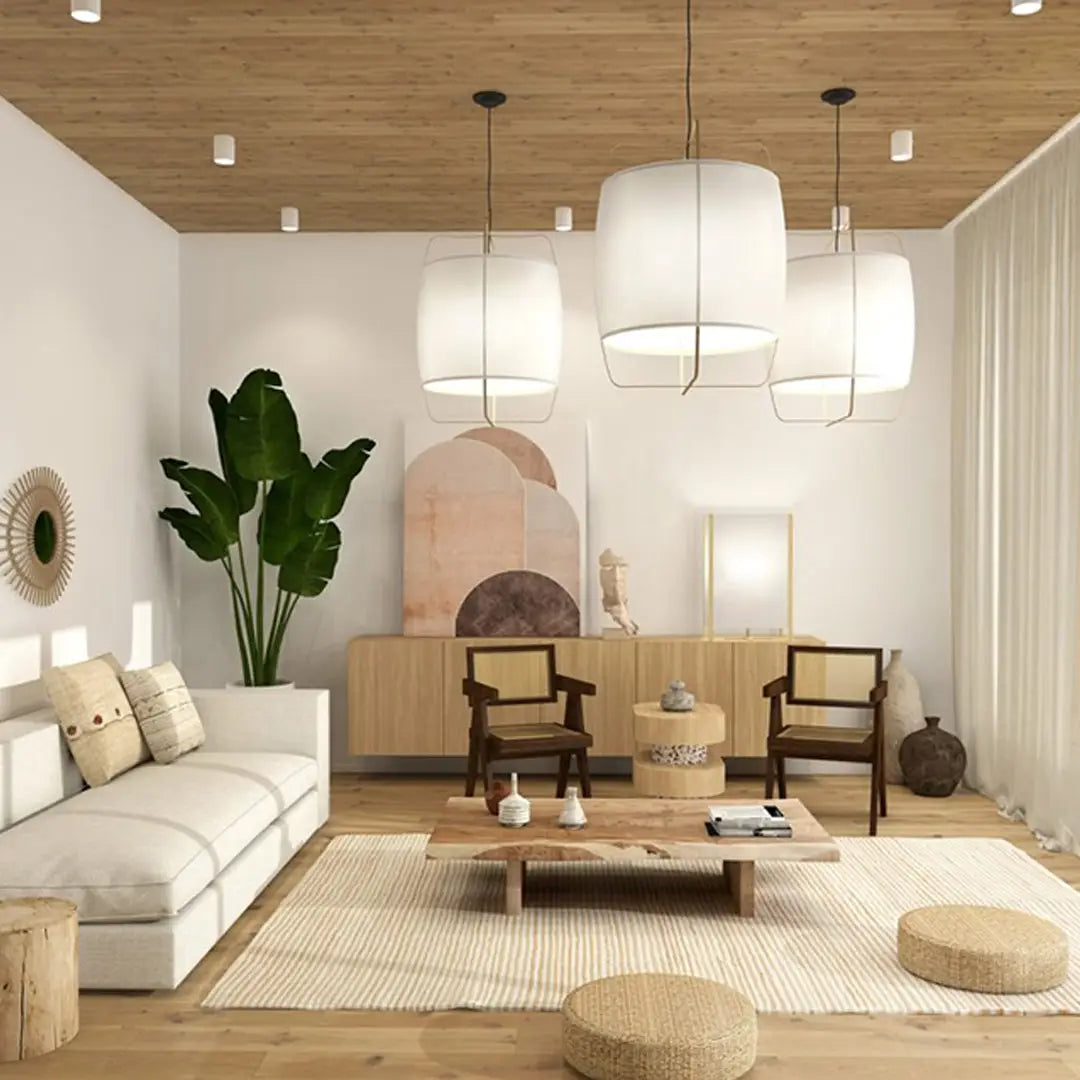
You might also think there is no common ground between Japan and Scandinavia, but in terms of interior decoration and design they are much more similar than you would have imagined. You are probably already familiar with hygge and wabi-sabi, but have you heard of this new trend that has taken over the web? Here we will decode this trend that is driving Pinterest and Instagram crazy. I strongly recommend reading this article if you too are tired of the Scandinavian trend that has filled decor stores and our social networks for many years. Want peace and serenity? After reading this article, it’s certain you will adopt this new style with the strange name.
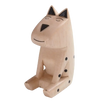
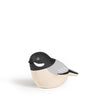
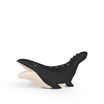
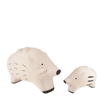
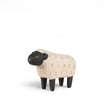
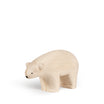
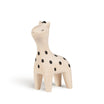
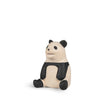
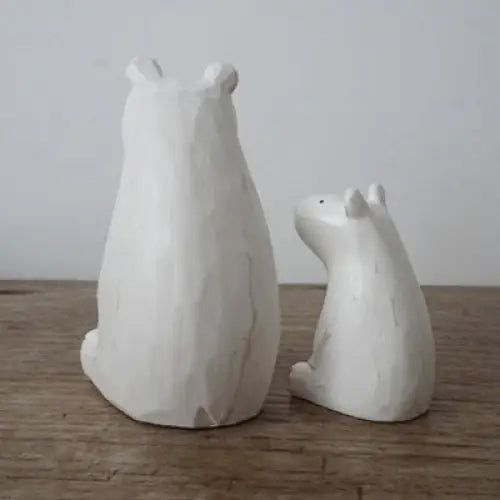
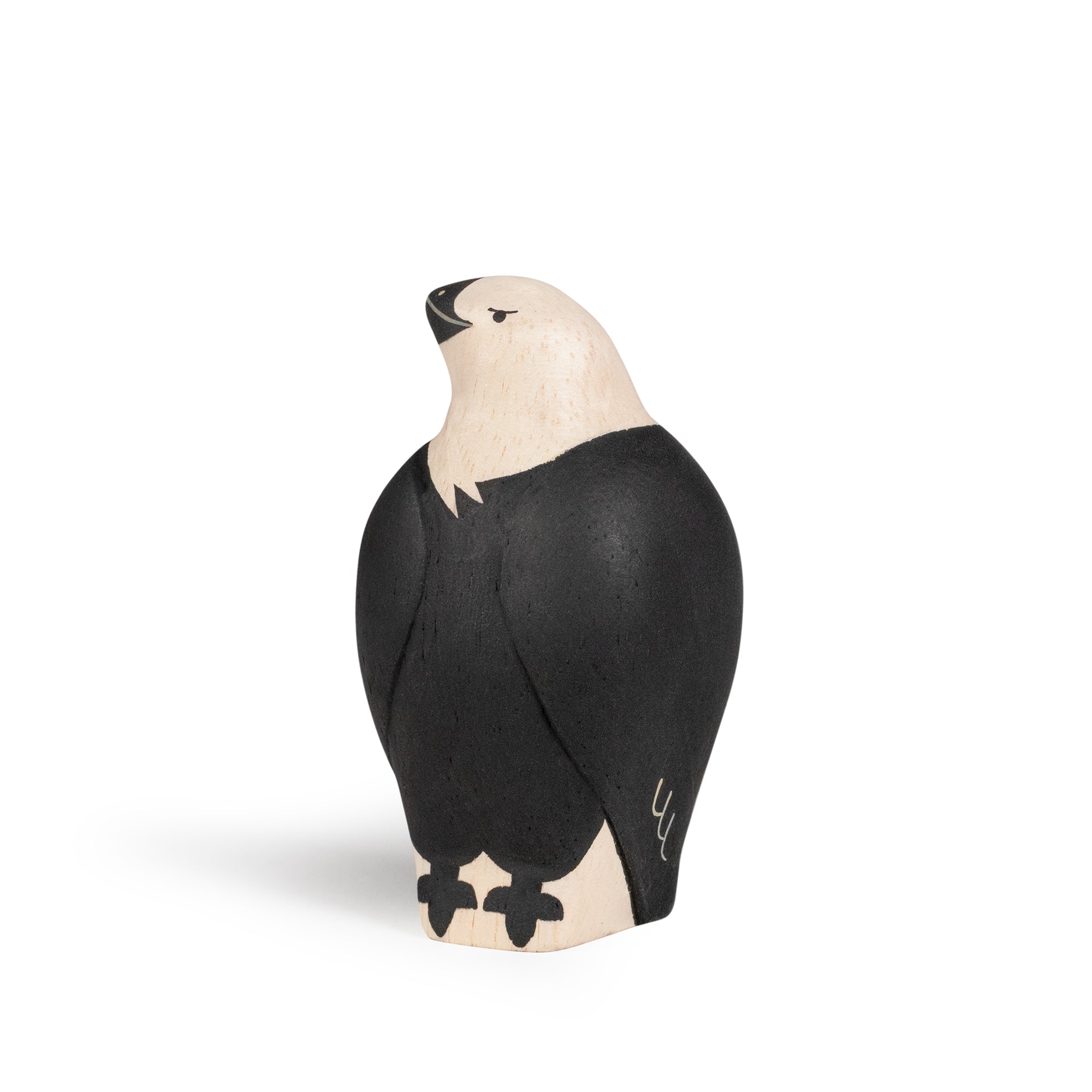
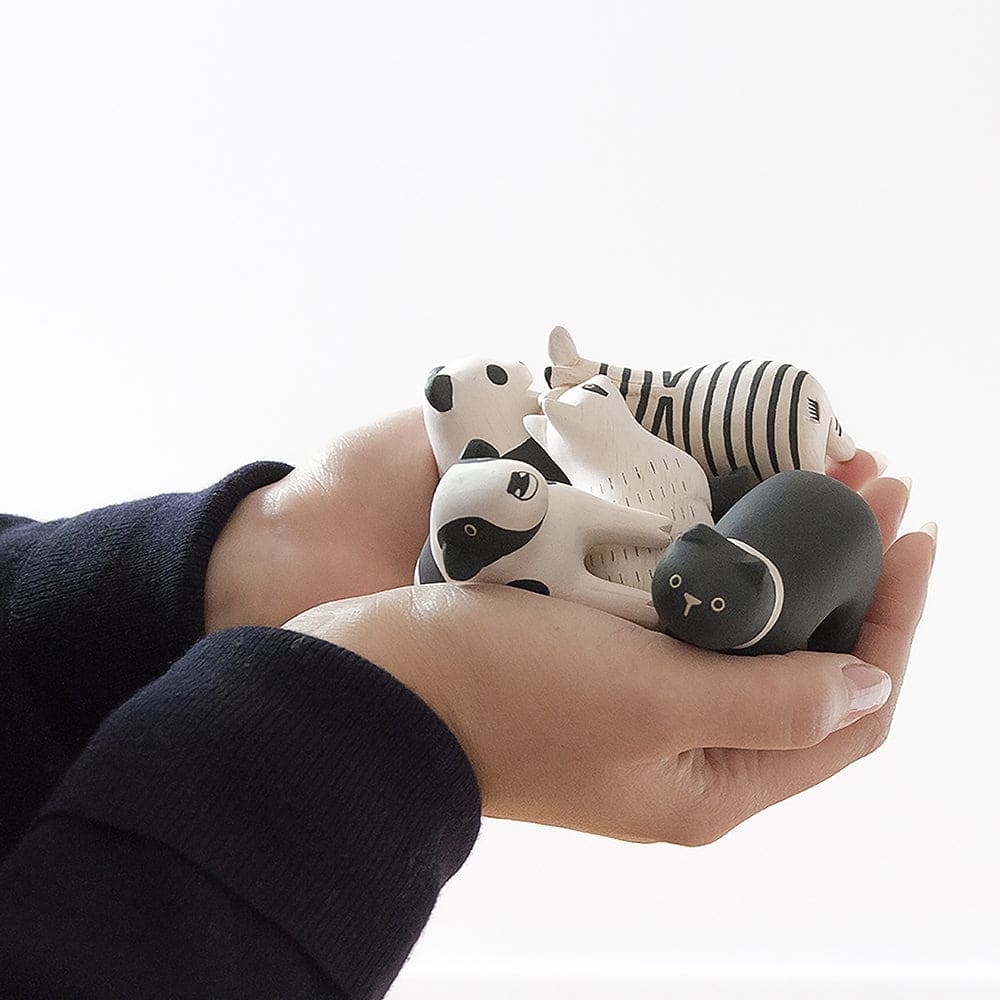
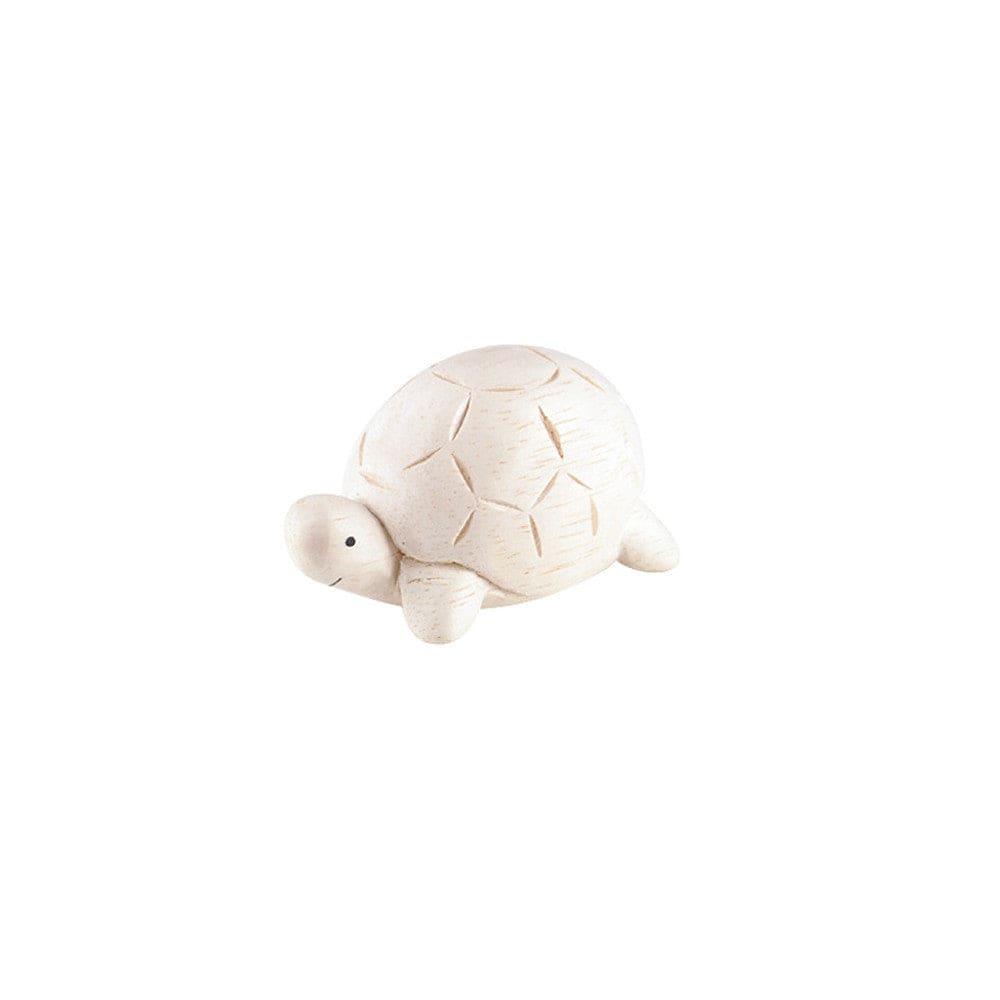
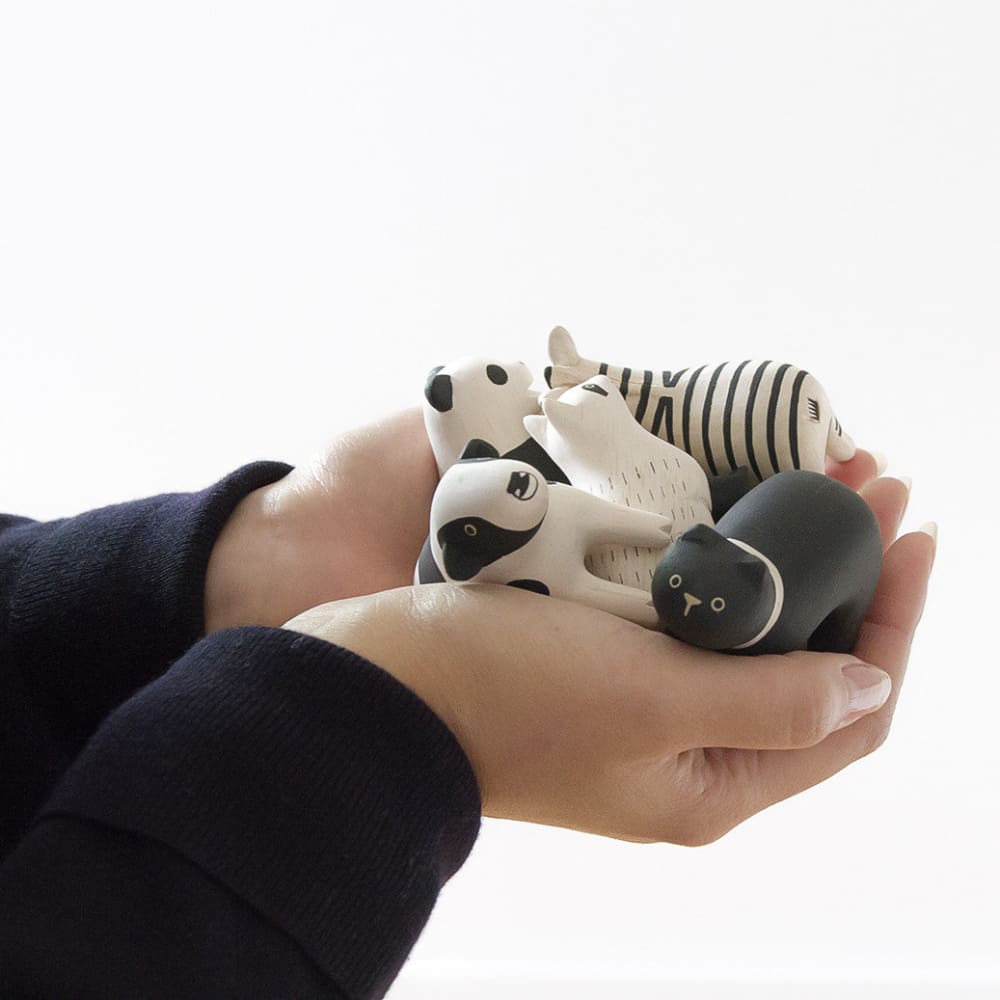
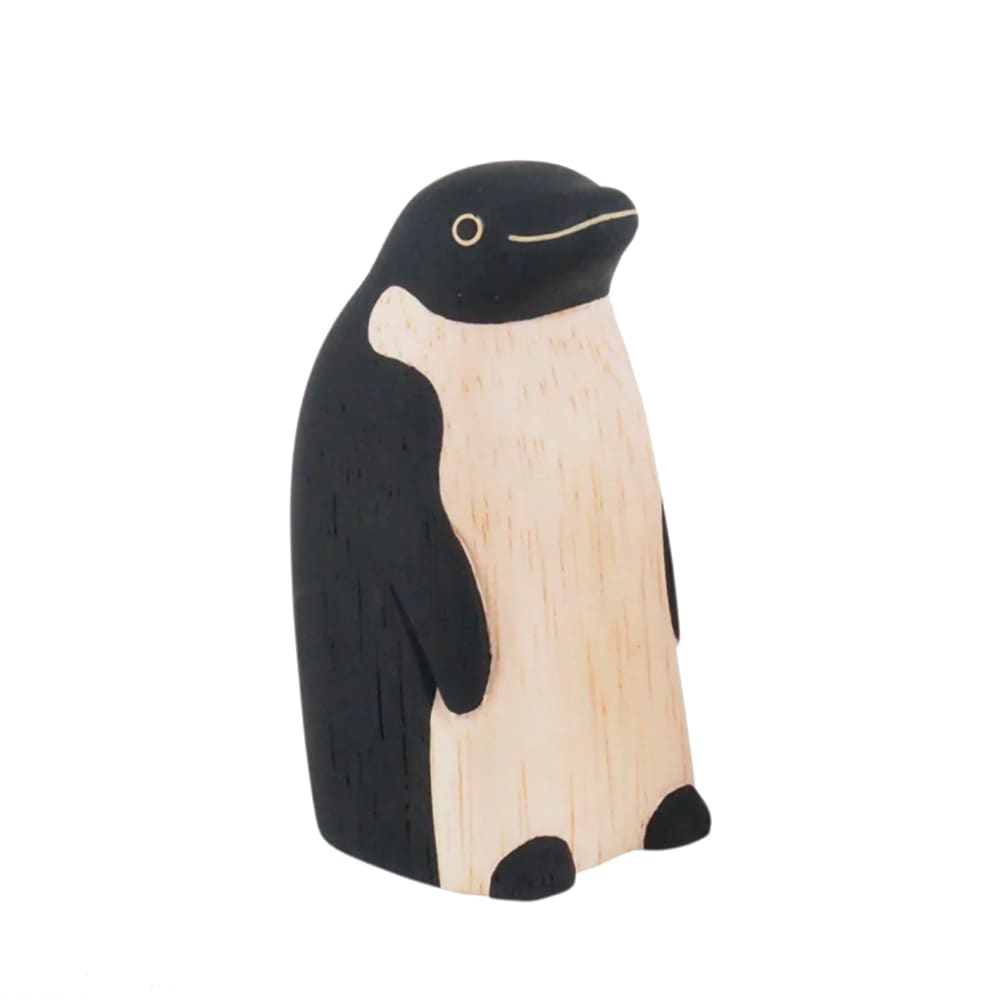
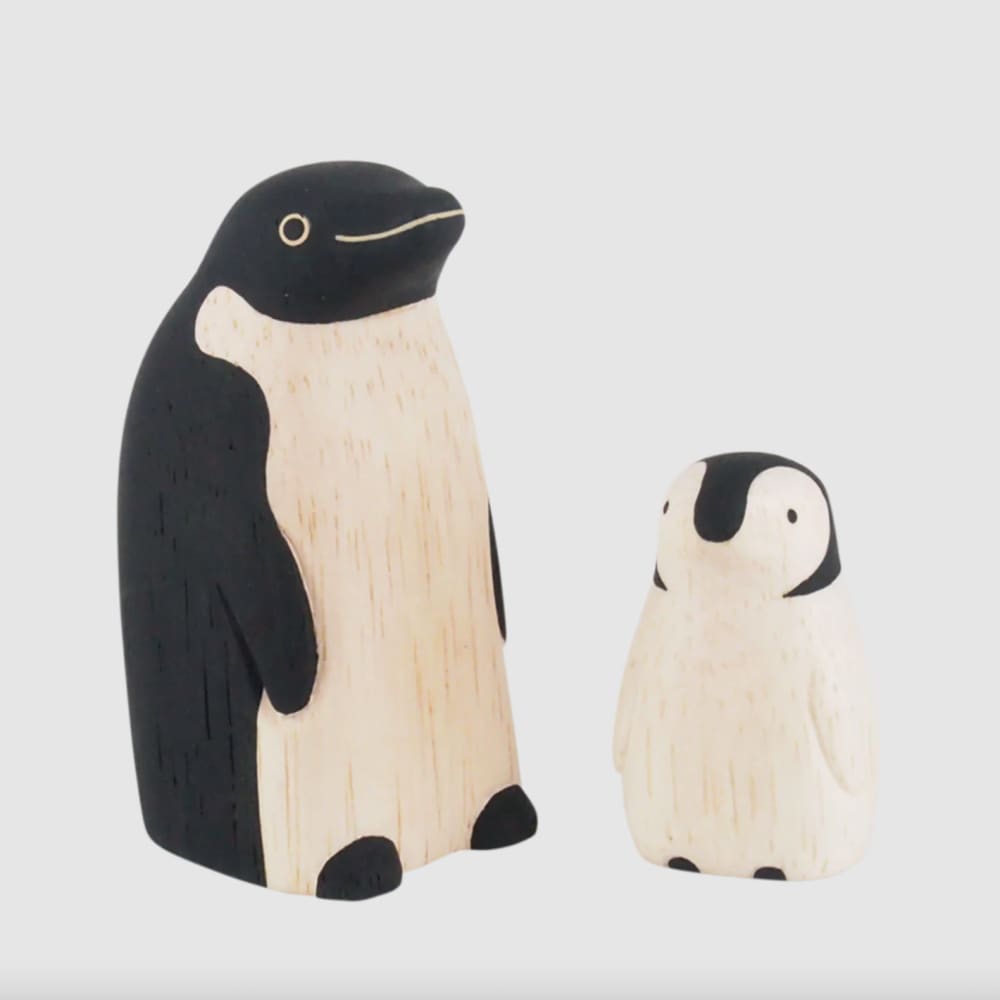
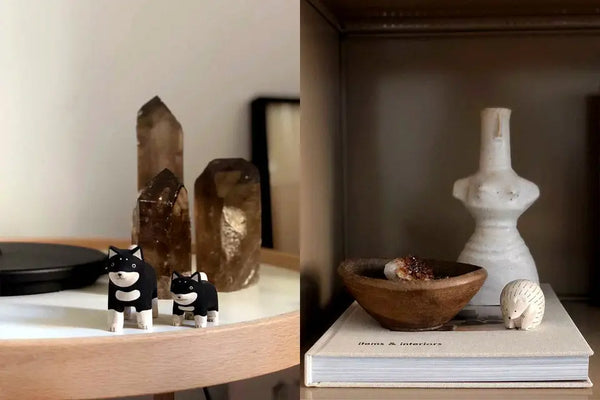
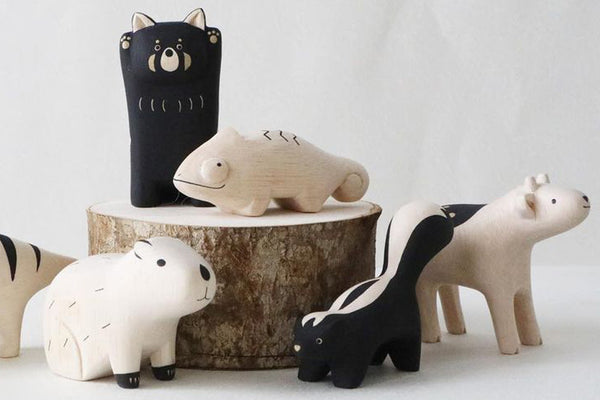
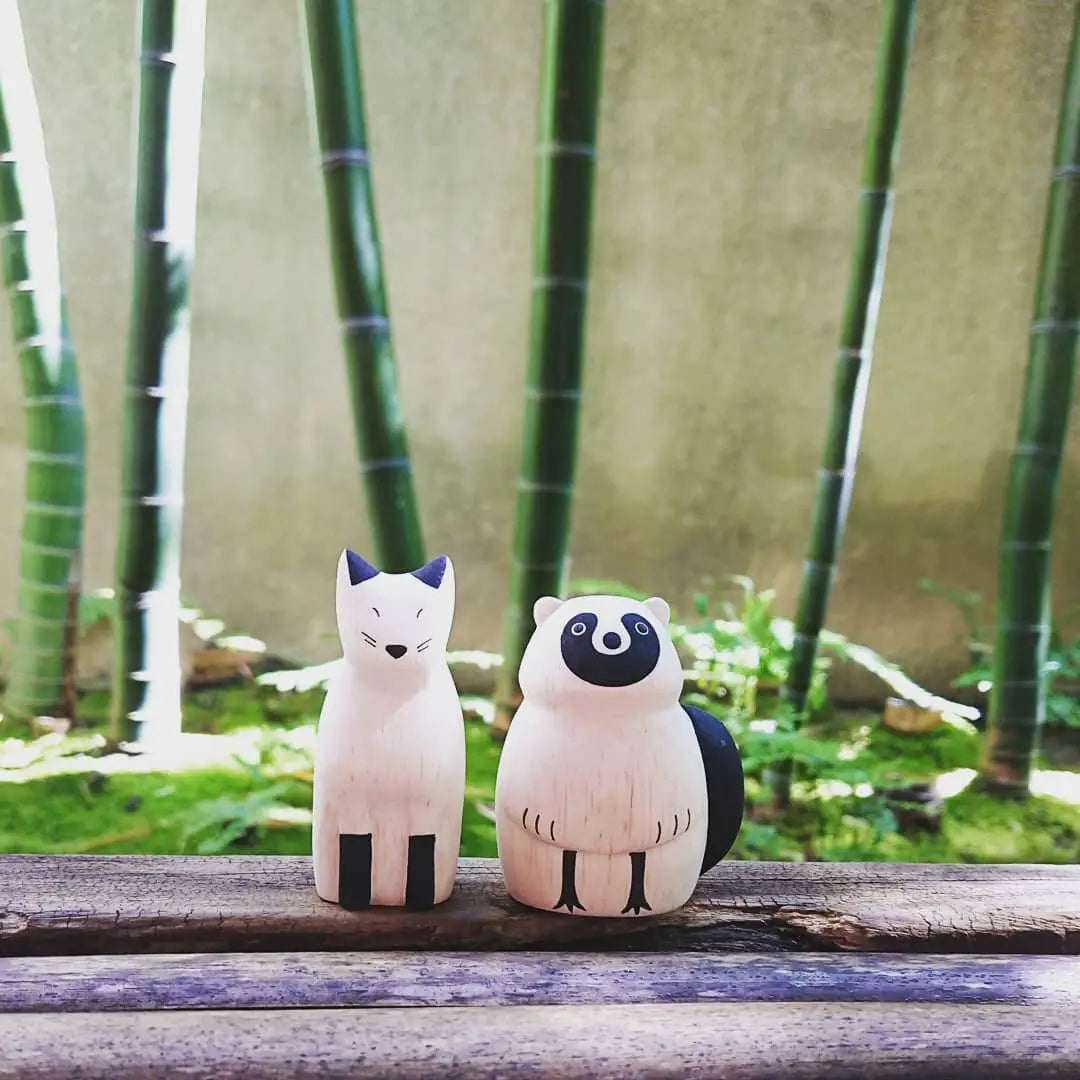
Our small wooden animal figurines particularly enjoy Japandi interiors.
Produits

What is Japandi design?
The Japandi is an interior decoration style that comes from a magical marriage bringing together the best of both sides of the globe, between the Scandinavian and Japanese styles. The fusion is calming, with a shared interest in minimalism, simplicity, and nature. The Scandinavian style brings to Japandi its simplicity through an assumed and refined comfort and the functionality of Scandinavian design. The Japanese style brings, for its part, its taste for minimalism, calm, and elegance.
These two styles are simply made to go together, they create a feeling of art, nature, and simplicity.
This fusion creates the perfect blend of function and form, focusing on clean lines, bright spaces, and light colors.
What are the common points between Japanese and Scandinavian design?
The first time I discovered the Japandi style, I thought, of course, these two styles overlapped in many ways!
Already, any decor trend enthusiasts will have undoubtedly noticed, the aesthetic of each of these two currents is centered on an idea of simplicity, with a focus on natural elements and comfort. It is thanks to these similarities that more and more interior architects and designers combine these two styles into a single ensemble. By the way, this is what gave birth to this new style.
How do Japanese and Scandinavian styles work together?
If you are familiar with Scandinavian design, you have surely encountered the notion of "Hygge". It is the Scandinavian concept of coziness and homeyness in design, and has gained growing popularity in the United States over recent years. Basically, your home should be your sanctuary and give you a feeling of comfort every time you step through the front door. Combine this idea with the Japanese notion of "wabi-sabi," or the idea that there is beauty in imperfection, and you get the design marriage that is Japandi. The Japanese and Scandinavian design styles work so well together because they are both rooted in minimalism and comfort. The shared aesthetic of the two combines to create a style that is both easy to live with and sophisticated.
They are characterized by a minimalism and aesthetic simplicity. They emphasize functionality and optimal use of space, with furniture designed to be stored and hidden when not in use. Both styles also place great importance on natural materials, such as wood and bamboo, which bring a touch of warmth and comfort to the interior. They also favor neutral colors, such as white, gray, and beige, which are meant to promote relaxation and calm.
And where the two approaches diverge, their differences actually complement each other. While Japanese interiors are clean and minimal, Nordic interiors are rustic. The richer (yet still neutral) colors of Japanese design prevent the austere and crisp palettes of Scandinavian homes from feeling cold. In short, Japanese design and Scandinavian design share many similarities, especially regarding their minimalist and clean aesthetics, use of natural materials, and preference for neutral colors. These similarities are reflected in the Japandi style, which combines the best of both styles to create a soothing and harmonious environment.
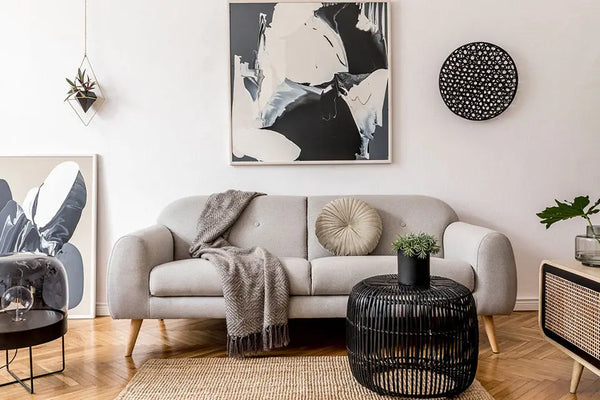
What are the elements that characterize Japandi?
The key elements of Japandi:
- Clean lines.
- Functional and minimal furniture.
- Clutter-free space.
- Natural materials.
- Combination of contrasting colors like pearl gray, sky blue, natural wood in dark and light shades, a touch of black, pale pink, and white.
- Functional accessories.
Materials of a Japandi interior
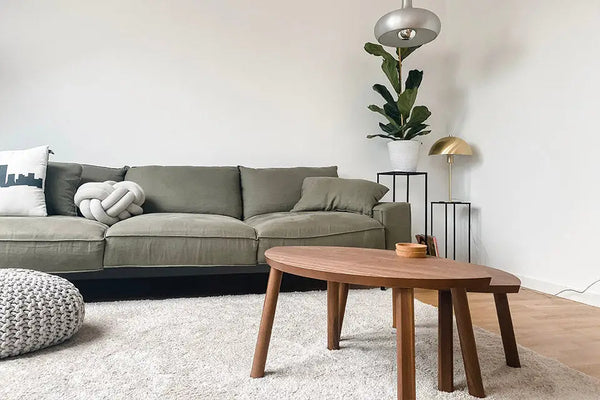
Expect to find a plethora of natural materials, muted colors, clean lines, and minimal but well-chosen furniture. Japandi design is not stripped down; it is intentional.
The importance of craftsmanship
Craftsmanship plays an important role in Japandi style, as it brings a touch of authenticity and culture to the interior. Japandi design is influenced by Japanese artisanal traditions, such as tatami, shojis, and futons, which add character and history to the interior. By using these artisanal elements in Japandi design, one can create an authentic and cultural interior while respecting the principles of minimalism and functionality inherent to this style. Japanese craftsmanship also adds originality and uniqueness to the interior, allowing one to stand out and create a unique and personal environment.
Japanese design, being focused on craftsmanship, is not meant to be disposable. Look for pieces that will stand the test of time and blend into your decor for years to come. It is a clear antidote to the throwaway culture we've embraced for so long. Instead, favor durable and planet-friendly objects. If you're interested in Japanese craftsmanship, we have a dedicated article on this art.
Discover the superb selection of Set de table Boutique to decorate your table and kitchen aiming for https://set-de-table-boutique.com/
Sustainability
Moreover, Japandi styles often emphasize sustainability. The predominance of natural materials and simple designs makes it an excellent eco-friendly decoration style. As more and more consumers seek an ecological aesthetic, the popularity of the Japandi style is no surprise.
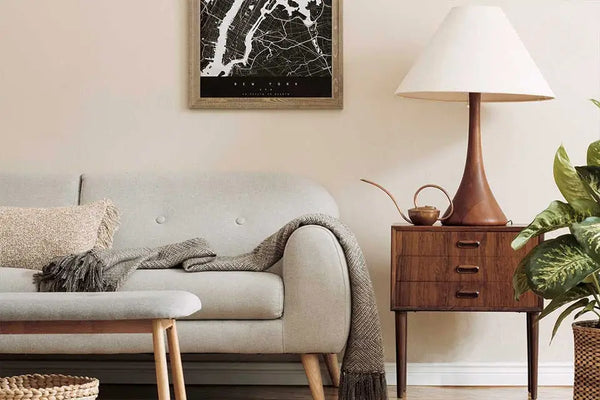
Colors
You will also see many neutral colors and paint choices to complement Japanese furniture and accessories. Calm, quiet, and peaceful palettes are generally chosen, and when brighter colors are incorporated, they are done so meaningfully and subtly. The primary color is considered white, diluted with warm hues. The love for deep and rich colors characterizes classic Japanese tones, but cold: sea wave, turquoise, indigo. Their combination in the Japanese style has given rise to a passion for complex colors: muted, dirty, but warm.
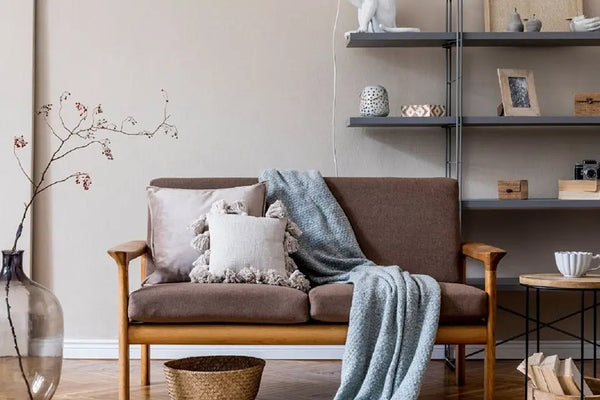
The base of the palette is considered neutral: gray, beige, brown, although white is still found in the "transitional" stages. Additionally, they use cool tones of blue, green, pink. An important nuance of Japanese-style interior decoration is the creation of contrasts. Light walls + dark floor, dark walls + light furniture, light background + black accents.
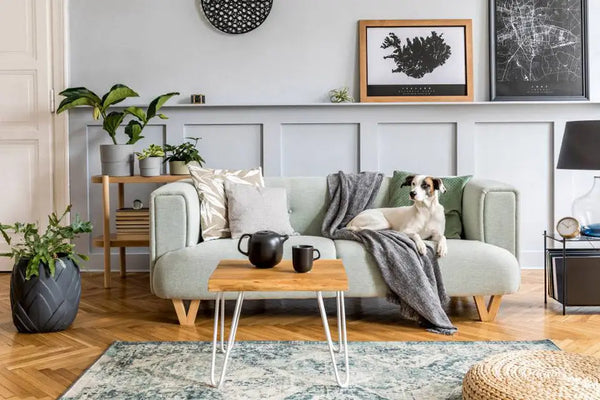
Minimalism rhymes with Japandi
Let's forget useless objects that don't bring us value, they are superfluous and clutter our field of vision, preventing us from focusing on the essential. These two movements share this common point that is the strength of the Japandi decoration style: minimalism. However, minimalism does not mean throwing away all those knickknacks and living in empty rooms! The goal is to create an environment where you feel good. Spaces that inspire calm and serenity.
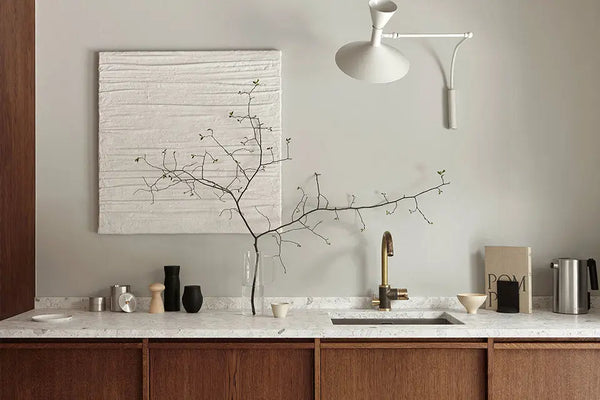
How can I decorate in the Japanese style?
If you are a fan of minimalism and "Hygge," chances are you have already started experimenting with the Japandi style. To really play with this look, focus on natural materials like unfinished woods or bamboo pieces that bring a feeling of nature and simplistic beauty. Use muted colors with touches of pale green or introduce plants and greenery into your home to give it an outdoor living impression.
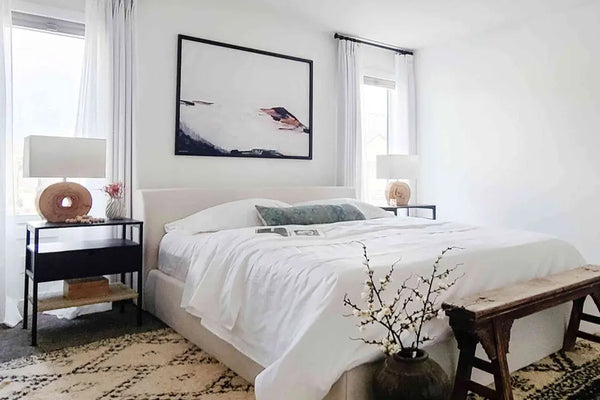
Reducing clutter is also essential to achieving the Japandi style. This aesthetic emphasizes clean lines and open spaces. But if you have an active household and struggle to find this minimalist look, we recommend trying "fake minimalism" with natural containers such as boxes and baskets, built-ins, or screens to hide superfluous items and keep your space clutter-free. To get the best of both worlds, draw inspiration from the comfort of Scandinavian design with warm textures and soft pieces while maintaining the elegance of Japanese decor. Although both styles emphasize utility, it is important to maintain a sense of zen calm in your space. While Japanese and Scandinavian decor are not new, the combination of the two will certainly be a growing trend in the coming years.
If you have made it this far, it means you are also a fan of design and beautiful spaces. We highly recommend you take a look at our friends at homelisty to see more about interior design. Our Pole Pole wooden figurine collection was created in Japan and is the perfect synthesis of Japandi style. Durable, ecological, and artisanal, they will bring calm to your home.


Leave a comment
All comments are moderated before being published.
This site is protected by hCaptcha and the hCaptcha Privacy Policy and Terms of Service apply.